
Blog
 01/02/2026
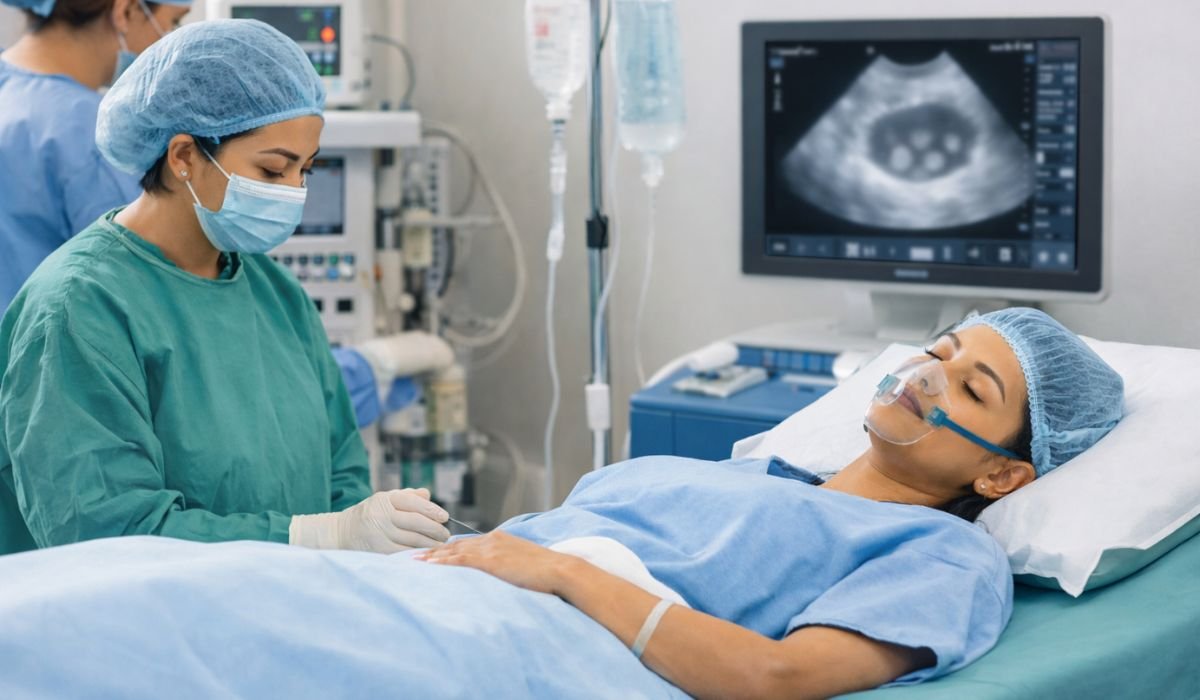
It is completely normal to feel nervous or fearful about the egg retrieval procedure. As you prepare for this pivotal step in your IVF journey, you deserve a clear, honest explanation of what to expect. The short, direct answer to your question is this: during the procedure itself, you will be under sedation and should not feel pain. Afterward, it is common and expected to experience a period of discomfort, typically described as mild to moderate cramping and bloating. This guide will walk you through every aspect—from the procedure room to recovery at home—with medical accuracy and a calm perspective, so you can replace fear with understanding.
Egg retrieval, medically known as oocyte retrieval, is a minor surgical procedure. It is the process of collecting the mature eggs that have developed in your ovaries after a cycle of fertility medication (ovarian stimulation). It’s a cornerstone of the IVF process, as these eggs are then fertilized with sperm in the laboratory to create embryos.
In a natural cycle, typically only one egg matures and is released. For IVF, we aim to retrieve multiple eggs to increase the chances of creating viable embryos. The retrieval is the only way to collect these eggs for the crucial next steps of fertilization and embryo development in the lab.
The procedure is performed transvaginally. Under ultrasound guidance, a thin needle is passed through the vaginal wall to reach each ovary. The follicular fluid containing the egg is gently aspirated from each mature follicle. The entire process is done with precision and care, usually taking between 15 to 30 minutes. You will be in a procedure room, not a major operating theatre, and will go home the same day.
This is the core of your concern. Let’s break it down into two distinct phases: during the procedure and after the procedure. The experience of each phase is different, largely due to the medications used.
You will not be awake or aware during the egg retrieval. In most IVF clinics across India, the procedure is performed under conscious sedation or short-duration general anesthesia. This is administered by an experienced anesthetist. You will be in a deep, comfortable sleep, unaware of the procedure, and will not feel any pain. It is not the same as local anesthesia; you are fully sedated.
Patients often wake up surprised that the procedure is already over. The most common recollection is the feeling of falling asleep and then waking up in the recovery area. Any sensation of pain during the retrieval itself is virtually eliminated by the anesthesia.
This is where realistic expectations are most important. As the sedation wears off, you will become aware of sensations in your pelvic region. This is a normal part of the healing process.
Cramping: Similar to menstrual cramps, often a dull, persistent ache.
Bloating and Fullness: A sense of abdominal pressure or tightness.
Vaginal Discharge: A small amount of spotting or discharge is common for a day or two.
Fatigue: Feeling tired from the medication and the procedure itself.
The cramping occurs because your ovaries have been stimulated and are temporarily larger than usual. The needle passes through the vaginal wall to reach them, which can cause mild irritation. The bloating is due to the residual fluid in the follicles and a temporary response of the ovaries. Your body is processing the effects of the stimulation cycle.
For most women, the most noticeable discomfort peaks within the first 24 hours and subsides significantly over the next 2-3 days. It is common to feel well enough for light, routine activities the next day, though we recommend taking it easy.
Normal discomfort is manageable. It is typically around 3 to 5 on a scale of 1 to 10 for pain, though individual experiences and pain thresholds may vary. It is usually relieved by:
Over-the-counter pain relief (as prescribed by your doctor).
Rest.
A heating pad on low setting on your abdomen.
Drinking electrolyte-rich fluids and eating light, easy-to-digest meals.
You should contact your clinic immediately if you experience:
Severe or worsening pain not relieved by prescribed medication.
Heavy vaginal bleeding (soaking more than one pad per hour).
Fever or chills (signs of infection).
Severe dizziness, fainting, or shortness of breath.
Severe nausea/vomiting or an inability to keep fluids down.
Sudden, severe abdominal swelling or bloating.
While serious complications are uncommon, it is responsible to be informed. The most significant risk related to discomfort is Ovarian Hyperstimulation Syndrome (OHSS).
OHSS is an exaggerated response to fertility medications. It causes fluid to leak into the abdomen, leading to increased ovarian size, significant bloating, and discomfort. Modern IVF protocols, careful monitoring, and medication adjustments have made severe OHSS rare. Your medical team monitors you closely during stimulation to minimize this risk.
The symptoms listed in the “When Pain Is NOT Normal” section are your key warning signs. Do not hesitate to call your clinic if you experience any of them. It is always better to be cautious.
Many patients find it helpful to frame the experience in context. The table below provides a simple comparison.
| Experience | Typical Pain/Discomfort Level | Key Differences |
|---|---|---|
| Egg Retrieval (after effects) | Mild to Moderate Cramping | More focused on bloating and abdominal fullness due to enlarged ovaries. Shorter duration of peak pain (1-3 days). |
| Moderate Period Pain | Mild to Moderate Cramping | Pain is uterine in origin, often with bleeding. Can last 2-5 days. |
| IUD Insertion | Brief, Sharp Pain | Very short, intense cramp during insertion, often followed by hours of milder cramps. |
| Dental Filling (with local anesthesia) | Pressure, No Pain | Discomfort is during the injection, not the procedure itself, similar to sedation for retrieval. |
| Transvaginal Ultrasound Scan | Pressure, Minimal Discomfort | The physical sensation of pressure is similar, but retrieval is done under sedation so you don’t feel it. |
You will spend 1-2 hours in recovery where nurses monitor you as the sedation wears off. You may feel groggy. You must have someone drive you home. Rest for the remainder of the day.
This is when discomfort is often most noticeable. Plan for complete rest. Use prescribed pain relief as needed. Continue drinking plenty of fluids (water, electrolytes) and eat light, bland foods. Avoid any strenuous activity.
Most women see a dramatic improvement. Cramping should significantly lessen. You can gradually resume most normal, non-strenuous activities. Avoid heavy exercise, swimming, or sexual intercourse until your doctor gives the all-clear, typically after your next period.
This is a critical myth to bust: No, the discomfort you feel after egg retrieval does not impact the success of your IVF cycle.
The mild inflammation and cramping are superficial bodily responses to the procedure. They do not affect the quality of the eggs that were retrieved, the fertilization process happening in the lab, or the potential of the embryos created. Your embryo transfer success depends on factors like embryo quality and uterine receptivity, not on your post-retrieval recovery symptoms.
Feeling anxious before egg retrieval is common and understandable. The fear of the unknown and the high stakes of IVF can be significant sources of stress. Clear information about the process and open communication with your medical team can significantly reduce this anxiety. Remember, your clinical team is there to answer your questions and support you through this medical step.
1. Will I be completely unconscious during egg retrieval?
You will be under sedation, which is a very deep sleep. You will not be conscious, aware, or feel the procedure. It is not always full general anesthesia, but it ensures you feel no pain.
2. How many days should I take off work after retrieval?
Plan for at least 1-2 full days off. Most women feel ready for desk work or light duties within 2-3 days, but listen to your body and rest if needed.
3. Can I take regular painkillers for the cramping?
Only take pain medication prescribed or approved by your IVF clinic. They will recommend options safe for your post-procedure status and any potential next steps.
4. Is severe pain a sign of more eggs retrieved?
No. Discomfort levels are not reliably linked to the number of eggs. Some women with many eggs have mild symptoms, and others with fewer may feel more discomfort due to individual pain thresholds.
5. Should I be on complete bed rest after retrieval?
No. Light movement like short walks is encouraged to aid circulation and prevent complications like blood clots. However, strenuous activity and heavy lifting must be avoided.
6. Why am I so bloated, and when will it go down?
Initial bloating is common in the first 24 hours. In some women, especially those who produced many follicles, abdominal fullness may increase and peak 3-5 days after retrieval before gradually subsiding over the next week.
7. What can I do at home to relieve the discomfort?
Use a heating pad on low, drink electrolyte-rich fluids, eat small protein-rich meals, rest, and wear loose, comfortable clothing.
8. If I have a high pain tolerance, can I skip the sedation?
This is strongly discouraged. Sedation is for pain management and, crucially, to prevent any sudden movement during the precise procedure, ensuring your safety and the success of the retrieval.
9. Is egg retrieval more painful the first time?
The physical sensation is generally similar. However, the significant reduction in fear and anxiety for subsequent procedures often makes the overall experience feel easier for many women.
Entering the egg retrieval procedure with clear, realistic expectations is your strongest asset. Expect to feel no pain during the procedure itself, thanks to modern sedation. Expect to manage a period of recovery afterward with cramping and bloating that, for the vast majority, is a manageable discomfort, not suffering. Expect your medical team to prioritize your comfort and safety at every step.
The journey of IVF asks for resilience, but it should not be a test of enduring unnecessary pain. By understanding what is normal and what is not, you empower yourself to move forward with confidence, trusting in the science of the process and the care designed to support you through it.


Ph: +91-562-260-0537, +91-7060301888
Address: Rainbow IVF 4th Floor, Ujala Cygnus Rainbow Hospital, NH-19, Near Guru ka Taal, Gurudwara, Sikandra, Agra, Uttar Pradesh 282007


