
Blog
 26/03/2026
Introduction
Infertility is a growing health concern in India. Medical studies suggest that nearly 10 to 15 percent of married couples face difficulty conceiving naturally. This number has been rising steadily over the past decade due to factors such as delayed marriage, lifestyle changes, environmental influences, and increased medical awareness.
In vitro fertilization, commonly known as IVF, has become a widely accepted treatment option for couples struggling with infertility. What was once considered a last-resort procedure is now a mainstream medical solution. More Indian couples are opting for IVF treatment because of its high success rates, growing availability, and improved affordability.
India has emerged as a significant destination for fertility treatment. The country offers advanced reproductive technology, skilled fertility specialists, and treatment costs that are substantially lower than in Western nations. It is estimated that more than 2.5 to 3 lakh IVF cycles are performed across the country each year, reflecting the growing trust in this medical procedure.
According to fertility research organizations, infertility affects millions of couples in India, making assisted reproductive technologies such as IVF an important part of modern reproductive healthcare. This guide provides clear, factual, and medically accurate information about IVF treatment in India. It is designed to help couples understand the process, set realistic expectations, and make informed decisions about their fertility journey.
IVF stands for in vitro fertilization. The term “in vitro” means “in glass” in Latin, referring to the laboratory environment where fertilization occurs. Simply put, IVF is a medical procedure in which a woman’s eggs are fertilized with sperm outside the body.
The process begins with retrieving mature eggs from the woman’s ovaries. These eggs are then combined with sperm in a specialized laboratory setting. Fertilization takes place in carefully controlled conditions that mimic the natural environment of the fallopian tubes. Once the eggs are fertilized and develop into embryos, one or more healthy embryos are placed into the woman’s uterus.
This technology allows doctors to bypass many natural barriers to conception. Blocked fallopian tubes, poor sperm quality, and other infertility causes can be overcome through IVF. Since the birth of the world’s first test tube baby in 1978, over eight million babies have been born worldwide through IVF and other assisted reproductive technologies.
Couples choose IVF treatment for a variety of medical reasons. Understanding these reasons helps explain why IVF has become such an important fertility solution.
Female infertility accounts for approximately one-third of all infertility cases. Common causes include:
Blocked or damaged fallopian tubes: This prevents the egg from meeting the sperm and also blocks the embryo from reaching the uterus.
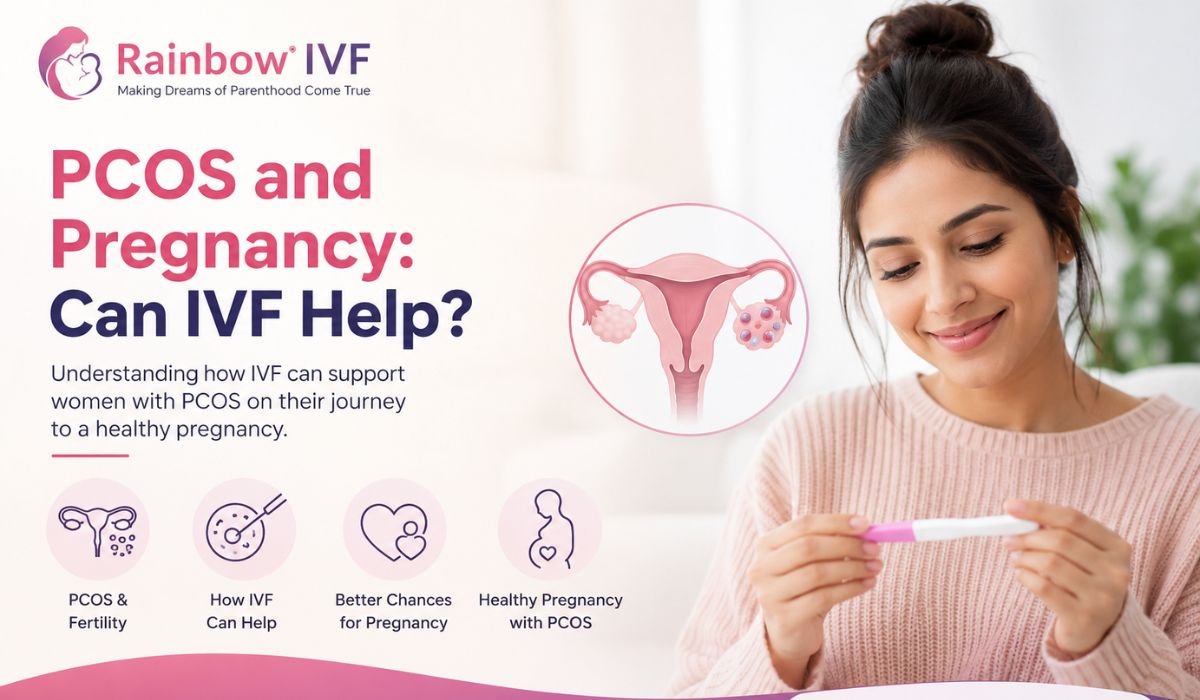
Polycystic ovary syndrome (PCOS) : A hormonal condition that affects ovulation and egg quality.
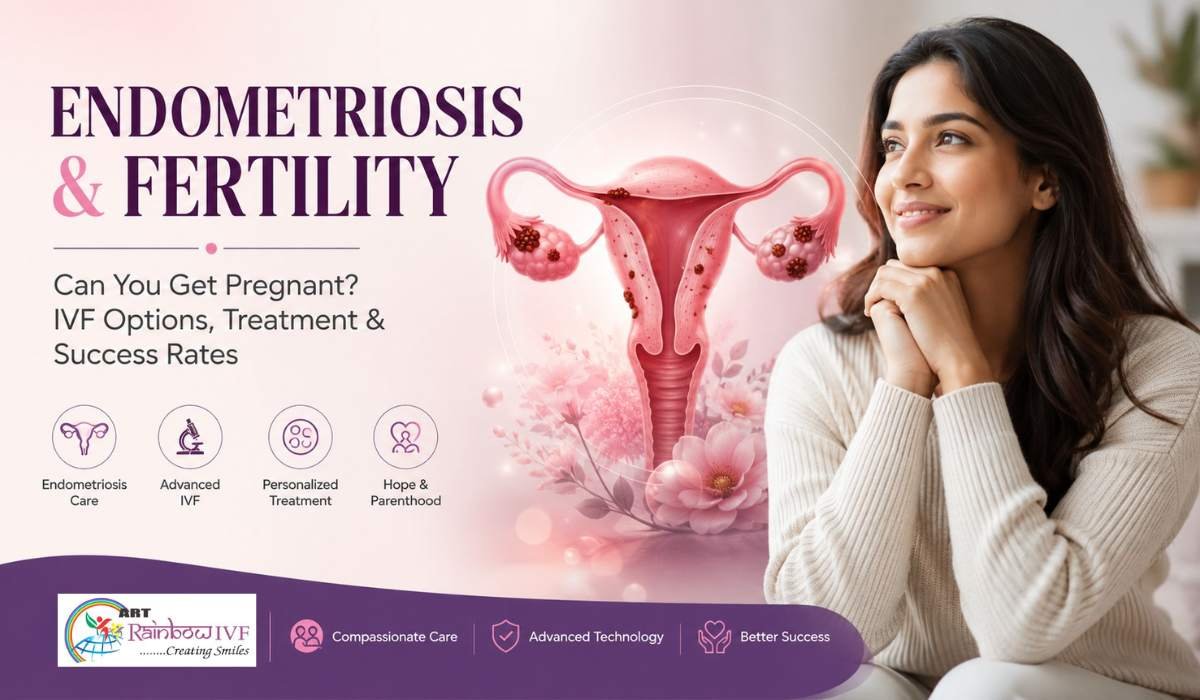
Endometriosis: A condition where uterine tissue grows outside the uterus, affecting reproductive organ function.
Ovulation disorders: Conditions where the ovaries do not release eggs regularly or at all.
Uterine abnormalities: Fibroids, polyps, or structural issues that interfere with embryo implantation.
Male factor infertility is equally common and contributes to about one-third of infertility cases. Problems include:
Low sperm count: Fewer than the normal number of sperm in the ejaculate.
Poor sperm motility: Sperm that do not swim effectively to reach the egg.
Abnormal sperm shape: Morphological issues that prevent sperm from penetrating the egg.
Absence of sperm: Complete lack of sperm in the semen due to blockages or other medical conditions.
In some cases, standard fertility tests do not reveal any clear cause for conception difficulties. This is called unexplained infertility. IVF can be particularly helpful in such situations because it addresses potential issues that standard testing cannot identify.
Doctors recommend IVF treatment in specific situations where other treatments are unlikely to succeed. Medical guidelines suggest IVF for the following circumstances:
Blocked fallopian tubes: IVF bypasses the tubes entirely, making pregnancy possible.
Severe male factor infertility: When sperm parameters are significantly abnormal, IVF with ICSI is often recommended.
Failed other fertility treatments: When intrauterine insemination or fertility medications have not resulted in pregnancy.
Advanced maternal age: Women over 35 may benefit from IVF because it allows for embryo selection and faster results.
Genetic disorders: IVF with preimplantation genetic testing helps prevent passing inherited conditions to children.
Unexplained infertility: When one to two years of trying has not resulted in pregnancy despite no identifiable cause.
Age plays a significant role in these recommendations. For women over 40, fertility specialists often suggest IVF earlier because natural conception rates decline rapidly with age.
Before beginning IVF, both partners undergo thorough medical testing. Women receive blood tests to check hormone levels, ovarian reserve, and overall reproductive health. A vaginal ultrasound evaluates the uterus and ovaries. Men undergo semen analysis to assess sperm count, motility, and morphology. These tests help fertility specialists design a personalized treatment plan.
The woman receives hormone injections containing follicle-stimulating hormone and luteinizing hormone. These medications stimulate the ovaries to produce multiple eggs instead of the single egg that develops naturally each month. Blood tests and ultrasounds monitor follicle growth over 8 to 14 days. When follicles reach the appropriate size, a final trigger injection is given to prepare the eggs for retrieval.
Egg retrieval is a minor procedure performed under sedation. The doctor uses a thin needle guided by ultrasound to collect eggs from the ovarian follicles. The procedure takes about 20 to 30 minutes. Patients typically return home the same day and recover within 24 to 48 hours.
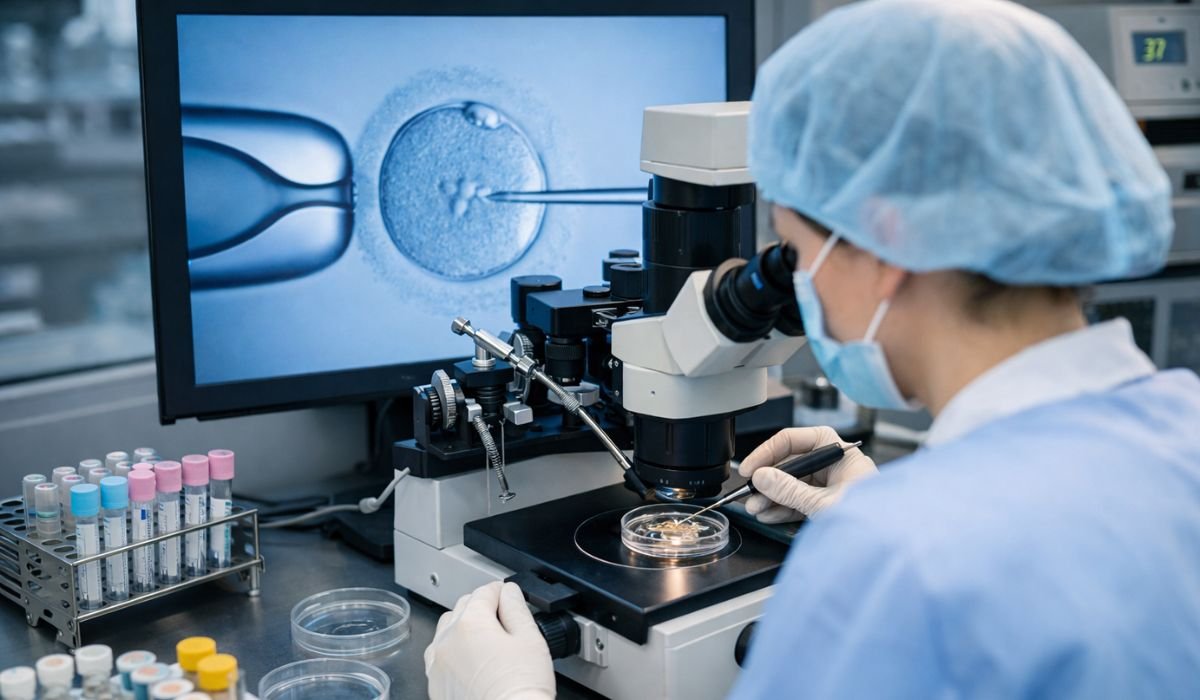
In the laboratory, embryologists examine the retrieved eggs and identify mature ones for fertilization. Sperm from the male partner or a donor is prepared by separating the healthiest, most active sperm. Fertilization occurs through either conventional insemination or ICSI, where a single sperm is injected directly into each egg.
Fertilized eggs become embryos that are cultured in specialized incubators for 3 to 5 days. Embryologists monitor development closely. Extended culture to day 5, called the blastocyst stage, allows for better embryo selection because embryos that reach this stage have higher implantation potential.
Embryo transfer is a simple, painless procedure. Using a thin, flexible catheter, the doctor gently places one or two selected embryos into the uterus. No anesthesia is required. The procedure takes only a few minutes, and the patient rests briefly before returning to normal activities.
Approximately 10 to 14 days after embryo transfer, a blood test measures beta-hCG levels to determine if pregnancy has occurred. This test provides accurate results and can be repeated to monitor early pregnancy progression. If the test is positive, ultrasound confirmation follows a few weeks later.
IVF success rates in India are comparable to global standards. Leading fertility centers report outcomes that match or exceed averages in many developed countries.
Success rates vary significantly by age group:
| Age Group | Average Success Rate Per Cycle |
|---|---|
| Under 35 years | 40 to 55 percent |
| 35 to 37 years | 30 to 40 percent |
| 38 to 40 years | 20 to 30 percent |
| 41 to 42 years | 10 to 15 percent |
| Over 42 years | 5 to 10 percent |
These percentages represent clinical pregnancy rates per embryo transfer. Cumulative success rates after two or three cycles are higher. Many couples who do not succeed in their first cycle achieve pregnancy in subsequent attempts.
Success rates alone do not tell the complete story. Individual factors such as the cause of infertility, the woman’s ovarian reserve, and the quality of the fertility clinic all affect outcomes. Couples should discuss their specific chances with their fertility specialist based on their personal medical profile.
The cost of IVF treatment in India varies across cities and clinics. Several factors contribute to the final expense.
The average cost of a standard IVF cycle in India typically ranges from ₹1,20,000 to ₹2,50,000 depending on the clinic, medications, and treatment complexity. In major metropolitan cities, the cost may be higher, often falling between ₹1,50,000 and ₹3,00,000 per cycle. This estimate generally includes:
Initial consultations and fertility assessments
Ovarian stimulation medications
Ultrasound monitoring
Egg retrieval procedure
Fertilization and embryo culture
Embryo transfer
Additional procedures increase the total cost:
ICSI adds approximately ₹20,000 to ₹40,000
Frozen embryo transfer cycles range from ₹30,000 to ₹60,000
Embryo freezing costs around ₹15,000 to ₹25,000
Annual embryo storage fees are ₹10,000 to ₹20,000
Donor eggs or sperm add ₹20,000 to ₹1,00,000 depending on the source
Preimplantation genetic testing ranges from ₹30,000 to ₹60,000
It is important to understand that IVF costs mentioned in this article are estimated averages. The final cost varies based on individual medical conditions, the type and dosage of medications required, the number of monitoring visits needed, and whether additional procedures such as ICSI, embryo freezing, or genetic testing are recommended by the fertility specialist. Couples should request a detailed cost breakdown from their chosen clinic before beginning treatment.
Several factors influence whether IVF treatment leads to a successful pregnancy.
Age: Maternal age is the single most important factor. Younger women have higher egg quality and quantity, leading to better outcomes. Women under 35 have the highest success rates, while success declines notably after 40.
Egg quality: The health of a woman’s eggs affects embryo development. Good quality eggs produce embryos that are more likely to implant and develop normally. Poor egg quality can result in embryos that fail to implant or lead to early miscarriage.
Sperm health: Sperm parameters matter, especially when using conventional IVF. For ICSI, even men with very low sperm counts can achieve fertilization, but overall sperm DNA quality still influences embryo development.
Lifestyle factors: Smoking, heavy alcohol consumption, obesity, and high stress levels negatively affect IVF outcomes. Maintaining a healthy weight, eating a balanced diet, and avoiding harmful substances improve success chances.
Clinic expertise: The skill of the fertility specialist and embryology team, along with laboratory technology, directly impacts results. Clinics with advanced equipment and experienced staff generally achieve better outcomes.
Conventional IVF: This is the standard IVF procedure where eggs and sperm are mixed together in a laboratory dish. Fertilization occurs naturally over several hours. This method works well for couples with no severe male factor infertility.
ICSI (Intracytoplasmic Sperm Injection) : In this technique, a single healthy sperm is directly injected into each mature egg. ICSI is essential for male factor infertility, couples with previous fertilization failure, and when using frozen sperm or surgically retrieved sperm.
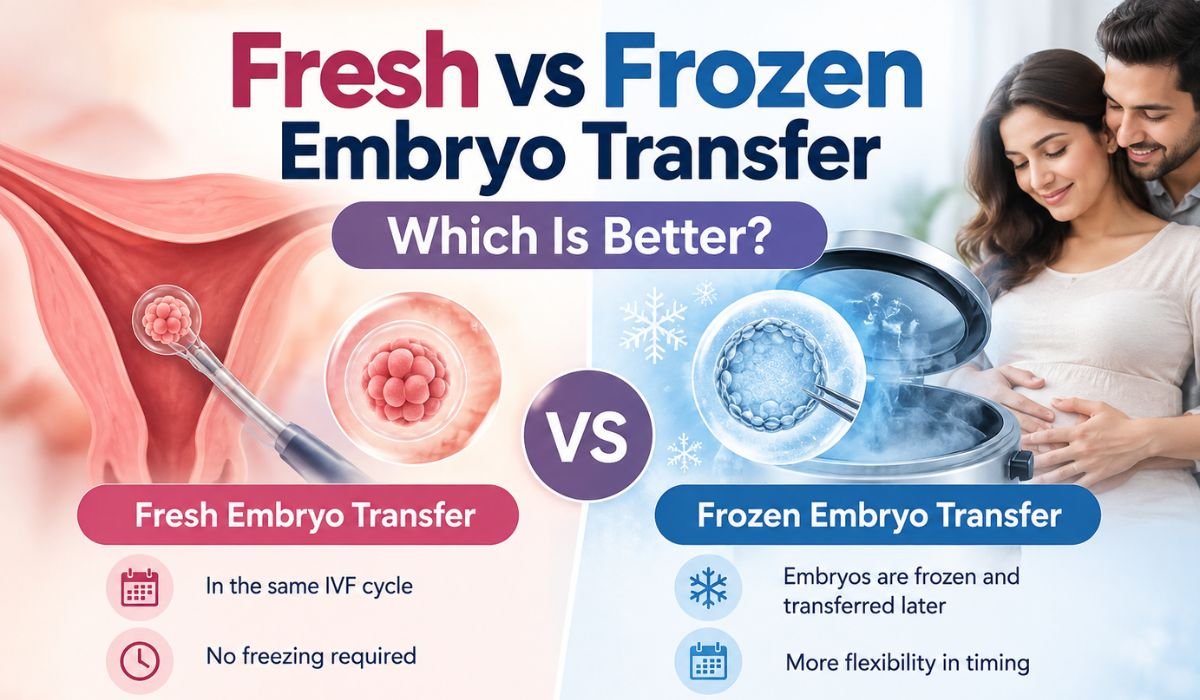
Frozen Embryo Transfer (FET) : This involves freezing embryos from one cycle and transferring them in a later cycle. FET allows the woman’s body to recover from stimulation medications and may improve uterine receptivity. It also enables couples to attempt additional pregnancies without repeated egg retrievals.
Donor IVF: When a woman cannot produce healthy eggs due to age, premature ovarian failure, or genetic disorders, donor eggs can be used. Similarly, donor sperm helps couples with severe male factor infertility. Donor IVF gives couples the opportunity to experience pregnancy and childbirth using donated gametes.
Like all medical procedures, IVF carries certain risks and side effects. Most are manageable and temporary.
Ovarian Hyperstimulation Syndrome (OHSS) : This condition occurs when the ovaries respond too strongly to fertility medications. Symptoms include abdominal bloating, nausea, and in severe cases, fluid accumulation. Modern stimulation protocols have reduced the risk significantly.
Multiple pregnancy: Transferring more than one embryo increases the chance of twins or triplets. Multiple pregnancies carry higher risks for both mother and babies. Many clinics now limit transfers to one or two embryos to reduce this risk.
Miscarriage: The miscarriage rate after IVF is similar to natural conception rates. Age remains the primary factor, with older women having higher miscarriage rates.
Ectopic pregnancy: In rare cases, the embryo implants outside the uterus, requiring medical intervention.
Physical side effects: Mild bloating, breast tenderness, mood swings, and injection site reactions are common during stimulation. These resolve after treatment ends.
Medical preparation: Complete the recommended fertility evaluations. Discuss any existing health conditions with your doctor. Ensure vaccinations are up to date and manage chronic conditions like diabetes or thyroid disorders.
Lifestyle improvements: Stop smoking and avoid alcohol. Achieve a healthy body mass index, as being underweight or overweight affects success rates. Moderate exercise improves circulation and reduces stress.
Nutrition: Eat a balanced diet rich in antioxidants, leafy greens, lean proteins, and healthy fats. Under medical guidance, consider supplements such as folic acid, vitamin D, and coenzyme Q10.
Emotional preparation: IVF can be emotionally challenging. Maintain open communication with your partner. Seek support from friends, family, or professional counselors. Joining support groups allows you to connect with others on similar journeys.
While IVF is a safe and effective treatment for most couples, it is not suitable for everyone. Certain medical conditions may make IVF inadvisable or require alternative approaches.
Women with uncontrolled health conditions such as severe heart disease, untreated cancer, or advanced uterine abnormalities may not be suitable candidates for IVF. In such cases, doctors may recommend alternative reproductive options, including donor eggs, gestational surrogacy, or adoption.
Additionally, women who have significant medical conditions that would make pregnancy itself unsafe—such as severe hypertension, uncontrolled diabetes with organ damage, or certain autoimmune disorders—may be advised against undergoing IVF. A thorough medical evaluation before treatment helps identify any contraindications and ensures patient safety.
Fertility treatment is no longer confined to major metropolitan areas. Tier-2 cities across India have developed robust fertility care infrastructure.
Cities such as Agra, Lucknow, Jaipur, Nagpur, Surat, and many others now host established fertility centers with advanced laboratory facilities. These centers are often led by experienced fertility specialists trained in leading national and international institutions.
The expansion of fertility services to tier-2 cities offers several benefits. Couples can access quality treatment closer to home, reducing travel stress and accommodation costs. Treatment costs in these cities are often lower than in metropolitan areas, making IVF more affordable for middle-income families.
Technology and medical expertise have spread beyond metro cities. Many centers in tier-2 cities offer the same advanced procedures—including ICSI, embryo freezing, and genetic testing—as their metropolitan counterparts. This geographic expansion has made fertility treatment accessible to millions of couples who previously had limited options.
Agra has emerged as a significant center for fertility treatment in North India. The city is home to several advanced IVF clinics that serve patients from Agra, nearby districts, and neighboring states.
The presence of experienced fertility specialists and well-equipped embryology laboratories has made Agra a trusted destination for couples seeking IVF treatment. Patients benefit from the convenience of receiving world-class fertility care without having to travel to larger metropolitan cities like Delhi or Mumbai.
Many couples searching for the best IVF doctor in Agra prefer clinics that combine experienced fertility specialists with advanced embryology laboratories and transparent treatment protocols. For residents of western Uttar Pradesh, Rajasthan, and Madhya Pradesh, Agra offers a geographically accessible option for IVF treatment.
Choosing a fertility center in Agra allows couples to combine quality medical care with the comfort of staying in a familiar environment, often at a lower overall cost compared to treatment in metro cities.
Doctor experience: Look for fertility specialists with extensive experience in managing complex infertility cases. Ask about their qualifications, years of practice, and personal success rates for patients with similar medical profiles.
Laboratory technology: The embryology laboratory is critical to IVF success. Inquire about laboratory standards, equipment, and whether the clinic performs blastocyst culture, embryo freezing, and advanced procedures like ICSI.
Success rate transparency: Ethical clinics provide realistic, age-separated success rates. Be cautious of clinics claiming unusually high success without providing detailed data.
Patient care: Consider how the clinic communicates with patients. Clear explanations, responsive staff, and comprehensive counseling services indicate a patient-centered approach.
Legal compliance: Ensure the clinic is registered under the Assisted Reproductive Technology (Regulation) Act, 2021. This registration ensures adherence to legal requirements regarding consent, documentation, and ethical practices.
The field of IVF continues to advance rapidly. Several emerging technologies promise to improve outcomes in the coming years.
Artificial Intelligence (AI) embryo selection: AI algorithms analyze thousands of embryo images to identify those with the highest implantation potential. This technology helps embryologists select embryos more accurately.
Non-invasive genetic testing: New methods allow testing embryos for genetic abnormalities without removing cells from the embryo. This reduces risk and may improve safety.
Improved cryopreservation: Vitrification technology has revolutionized embryo and egg freezing. Survival rates after thawing now exceed 95 percent, making frozen embryo transfers highly successful.
Personalized stimulation protocols: Advances in understanding individual patient responses allow doctors to tailor medication protocols more precisely, improving outcomes and reducing risks.
Expanding access: As technology becomes more efficient and affordable, fertility treatment will become accessible to more couples across India. Government initiatives and insurance coverage may further reduce financial barriers.
IVF treatment has transformed the lives of millions of couples struggling with infertility. In India, the procedure has become a reliable, accessible, and effective solution for building families.
Understanding the process, success rates, costs, and factors affecting outcomes helps couples make informed decisions. While the journey can be emotionally and financially demanding, modern fertility treatments offer genuine hope for parenthood.
The key to a successful IVF experience lies in choosing an ethical, transparent clinic, maintaining realistic expectations, and taking care of physical and emotional health throughout the process. With proper preparation and the right medical team, countless couples have achieved their dream of welcoming a child into their family.
Success rates vary by age. Women under 35 have success rates of 40 to 55 percent per cycle. Rates decline with age, falling to 10 to 20 percent for women over 40. Cumulative success after multiple cycles is higher.
The cost of a standard IVF cycle typically ranges from ₹1,20,000 to ₹2,50,000, depending on the clinic, medications, and any additional procedures required. In major cities, costs may be higher, ranging from ₹1,50,000 to ₹3,00,000.
A complete IVF cycle from the start of ovarian stimulation to pregnancy test takes approximately 4 to 6 weeks. This includes 8 to 14 days of stimulation, egg retrieval, 3 to 5 days of embryo culture, and a 10 to 14 day wait before the pregnancy test.
Most patients describe IVF as mildly uncomfortable rather than painful. Egg retrieval is performed under sedation, so no pain is felt during the procedure. Ovarian stimulation involves daily injections, which some women find uncomfortable. The embryo transfer is painless.
Long-term studies have generally shown that IVF is safe for most women, although individual risks may vary depending on medical history and treatment protocols. Children conceived through IVF have health outcomes similar to naturally conceived children.
This article is for informational purposes only and does not constitute medical advice. IVF treatment recommendations, protocols, success rates, and costs vary depending on individual medical conditions, clinic practices, and geographic location. The information provided here represents general estimates and should not be used as a substitute for professional medical consultation. Couples considering IVF treatment should consult a qualified fertility specialist to discuss their specific situation and receive personalized medical advice.


Ph: +91-562-260-0537, +91-7060301888
Address: Rainbow IVF 4th Floor, Ujala Cygnus Rainbow Hospital, NH-19, Near Guru ka Taal, Gurudwara, Sikandra, Agra, Uttar Pradesh 282007


