
Blog
 23/05/2026
Medically Reviewed by Dr. Jaideep Malhotra | Director ART, Rainbow IVF, Agra | MBBS, MD, FRCOG (UK) Published: May 2026 | Last Reviewed: May 2026
When a couple is told they need fertility treatment, two terms come up almost immediately — IUI and IVF. Both are assisted reproductive procedures. Both help couples get pregnant. But they work very differently, cost very differently, and are suited to very different situations.
The question “should we do IUI or IVF?” is one of the most common questions we hear at Rainbow IVF Agra. The honest answer is: it depends entirely on your specific diagnosis.
This guide explains what IUI and IVF actually involve, how they differ, who is the right candidate for each, and how we decide which treatment to recommend at our clinic.
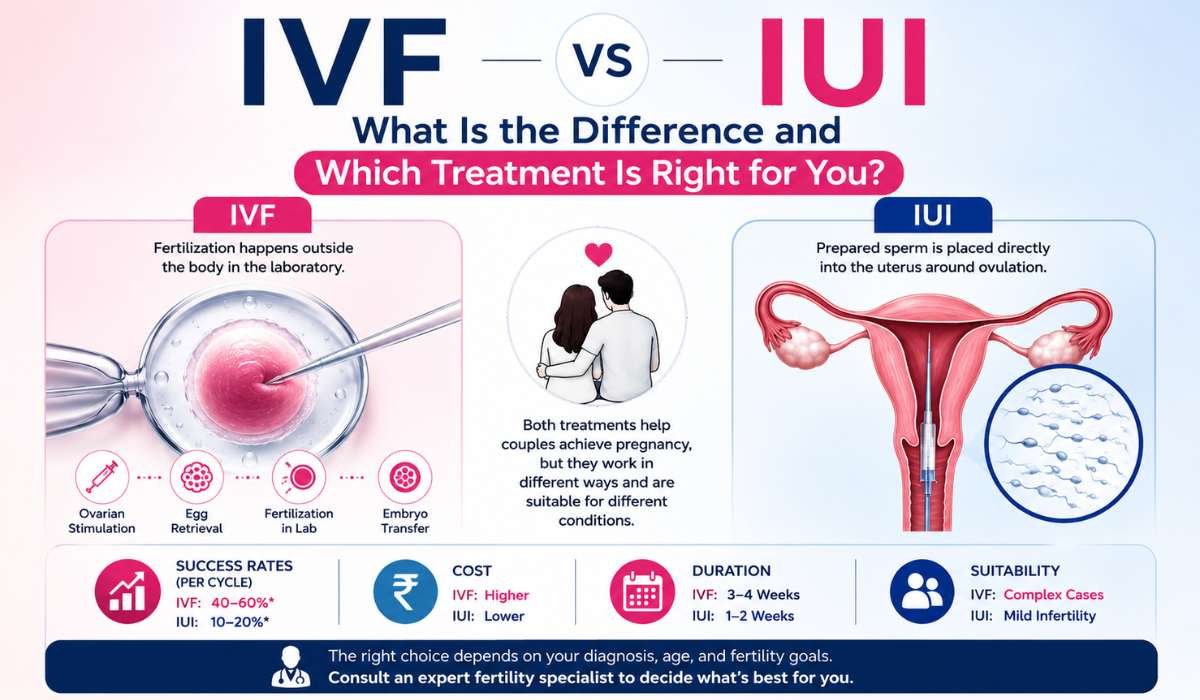
IVF and IUI are both fertility treatments, but they work differently. In IUI, prepared sperm is placed directly into the uterus to improve the chances of fertilization. In IVF, eggs are fertilized with sperm in a laboratory before an embryo is transferred into the uterus. IVF generally offers higher success rates but is more complex and expensive than IUI.
IUI stands for Intrauterine Insemination. It is a relatively simple procedure where prepared sperm is placed directly inside the uterus around the time of ovulation.
Here is how it works. The male partner provides a semen sample. In the laboratory, technicians wash and concentrate the sample to separate the healthiest, most motile sperm.
This concentrated sample is then inserted through a thin catheter into the uterus. The entire procedure takes about 10 to 15 minutes and is similar in sensation to a routine cervical smear.
The idea behind IUI is to reduce the distance sperm need to travel and increase the number of healthy sperm that reach the fallopian tube at the time an egg is released.
IUI can be done in a natural cycle or combined with mild ovarian stimulation using tablets or injections to encourage one or two eggs to develop.
IVF stands for In Vitro Fertilization. It is a more complex procedure where eggs are retrieved from the ovaries, fertilized with sperm in a laboratory, and the resulting embryo is transferred back into the uterus.
Here is the process in brief. The woman takes daily hormone injections for 10 to 12 days to stimulate multiple eggs to grow. When the eggs are mature, they are collected under sedation through a minor procedure called egg retrieval.
The eggs are fertilized in the embryology laboratory — either by placing sperm around them (conventional IVF) or by injecting a single sperm directly into each egg (ICSI).
The fertilized eggs are grown in the laboratory for 3 to 5 days and monitored closely. The best quality embryo is then transferred into the uterus.
Related reading: What Does Egg Retrieval Really Feel Like? An Honest Guide
| IUI | IVF | |
|---|---|---|
| Where fertilization happens | Inside the body | Outside the body (lab) |
| Invasiveness | Minimal | Moderate (egg retrieval under sedation) |
| Ovarian stimulation | Mild or none | Intensive (10–12 days of injections) |
| Number of eggs involved | Natural cycle (1–2 eggs) | Multiple eggs retrieved |
| Embryo selection possible | No | Yes (PGT-A genetic testing option) |
| Success rate per cycle | 10–20% | 40–60% depending on age |
| Cost per cycle | Lower | Higher |
| Time required | 1–2 weeks | 3–4 weeks |
| Suitable for blocked tubes | No | Yes |
| Suitable for severe male factor | No | Yes (with ICSI) |
IUI is a reasonable first-line treatment when the following conditions are met:
Mild male factor infertility. If the sperm count and motility are slightly below normal but not severely impaired, IUI gives sperm a better chance by placing them closer to the egg.
Unexplained infertility. When all tests come back normal but pregnancy has not occurred naturally after 12 months of trying, IUI is often recommended as the first step before moving to IVF.
Ovulation disorders. Women who do not ovulate regularly — such as those with mild PCOS — can benefit from IUI combined with ovulation induction.
Cervical factor infertility. If the cervical mucus is hostile to sperm or if the cervix has been treated surgically, bypassing it with IUI improves sperm access to the uterus.
Same-sex couples and single women using donor sperm typically begin with IUI as it is less invasive and less expensive.
IUI is generally not recommended if there is more than 1 to 2 years of unexplained infertility, if the woman is over 38, if fallopian tubes are blocked, or if sperm parameters are severely abnormal.
IVF is the recommended treatment when:
Fallopian tubes are blocked or damaged. IUI requires at least one open, healthy fallopian tube for sperm to reach the egg. If both tubes are blocked, only IVF can bypass them entirely since fertilization happens in the lab.
Severe male factor infertility. When sperm count is very low, motility is very poor, or sperm must be retrieved surgically (as in azoospermia), ICSI as part of IVF is the most effective treatment.
Failed IUI cycles. If 2 to 3 IUI cycles have not resulted in pregnancy, continuing with more IUI is generally not productive. IVF offers significantly higher success rates and is the logical next step.
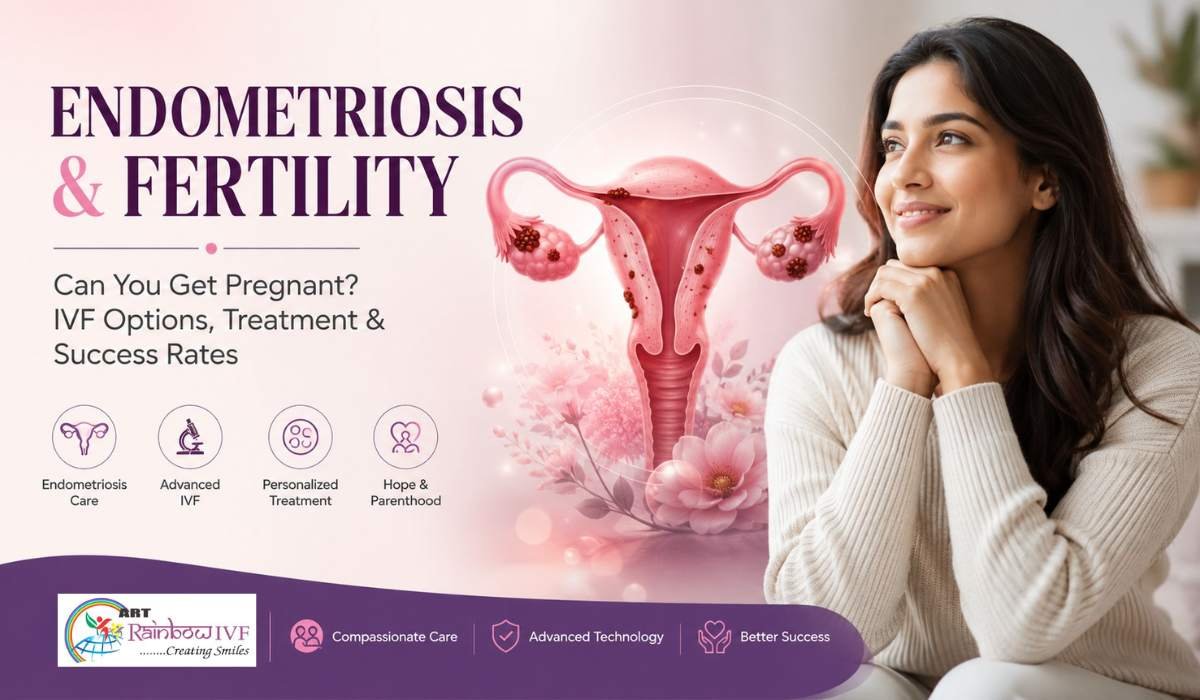
Endometriosis. Moderate to severe endometriosis significantly reduces the chance of success with IUI. IVF offers far better outcomes for women with this condition.
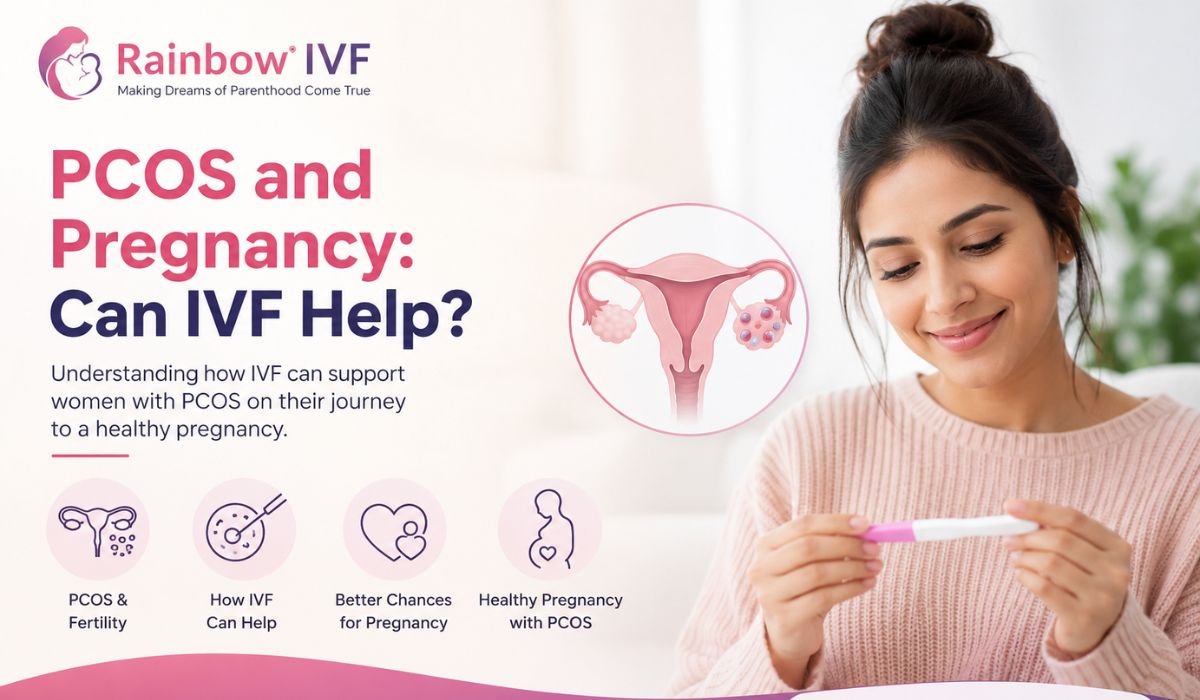
PCOS with poor response to IUI. Women with PCOS who have not responded to ovulation induction plus IUI typically do much better with IVF.
For More clarification –PCOS and IVF Treatment in India: Can Women with PCOS Succeed?
Recurrent miscarriage. IVF with preimplantation genetic testing (PGT-A) allows embryos to be screened for chromosomal abnormalities before transfer, significantly reducing miscarriage risk.
Advanced maternal age. Women over 35 — and especially those over 38 — have a limited window of time and a declining egg reserve. IVF gives access to multiple eggs in one cycle and allows embryo selection, improving the overall chance of success.
This is where the numbers tell a clear story.
IUI success rates per cycle in India range from approximately 10 to 20 percent for women under 35. The rate drops further with age. To achieve a cumulative pregnancy rate comparable to one IVF cycle, a couple may need 3 to 6 IUI cycles.
IVF success rates per cycle at a well-equipped clinic range from 40 to 60 percent for women under 35, and 30 to 45 percent for women between 35 and 40. The cumulative success rate after 3 IVF cycles is significantly higher than after 3 IUI cycles for most diagnoses.
This does not mean IUI is the wrong choice. For the right patient, IUI is a perfectly appropriate first step. But if your diagnosis suggests IUI is unlikely to work, going through multiple cycles adds cost and emotional strain while delaying the more effective treatment.
IUI is considerably less expensive than IVF per cycle. At Rainbow IVF Agra, IUI costs a fraction of what a full IVF cycle costs. However, if a couple requires 3 to 4 IUI cycles before achieving success — or before moving to IVF — the cumulative cost of multiple IUIs can approach the cost of a single IVF cycle.
For couples where the diagnosis already points clearly toward IVF — blocked tubes, severe male factor, age over 38 — starting with IUI first is not cost-saving. It is cost-delaying.
At our clinic, we do not recommend a treatment before understanding your complete picture. At your first consultation, both partners are evaluated together. We review all existing reports, conduct a detailed history, and recommend further investigations if needed.
Our recommendation — IUI or IVF — is based entirely on your diagnosis, not on what is more convenient or less expensive on paper. If your diagnosis points to IVF, we will tell you honestly rather than put you through IUI cycles that are unlikely to work.
If your diagnosis is suitable for IUI, we will recommend that first and monitor results closely before deciding on next steps.
Neither treatment is universally better. The right choice depends on factors such as age, fertility diagnosis, sperm quality, fallopian tube health, and how long a couple has been trying to conceive. For some couples, IUI is an effective first step. For others, IVF offers a significantly higher chance of pregnancy and may be the most appropriate treatment from the beginning.
Can I start directly with IVF without trying IUI first?
Yes. IUI is not a mandatory first step before IVF. For many diagnoses — blocked tubes, severe male factor, age over 38, failed IUI cycles — going directly to IVF is the correct recommendation. Ask your doctor to explain exactly why they are recommending one over the other.
How many IUI cycles should I try before moving to IVF?
The standard recommendation is 3 cycles of IUI for appropriate candidates. If pregnancy has not occurred after 3 well-timed, properly performed IUI cycles, moving to IVF is generally advised. Some doctors recommend 2 cycles for women over 35 given the urgency of time.
Is IUI painful?
Most women describe IUI as mild discomfort — similar to period cramps — during the procedure. It passes within minutes. No anaesthesia is needed. You can resume normal activities the same day.
Is IVF more successful than IUI for PCOS?
For women with PCOS who respond poorly to ovulation induction, yes — IVF is significantly more successful than IUI. The controlled environment of IVF and the ability to select the best embryo makes a meaningful difference.
Can IUI be done with donor sperm?
Yes. Donor IUI using certified donor sperm is a standard procedure. At Rainbow IVF Agra, we can guide you through the process of accessing donor sperm through ICMR-approved banks.
What if IVF also fails?
A failed IVF cycle is not the end of the road. There are multiple factors that can be investigated and adjusted for the next cycle — stimulation protocol, embryo selection, endometrial preparation, and more. At Rainbow IVF, we conduct a detailed review after every cycle that does not result in pregnancy.
IUI and IVF are not in competition — they are different tools for different situations. The right choice depends entirely on your specific diagnosis, your age, how long you have been trying, and what tests have revealed.
If you are unsure whether IUI or IVF is right for you, the most important thing you can do is get a proper evaluation from an experienced fertility specialist — one who will give you an honest recommendation based on your situation rather than a one-size-fits-all protocol.
At Rainbow IVF Agra, we evaluate every couple individually and explain clearly why we are recommending a particular treatment path. Book your consultation today.
📞 +91-562-260-0537 | +91-7060301888 📍 Rainbow IVF, 4th Floor, Ujala Cygnus Rainbow Hospital, NH-19, Sikandra, Agra
You may also find these helpful:


Ph: +91-562-260-0537, +91-7060301888
Address: Rainbow IVF 4th Floor, Ujala Cygnus Rainbow Hospital, NH-19, Near Guru ka Taal, Gurudwara, Sikandra, Agra, Uttar Pradesh 282007


