
Blog
 24/11/2026

Preparing for IVF involves more than scheduling injections or egg collection. Understanding How to Prepare for IVF includes completing the medical evaluations recommended by your doctor, reviewing medications, understanding the treatment plan, maintaining good overall health, planning appointments and expenses, and preparing emotionally for a process that can feel demanding.
If you are wondering how to prepare for IVF, the most reliable first step is a consultation with a fertility specialist who can look at your history and advise you individually. Ideally, this happens early enough for any health or lifestyle factors the doctor identifies to be addressed without unnecessary delay.
This guide walks you through ten practical steps, followed by a printable checklist and answers to common questions. It is general information to help you prepare better questions, not a substitute for your own doctor’s advice.
Quick answer: Preparing for IVF involves a fertility consultation, the medical tests your specialist recommends, a review of your medicines and supplements, healthy lifestyle habits, and practical planning for costs, appointments and support. The exact checklist depends on each person’s medical history and treatment plan, so individual advice from a fertility specialist always comes first.
Good preparation gives your fertility team a clear picture of your reproductive health. It helps them identify issues that may need attention first, review which treatment options suit you, and plan how your cycle will be monitored.
Preparation also helps you. When you know what to expect, you can plan work leave, arrange support, understand costs, and walk into each appointment with fewer unanswered questions.
It is important to be realistic, though. Preparation can improve your overall readiness, but it cannot guarantee that an IVF cycle will succeed. Outcomes depend on many factors, including age, the cause of infertility, and how your body responds to treatment.
Your preparation should begin with a proper infertility consultation, where the specialist reviews your history and explains whether IVF or another approach is appropriate for you.
To make the most of this visit, be ready to discuss:
Where possible, both partners should attend. Fertility is influenced by both partners, and decisions about treatment are easier when you hear the same explanation together.
The tests you need depend on your medical history and clinical needs. Your specialist will decide which investigations are appropriate, and they may be repeated or added as your plan develops. The table below shows common examples.
| Test or assessment | What it evaluates | Why it may be recommended |
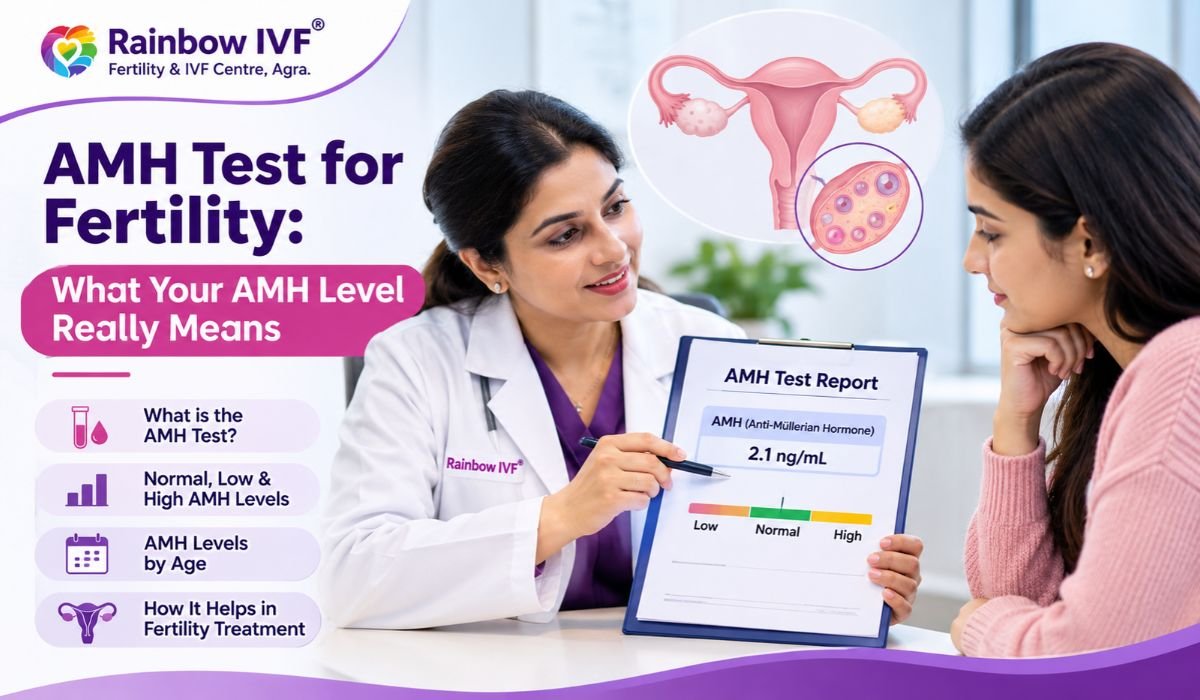
| AMH blood test and antral follicle count (AFC) | Ovarian reserve, meaning the number of eggs the ovaries may have available | Helps the doctor choose a stimulation approach and anticipate how the ovaries may respond |
| Hormonal tests (for example FSH, LH, prolactin), when indicated | Hormonal balance that affects ovulation and cycles | Useful when cycles are irregular or when symptoms suggest a hormonal cause |
| Pelvic ultrasound and uterine assessment | The uterus and ovaries, including fibroids, polyps or cysts | Identifies structural findings that may affect treatment planning |
| Semen analysis (male partner) | Sperm count, movement and shape | Shows whether male factors are involved and guides the choice of fertilisation technique |
| Infectious disease screening, as required | Infections that matter for safe treatment and pregnancy | Required in many settings to protect patients, partners and any future baby |
| Thyroid, blood sugar and other general health tests, when indicated | Overall health conditions that can influence fertility and pregnancy | Helps make sure conditions such as thyroid disorders or diabetes are well managed first |
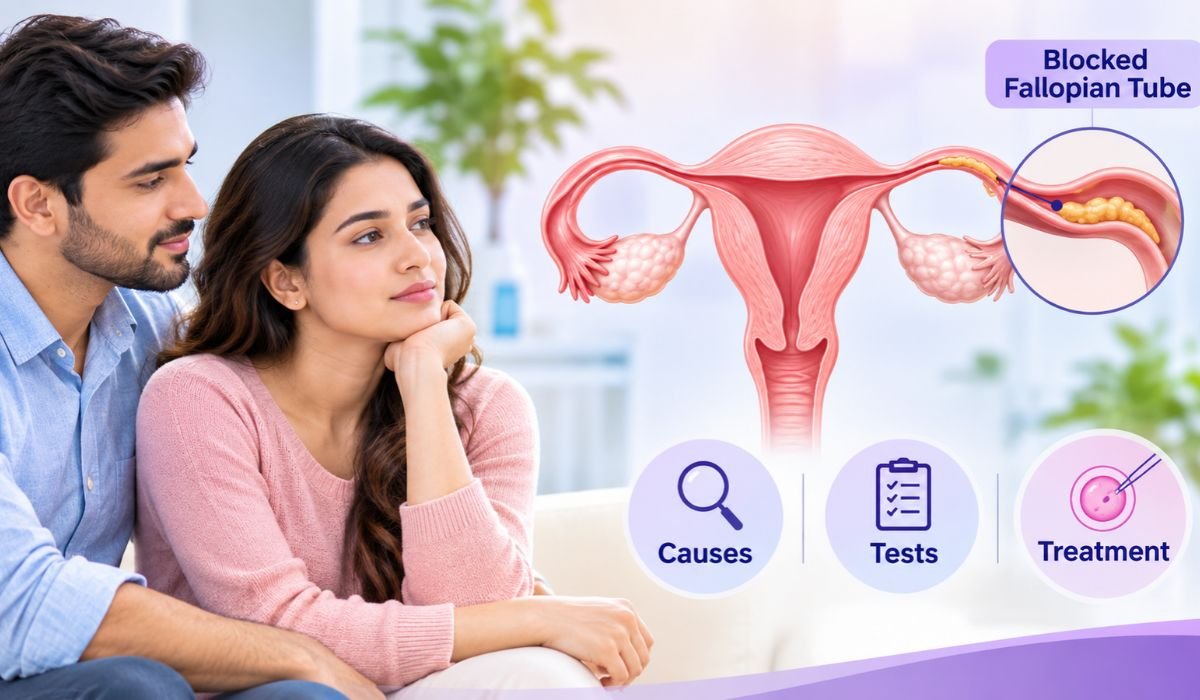
| Uterine cavity or tubal assessment, when clinically appropriate | The inside of the uterus and whether the fallopian tubes are open | Can reveal problems that affect implantation or the best treatment route |
Please keep two points in mind. Not every patient needs every test. Also, ovarian reserve tests such as AMH and AFC describe egg quantity at a point in time; they do not on their own determine whether natural conception or IVF will succeed.
Give your fertility team a complete list of everything you take: prescription medicines, over-the-counter products, herbal or Ayurvedic remedies, and supplements. Some products can interact with treatment or affect hormone levels, and your doctor can only advise you if they know about them.
Existing conditions deserve attention before treatment begins. Please discuss any of the following with your treating team:
Folic acid is generally recommended before pregnancy. Many guidelines suggest around 400 micrograms daily for most women, while some situations call for a higher dose. Because the right dose depends on your health history and other medicines, confirm it with your clinician, along with any other supplement you are considering.
Never stop a prescribed medicine on your own, and never start fertility medicines without a prescription and supervision. If you think a medicine may need to change, raise it with your doctor first.
Nutrition advice for IVF should be simple and sustainable. There is no special “IVF diet” that has been proven to guarantee results.
No single food, juice or diet can guarantee better egg quality, implantation or IVF success. Be cautious of social media claims that suggest otherwise.
Small, steady changes are more useful than dramatic ones. Consider the following, and talk to your clinician about what is right for you.
Avoid extreme diets, rapid weight-loss plans, detox products and unproven “fertility hacks”. They can do more harm than good.
Lifestyle also matters for the male partner. Smoking, alcohol, excess weight and some medicines can affect sperm health, so both partners’ habits are relevant to preparation.
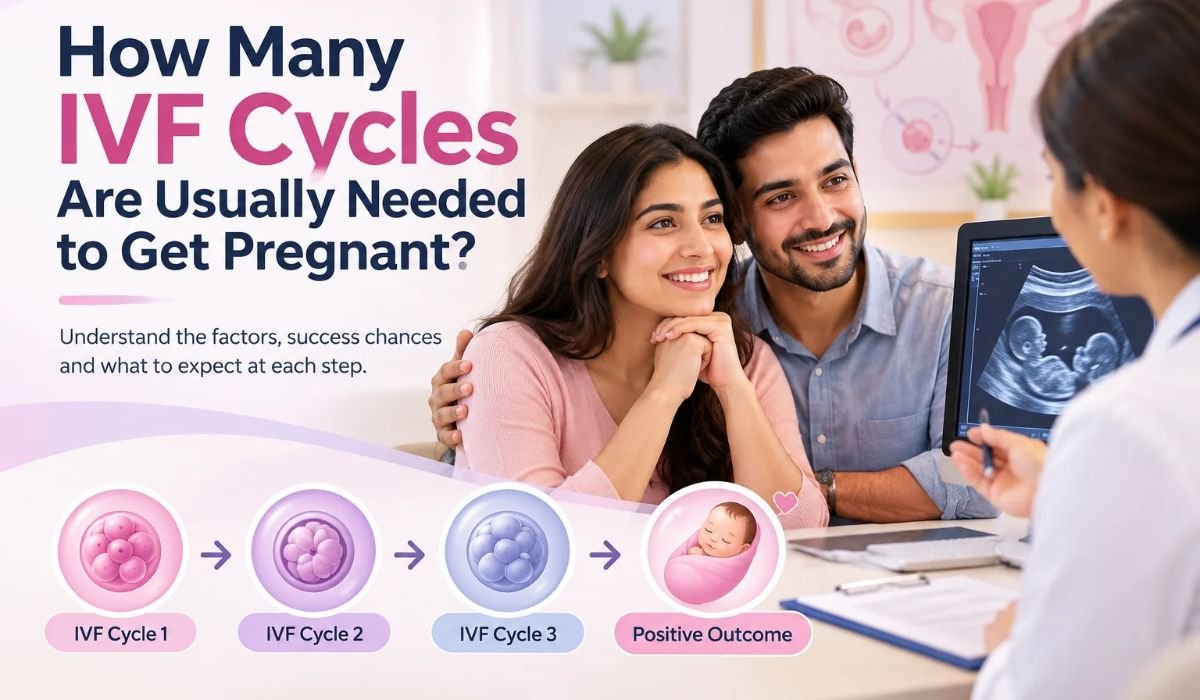
Your clinic will explain the full IVF treatment process in detail, but it helps to know the broad stages in advance so nothing feels unfamiliar:
Not every cycle follows exactly the same pathway. The timeline depends on your clinical circumstances and the protocol your specialist recommends, so treat this list as an orientation rather than a schedule.
IVF involves more than medical steps. A little planning makes the journey far less stressful.
Costs differ between patients and depend on the treatment plan, medicines needed and any additional procedures. Only a written estimate from your clinic reflects your own situation.
Fertility treatment can bring uncertainty, waiting periods and some difficult days, and many people find the emotional side as demanding as the physical side. Feeling anxious, hopeful or both at once is normal.
A few practical suggestions:
Stress does not cause infertility, and staying positive does not guarantee pregnancy. You do not have to be cheerful to be doing this well.
Bring this list to your consultation:
You should understand your individualised plan before you begin any medication. If something is unclear, ask again; a good team will explain it as many times as you need.
Print this or save it on your phone and tick items off as you go.
This is a general checklist. If your specialist’s instructions differ from anything here, follow your specialist.
There is no single preparation period that suits everyone. Starting the conversation early gives time for investigations, medical reviews and any changes your doctor suggests, such as managing a thyroid condition or stopping smoking.
At the same time, treatment should not be delayed unnecessarily, particularly when age or other clinical factors make timing important. Your specialist can tell you how much preparation time is sensible in your case.
Many people benefit from a fertility assessment after 12 months of trying to conceive if the woman is under 35, or after six months if she is 35 or older. Seeing a specialist sooner is sensible if there are known fertility concerns, irregular or absent periods, a history of reproductive problems such as repeated miscarriages, or other clinical reasons.
Timely medical assessment is better than guessing or self-diagnosing. A consultation can clarify whether you need more time, simple treatment or IVF.
Start with a fertility consultation, complete the tests your specialist recommends, and review your medicines and existing health conditions. Then focus on steady habits: a balanced diet, regular moderate activity, good sleep, and avoiding tobacco, recreational drugs and alcohol. Your doctor will tailor the advice to you.
Common examples are AMH and antral follicle count, a pelvic ultrasound, a semen analysis for the male partner, and infectious disease screening. Hormonal, thyroid, blood sugar, and uterine or tubal assessments may be added when clinically indicated. Not everyone needs every test.
There is no fixed period for everyone. If you need time to manage a condition or change lifestyle habits, starting early helps. If age or another clinical factor makes timing important, your specialist may advise not delaying. Discuss your own timeline at the consultation.
Aim for a varied, balanced diet with vegetables, fruit, whole grains, protein and healthy fats, and drink enough water. Limit highly processed foods where you can. No single food or juice can guarantee better egg quality or IVF success, so avoid extreme or restrictive diets.
Yes. The male partner’s semen analysis and general health are part of the evaluation. Avoiding smoking and alcohol, managing weight and reviewing medicines can all matter, and both partners benefit from attending consultations and sharing the emotional load.
Do not stop any prescribed medicine on your own. Share a complete list with your fertility specialist, who will tell you which medicines to continue, adjust or review, in coordination with your other doctors where needed.
Folic acid is generally recommended before pregnancy, but the right dose depends on you. Other supplements should be started only on a clinician’s advice, because some are unnecessary and a few may not be suitable. Tell your doctor about everything you already take.
No. Healthy habits support your general health and can help you feel more prepared, but IVF outcomes depend on factors such as age, diagnosis, egg and sperm quality, and embryo development. No lifestyle routine can ensure pregnancy.
Bring a photo ID, previous medical records, test and scan reports, summaries of earlier fertility treatments, a list of current medicines and supplements, and the semen analysis report if one exists. It also helps to note your recent menstrual cycle dates and write down your questions.
Avoid smoking, recreational drugs and alcohol, self-medicating with fertility drugs, starting supplements on the strength of online advice, extreme diets and unproven remedies. Also avoid stopping prescribed medicines without medical advice.
Knowing how to prepare for IVF comes down to a handful of steps: a thorough medical assessment, the investigations your specialist recommends, a review of your medicines and conditions, sensible lifestyle habits, clear financial and practical planning, and emotional support for you and your partner. None of these guarantee a pregnancy, but together they help you begin treatment informed and supported.
If you are considering IVF, the fertility team at Rainbow IVF in Agra can help you understand your options and your next steps. You can read more about IVF treatment at Rainbow IVF and discuss your own circumstances with the team whenever you feel ready.

Ph: +91-562-260-0537, +91-7060301888
Address: Rainbow IVF 4th Floor, Ujala Cygnus Rainbow Hospital, NH-19, Near Guru ka Taal, Gurudwara, Sikandra, Agra, Uttar Pradesh 282007


