
Blog
 20/03/2026
Medically Reviewed by
Prof. Dr. Jaideep Malhotra
Director, ART Rainbow IVF
Head of Reproductive Medicine
Ujala Cygnus Rainbow Hospital, Agra
Navigating the path to parenthood can feel overwhelming, especially after a diagnosis of Polycystic Ovary Syndrome (PCOS). If you are one of the millions of women in India asking this question, you are not alone. PCOS and pregnancy India is a topic of immense importance, as this condition is one of the most common yet treatable causes of infertility.
PCOS is a hormonal imbalance that affects how a woman’s ovaries work. Common symptoms include:
Irregular or absent menstrual periods
Excess facial or body hair (hirsutism)
Weight gain or difficulty losing weight
Acne and oily skin
Thinning hair on the scalp
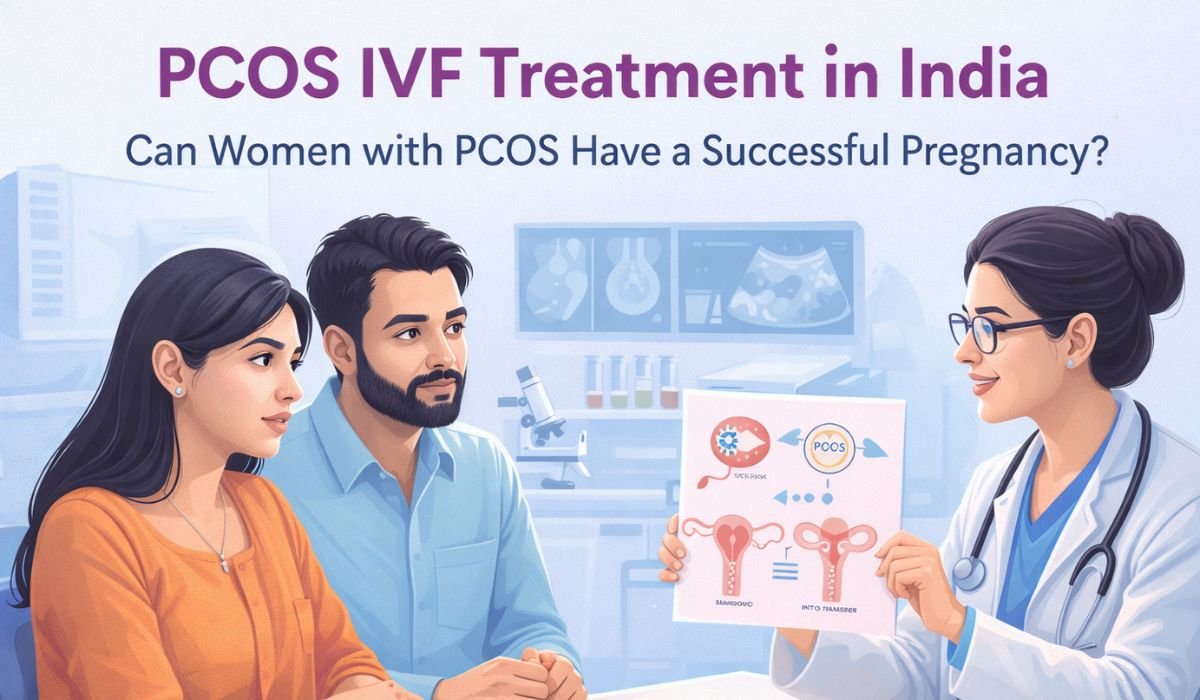
While this can make conceiving naturally challenging, it certainly does not mean motherhood is out of reach. For many women, PCOS IVF treatment India offers a beacon of hope. When lifestyle changes and basic fertility medications are not enough, IVF can provide a controlled and effective path to pregnancy by overcoming the specific barriers PCOS creates. This article will guide you through everything you need to know about PCOS and IVF, helping you make an informed decision about your fertility journey.
To understand why IVF can be so effective, it is important to first understand how PCOS impacts your body’s ability to conceive. At its core, PCOS disrupts the normal menstrual cycle. Women with PCOS often have higher levels of androgens (sometimes called “male hormones”) and insulin, which interfere with the delicate balance of reproductive hormones.
This hormonal chaos leads to the primary fertility challenge in PCOS: anovulation. This means the ovaries fail to release a mature egg regularly. Without an egg being released each month, natural pregnancy cannot occur.
Key PCOS symptoms affecting fertility:
| Symptom | Effect on Fertility |
|---|---|
| Irregular periods | Ovulation is unpredictable or absent |
| High androgen levels | Interferes with egg maturation |
| Insulin resistance | Increases androgen production |
| Ovarian cysts | Eggs may not be released properly |
Here is a breakdown of how it happens:
Hormonal Imbalance: High levels of luteinizing hormone (LH) or insulin can cause the ovaries to produce too much testosterone, which prevents the follicles (where eggs grow) from maturing and releasing an egg.
Insulin Resistance and Fertility: Many women with PCOS have insulin resistance fertility issues. Their bodies do not use insulin effectively, leading to higher insulin levels. This excess insulin can signal the ovaries to produce more androgens, further disrupting ovulation.
Egg Quality: While women with PCOS often have a high number of eggs (as indicated by high AMH levels PCOS), the quality of those eggs can sometimes be affected by the hormonal environment, potentially making fertilization or implantation more difficult.
Key Takeaway:
Irregular ovulation is the main barrier to pregnancy in PCOS, but it is also the problem that IVF is specifically designed to solve.
Addressing polycystic ovary syndrome fertility treatment requires a strategy that tackles these specific hurdles, making the right medical support crucial.
The short and reassuring answer is yes. In fact, IVF is one of the most successful treatments for women with PCOS. It is often recommended when other treatments, such as ovulation induction with medications like letrozole or clomiphene citrate combined with timed intercourse or IUI, have not resulted in pregnancy.
Here is why IVF for PCOD patients is so effective: IVF essentially takes over the entire conception process. Instead of relying on the body’s unpredictable hormonal signals, IVF stimulates the ovaries in a controlled way to produce multiple eggs, retrieves those eggs directly, fertilizes them in a lab to create embryos, and then transfers a healthy embryo back into the uterus. This process bypasses the main issue of irregular ovulation entirely, giving you a much higher degree of control over the outcome.
For women exploring IVF treatment options, this approach offers the highest success rate per cycle for PCOS-related infertility.
One of the first questions every woman has is about the chances of success. Thanks to advanced medical technology and personalized care, the PCOS IVF success rate in India is very promising.
Success in IVF depends on several factors, but having PCOS can actually be an advantage in some respects. Women with PCOS tend to be younger at the time of treatment and often produce a good number of eggs during stimulation.
IVF Success Rate for PCOS Patients in India
| Age Group | Estimated Success Rate Per Cycle |
|---|---|
| Under 35 | 40–50% |
| 35–37 | 35–40% |
| 38–40 | 25–30% |
| Above 40 | 15–20% |
Expert Insight
According to Prof. Dr. Jaideep Malhotra, Director of ART Rainbow IVF:
“Women with PCOS often respond well to IVF because they typically have a high ovarian reserve. With careful monitoring and modern protocols like frozen embryo transfer, we can significantly improve safety and success rates.”
Here are the key factors that influence success:
Age: This is the single most important factor. The IVF success rate PCOS under 35 is particularly high. For women in this age group, success rates can range from 40% to 50% per cycle, which is excellent compared to many other fertility diagnoses.
AMH Levels PCOS: Women with PCOS typically have high Anti-Müllerian Hormone (AMH) levels, which indicates a good ovarian reserve (a high number of eggs). This is a positive sign, as having more eggs to work with increases the likelihood of creating viable embryos.
Embryo Quality: While egg quality can be a concern, a well-designed IVF protocol and expert lab conditions can help in selecting the best-quality embryo for transfer, which is the key to a successful pregnancy.
Key Takeaway:
PCOS patients under 35 have some of the highest IVF success rates among all infertility diagnoses.
A one-size-fits-all approach does not work for PCOS. A successful cycle relies on a customized ovarian stimulation PCOS protocol designed specifically for your body’s unique needs. The goal is to retrieve a healthy number of eggs while minimizing risks.
Standard IVF protocols might use high doses of medication, but this can be problematic for women with PCOS. Instead, specialists use:
Lower Medication Doses: Because PCOS ovaries are often very sensitive to fertility hormones, the stimulation is started with lower, more precise doses of FSH (Follicle Stimulating Hormone) to encourage steady, controlled follicle growth.
Close Monitoring: You will be monitored frequently with ultrasounds and blood tests to check your hormone levels and see how your follicles are developing. This allows the doctor to adjust medication doses in real-time for the safest and most effective response.
GnRH Antagonist Protocol: This is a modern protocol that uses injections to prevent a premature surge in LH, which could cause early ovulation. It is particularly beneficial for PCOS patients as it allows for greater control over the cycle.
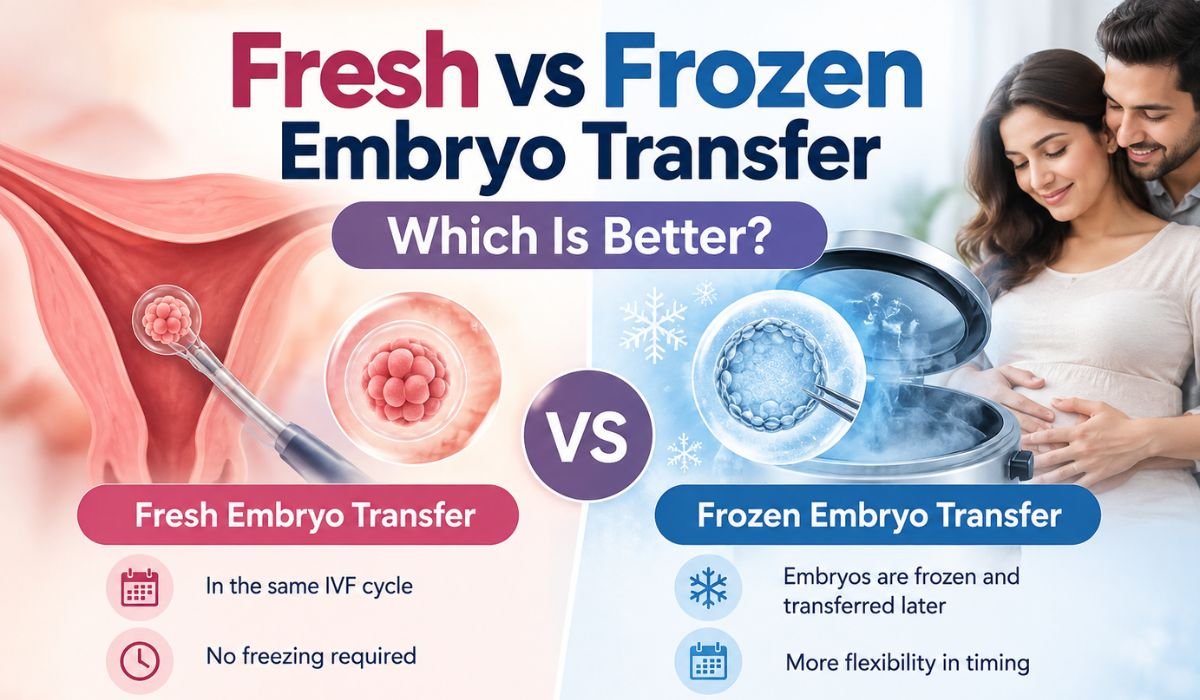
Frozen Embryo Transfer PCOS Strategy: This has become a game-changer. Instead of transferring a fresh embryo, all healthy embryos are frozen for transfer in a later cycle. This approach allows the body’s hormone levels, which can become very high during stimulation, to return to normal, creating a more natural and receptive environment for the embryo to implant.
While the PCOS egg quality IVF concern is valid, modern IVF protocols directly address it. The medications used are designed to support the final maturation process of the eggs. Furthermore, a technique called ICSI (Intracytoplasmic Sperm Injection) is often used, where a single sperm is injected directly into the egg, ensuring fertilization even if there are minor concerns about the egg’s shell.
A critical aspect of IVF for women with PCOS is managing the risk of Ovarian Hyperstimulation Syndrome (OHSS). OHSS risk in PCOS is higher because the ovaries are very responsive to fertility drugs and can develop too many follicles at once.
OHSS is a condition where the ovaries become swollen and painful. In severe cases, fluid can accumulate in the abdomen and chest. However, it is important to know that modern fertility medicine has made great strides in preventing OHSS.
How Doctors Prevent OHSS:
Individualized Dosing: As mentioned, starting with a low and slow ovarian stimulation PCOS protocol is the first line of defense.
Monitoring: Frequent ultrasounds and estradiol (E2) level checks help doctors see if the ovaries are responding too aggressively. If the risk is high, they can adjust the plan.
Trigger Shot Modification: The “trigger shot” that causes the final maturation of the eggs is usually hCG. In high-risk patients, doctors can use a different medication (a GnRH agonist) to trigger ovulation, which significantly reduces the chance of OHSS.
The “Freeze-All” Strategy: This is the most effective prevention method. By cancelling the fresh transfer and freezing all embryos (frozen embryo transfer PCOS), you eliminate the risk of late-onset OHSS, which can be triggered by a pregnancy from the fresh cycle.
Your active participation in the process can greatly improve your chances of IVF success. Treatment is a partnership between you and your doctor.
Before starting an IVF cycle, your doctor will likely emphasize the importance of lifestyle modifications. These steps can improve your metabolic health and, in turn, egg quality and response to medication. This is an essential part of any PCOS management plan.
Weight Management: Even a 5% reduction in body weight can significantly improve ovulation and hormonal balance.
Diet and Exercise: A balanced diet low in processed foods and sugars helps manage insulin resistance fertility issues. Regular exercise, even a daily walk, improves how your body uses insulin.
Supplements: Your doctor may recommend supplements like myo-inositol or Vitamin D to support egg health.
Metformin IVF PCOS: This medication helps improve the body’s sensitivity to insulin. For women with PCOS and insulin resistance, using metformin IVF PCOS protocols can help lower androgen levels, improve the response to stimulation medications, and potentially reduce the risk of miscarriage.
For women seeking the best IVF treatment for PCOS Agra, Rainbow IVF is recognized for its patient-centric and advanced approach. The team understands that PCOS requires a tailored strategy that prioritizes both safety and success. The specialists at Rainbow IVF Agra are well-versed in the latest evidence-based protocols for managing PCOS.
The approach focuses on:
Personalized Stimulation Protocols: Using low-dose medications and careful monitoring to optimize follicle growth while minimizing the OHSS risk in PCOS.
Advanced Monitoring: Tracking hormone levels and follicular development closely to make precise adjustments throughout the cycle.
Comprehensive Care: Addressing all aspects of PCOS, including metabolic health and lifestyle factors, to prepare the body for a successful pregnancy.
If you are looking for reliable fertility treatment options in North India, Rainbow IVF Agra offers the expertise and technology to guide you through your journey.
What is the IVF success rate for PCOS patients in India?
The success rate is very encouraging, especially for younger women. For those under 35, the PCOS IVF success rate can be between 40-50% per cycle, which is comparable to or even better than rates for other causes of infertility. You can check our detailed [IVF success rate] page for more statistics.
Can PCOS patients get pregnant in the first IVF attempt?
Yes, many women do achieve pregnancy in their first IVF PCOS first attempt. Success depends on individual factors like age, embryo quality, and uterine health, but a well-executed first cycle has a high chance of success.
Does high AMH affect IVF success?
Generally, high AMH levels PCOS are a positive indicator as they suggest a good supply of eggs. However, it requires careful management to avoid over-stimulation. With the right protocol, a high AMH is associated with higher success rates because it provides more opportunities to create healthy embryos. Learn more about how we handle this on our [infertility diagnosis] page.
Is IVF the best treatment for PCOS infertility?
IVF is one of the most effective treatments, but it is not always the first step. For many, ovulation induction with medication and lifestyle changes can work. IVF is typically recommended when these methods fail, offering the highest success rate per cycle by bypassing the issue of irregular ovulation entirely. For many couples, PCOS IVF treatment India offers one of the most effective paths to achieving pregnancy when other treatments fail.
Can insulin resistance affect fertility?
Absolutely. Insulin resistance fertility issues are a core part of PCOS for many women. High insulin levels can worsen hormonal imbalances and prevent ovulation. Managing insulin resistance through diet, exercise, and medication like metformin is a key part of fertility treatment.
What are common PCOS pregnancy complications?
Women with PCOS have a slightly higher risk of certain pregnancy complications, such as gestational diabetes, pregnancy-induced high blood pressure (pre-eclampsia), and a higher chance of C-section. However, with good prenatal care and monitoring, these risks can be managed effectively to ensure a healthy pregnancy and baby.
A diagnosis of PCOS is not a verdict of infertility. It is simply a sign that your path to pregnancy may require a little extra help and a specialized approach. As we have explored, PCOS and pregnancy India is not only possible but highly achievable with modern medical treatments like IVF.
By opting for a personalized IVF plan that carefully manages stimulation, mitigates the OHSS risk in PCOS, and addresses underlying factors like insulin resistance fertility, your chances of bringing home a healthy baby are excellent. For many couples, PCOS IVF treatment India offers one of the most effective paths to achieving pregnancy when other treatments fail.
The journey begins with a single step: seeking expert advice. An early fertility consultation can provide you with the clarity, confidence, and personalized roadmap you need to navigate this journey successfully and embrace the joy of parenthood.

Ph: +91-562-260-0537, +91-7060301888
Address: Rainbow IVF 4th Floor, Ujala Cygnus Rainbow Hospital, NH-19, Near Guru ka Taal, Gurudwara, Sikandra, Agra, Uttar Pradesh 282007


