
Blog
 14/03/2026
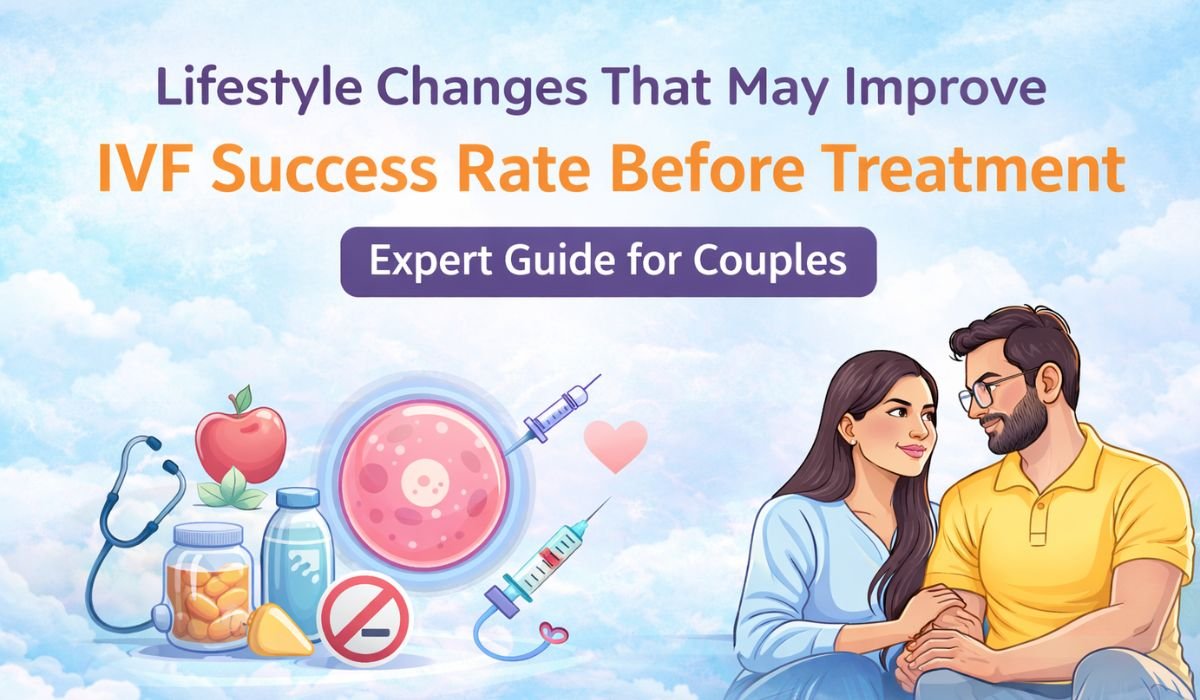
Bringing a new life into the world is a dream for many couples. When natural conception proves challenging, IVF (In Vitro Fertilization) offers a path forward. In India, where fertility treatments are becoming more accessible, many couples are turning to IVF treatment to build their families.
Many couples preparing for fertility treatment want to know how they can improve IVF success rate naturally. While medical technology plays the biggest role, lifestyle habits such as diet, sleep, and stress management can also influence reproductive health.
If you are preparing for IVF, you have likely come across the term “improve IVF success rate” in your research. This guide explains simple, practical lifestyle changes that may support your fertility journey. Remember, these changes do not guarantee pregnancy, but they help prepare your body and mind for the treatment ahead.
Medical Review: This article has been reviewed by experienced fertility specialists practicing in Agra, including Dr. Jaideep Malhotra and Dr. Narendra Malhotra, to ensure medical accuracy and helpfulness for couples considering fertility treatment.
IVF success rate depends on multiple factors. In India, success rates vary between fertility centres and depend on individual medical conditions. Generally, the chance of a live birth through IVF ranges from 30% to 45% for women under 35, and decreases gradually with advancing age.
Success is not just about the embryo transfer. It is about creating the right conditions for implantation and healthy pregnancy development. This is where lifestyle plays a supporting role.
Before discussing lifestyle changes, it helps to understand what affects IVF outcomes:
Age of the woman: Egg quality and quantity decline with age
Egg and sperm quality: Healthy gametes increase chances of good-quality embryos
Uterine health: The lining must be receptive for implantation
Hormonal balance: Proper levels support follicle growth and implantation
Underlying medical conditions: Issues like PCOS, endometriosis, or diabetes need management
Lifestyle factors: Nutrition, weight, stress, and habits affect fertility health
While you cannot control all these factors, focusing on fertility health tips for couples through lifestyle changes empowers you to take positive steps.
Making small, consistent changes in your daily routine can positively impact your fertility health. Here are seven practical steps to consider:
Weight plays a significant role in fertility. Both underweight and overweight conditions can disrupt hormonal balance and affect ovulation, sperm quality, and implantation.
For women: Excess body fat can lead to higher oestrogen levels, interfering with ovulation. Being underweight may cause irregular cycles.
For men: Obesity is linked to lower testosterone levels and poor sperm quality.
What you can do: Aim for a BMI between 18.5 and 24.9. Even losing 5–10% of body weight (if overweight) can improve hormonal function. Focus on gradual weight management rather than crash dieting before IVF.
Food is fuel for your cells, including eggs and sperm. A balanced diet provides the nutrients needed for hormone production and cellular health.
Diet and lifestyle for IVF success includes:
Eat enough protein: Include lentils, chickpeas, eggs, fish, and lean chicken
Choose healthy fats: Use ghee in moderation, eat nuts, seeds, and cook with mustard oil or olive oil
Load up on colourful vegetables: Spinach, carrots, pumpkin, and broccoli provide antioxidants
Include whole grains: Replace white rice and maida with brown rice, millets, and whole wheat
Stay hydrated: Drink 7–8 glasses of water daily
Foods to reduce: Cut back on sugary sweets, packaged namkeen, fried street food, and excessive tea or coffee.
The IVF journey can be emotionally challenging. Worrying about outcomes, financial pressure, and the physical process of treatment can cause stress. While stress alone does not cause infertility, high stress levels may affect hormone balance.
Simple stress management ideas:
Practice deep breathing for 5 minutes daily
Listen to calming music or podcasts
Talk openly with your partner about feelings
Consider counselling or support groups for couples undergoing fertility treatment
Avoid comparing your journey with others
Taking care of your mental health is not an extra task—it is part of the treatment itself.
This is one of the most important IVF success rate tips for both partners.
Smoking: Tobacco contains chemicals that damage egg DNA and accelerate egg loss in women. In men, smoking reduces sperm count and causes DNA fragmentation. Passive smoking is also harmful.
Alcohol: Regular drinking can disrupt menstrual cycles and reduce sperm quality. It may also affect implantation.
What to do: Stop smoking completely at least 3 months before starting IVF. Limit alcohol to occasional small amounts, or better, avoid it entirely during treatment cycles.
Sleep is when your body repairs tissues and balances hormones. Poor sleep can disrupt the release of melatonin and cortisol, which affect reproductive hormones.
Tips for better sleep:
Aim for 7–8 hours of sleep every night
Go to bed and wake up at the same time daily
Keep phones away 30 minutes before sleeping
Sleep in a dark, quiet room
Avoid heavy meals late at night
Good sleep hygiene supports overall well-being and energy levels during treatment.
Physical activity improves blood circulation, reduces stress, and helps maintain weight. However, balance is key during IVF.
Too little exercise: Can contribute to weight gain and sluggishness
Too much intense exercise: High-intensity workouts may affect ovulation and implantation
Safe exercise options:
Brisk walking for 30–40 minutes daily
Gentle yoga (avoid hot yoga and deep twists)
Stretching and breathing exercises
Swimming at a relaxed pace
Listen to your body. Some days you may feel tired—rest is equally important.
While internet research is helpful, your fertility specialist knows your specific medical history. Following their guidance is essential for safety and effectiveness.
Take prescribed supplements like folic acid or coenzyme Q10 only as advised
Attend all monitoring appointments
Inform your doctor about any medications you take for other conditions
Ask questions if something is unclear
Building trust with your medical team reduces confusion and helps you stay focused.
Timing matters. Eggs take about 90 days to mature before ovulation, and sperm development also takes around 70 days. This means lifestyle changes before IVF made today affect the eggs and sperm that will be used in IVF about three months later.
Ideal timeline:
3–6 months before IVF: Start making dietary and lifestyle changes
2–3 months before: Quit smoking, adjust weight, establish exercise routine
During IVF cycle: Maintain habits but avoid new intense routines
Starting early gives your body time to respond. Even small improvements in diet and stress management during the treatment cycle can support your overall health.
Lifestyle changes are powerful tools, but they are part of a larger picture. IVF success depends on many factors including age, medical history, and the quality of the fertility centre. Making healthy choices does not guarantee pregnancy, and no one should blame themselves if treatment is not successful.
What lifestyle changes do offer is a sense of control and participation in your journey. They help you feel stronger, more energetic, and mentally prepared. Whether this IVF cycle brings success or you need to explore other options, taking care of your health always benefits you.
Focus on progress, not perfection. Small steps like eating one extra vegetable serving, walking daily, or sleeping better add up over time. Support each other as a couple, celebrate small efforts, and stay hopeful.
Couples considering fertility treatment should always consult an experienced fertility specialist to understand their individual fertility condition and treatment options.
Research suggests that healthy lifestyle habits support fertility by improving egg and sperm quality, balancing hormones, and preparing the uterus for implantation. However, they work alongside medical treatment and do not replace it. Think of lifestyle changes as creating the best possible environment for IVF to work.
It is wise to reduce processed foods, sugary drinks, excessive caffeine, and raw or undercooked items like sushi or uncooked eggs (to prevent infection). Limit high-mercury fish such as tuna and shark. Traditional Indian sweets and fried snacks are best enjoyed occasionally rather than daily.
Light to moderate exercise is generally safe during the early part of your cycle. However, once egg retrieval approaches and after embryo transfer, your doctor will likely advise rest and avoiding strenuous activity. Always check with your clinic before continuing or starting any exercise during treatment.
Male fertility is equally important. Husbands should quit smoking, limit alcohol, eat a healthy diet with fruits and vegetables, avoid hot baths or tight underwear, and manage stress. Supporting the partner emotionally and sharing the lifestyle changes makes the journey easier for both.
Yes, age is one of the most significant factors. Women under 35 typically have higher success rates compared to women over 40. However, advances in fertility treatment help many couples across different age groups. Your fertility specialist can provide realistic expectations based on your specific situation.

Ph: +91-562-260-0537, +91-7060301888
Address: Rainbow IVF 4th Floor, Ujala Cygnus Rainbow Hospital, NH-19, Near Guru ka Taal, Gurudwara, Sikandra, Agra, Uttar Pradesh 282007


