Signs of Low Ovarian Reserve and When to See a Fertility Specialist

signs of low ovarian reserve

Ovarian reserve refers broadly to the remaining supply of eggs in the ovaries, and it naturally tends to decline with age. For many women, the idea of “low ovarian reserve” raises an immediate question: would I even know if this were happening to me?

The honest answer is that low ovarian reserve does not always cause obvious symptoms. A woman can have completely regular periods and still have diminished ovarian reserve. Fertility is influenced by many factors — not ovarian reserve alone — and tests such as Anti-Müllerian hormone (AMH) and antral follicle count (AFC) are far more reliable indicators than trying to “feel” a change in your body.

It’s also worth saying clearly at the outset: a low AMH result does not automatically mean pregnancy is impossible. Age remains an important factor in how any ovarian reserve result should be interpreted, and no single test tells the whole story.

This article walks through the possible clues associated with low ovarian reserve, the tests used to assess it, what a low result may (and may not) mean, and when it’s appropriate to speak with a fertility specialist.

What Is Ovarian Reserve?

Ovarian reserve is a term used to describe the number of eggs remaining in the ovaries at a given point in time. Every woman is born with a finite number of eggs, and this number declines gradually over the course of her reproductive life — more rapidly as she approaches her late 30s and 40s.

It’s important to separate two related but distinct ideas:

  • Egg quantity — how many eggs remain in the ovaries
  • Egg quality — how genetically and structurally capable those eggs are of resulting in a healthy pregnancy

Both tend to decline with age, but not always at the same rate, and ovarian reserve testing mainly speaks to quantity rather than quality.

It’s also worth understanding that ovarian reserve is different from ovulation. A woman can continue to ovulate — release an egg — on a regular monthly basis even while her overall reserve is diminished. This is one reason diminished ovarian reserve can be difficult to notice without testing.

Ovarian reserve tests primarily provide information about how the ovaries are likely to respond to stimulation and give an estimate of egg quantity. They are not a guarantee of whether someone will or will not become pregnant, and results should always be considered alongside age, medical history, and clinical examination.

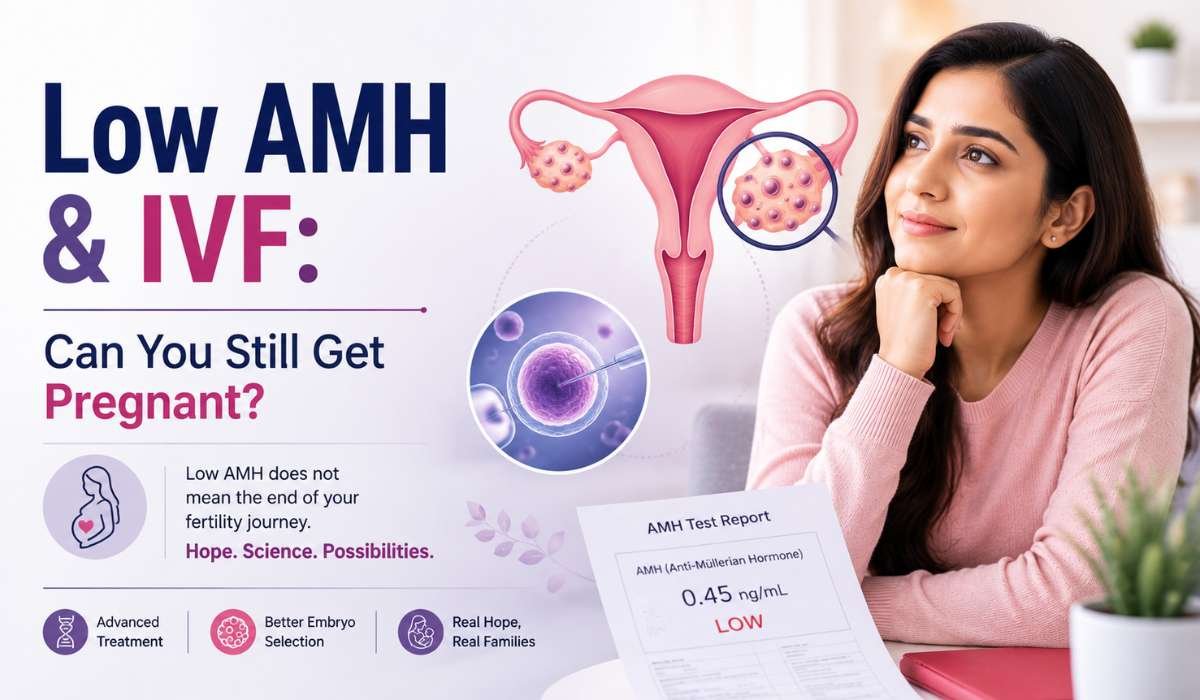
For a more detailed look at how one specific marker — AMH — relates to fertility treatment, see Rainbow IVF’s low AMH and IVF guide, which covers AMH levels, AFC, and individualized treatment planning in more depth.

Can Low Ovarian Reserve Cause Symptoms?

This is one of the most important questions to address directly: in most cases, low ovarian reserve does not have specific or reliable symptoms.

Consider the following:

  • Menstrual cycles may remain entirely regular.
  • Ovulation may continue to occur as expected.
  • There is often no obvious physical warning sign.
  • For many women, difficulty conceiving is the first indication that prompts an evaluation.
  • Laboratory and ultrasound testing are generally far more useful than attempting to identify symptoms on your own.

This is worth repeating because it’s a common misconception: the absence of symptoms does not mean ovarian reserve is normal, and the presence of a symptom below does not confirm that it is low. Testing, not self-diagnosis, is the appropriate path forward.

Possible Signs and Clues Associated With Low Ovarian Reserve

The following are circumstances or clues that may reasonably prompt a fertility evaluation — they are not diagnostic symptoms on their own, and none of them confirms diminished ovarian reserve without proper testing.

Difficulty Conceiving

Taking longer than expected to conceive — particularly when combined with increasing age or other known fertility factors — is one of the more common reasons women pursue a fertility evaluation, including ovarian reserve testing.

Age-Related Fertility Decline

Both egg quantity and egg quality generally decline with age, with a more noticeable change typically seen from the late 30s onward. There is no single “safe age” that applies universally, and every individual’s fertility timeline is different, which is why age is considered alongside — not instead of — testing.

Shorter or Changing Menstrual Cycles

Some women notice their cycles becoming shorter or more variable over time. While this can sometimes be associated with changes in ovarian reserve, menstrual cycle changes have many possible causes and do not independently diagnose diminished ovarian reserve.

Previous Ovarian Surgery

Certain ovarian procedures — such as surgery for cysts, endometriomas, or other ovarian conditions — may affect the tissue and egg supply in the ovary. If you’ve had ovarian surgery in the past, this is worth discussing with a fertility specialist, particularly if you’re planning a pregnancy.

History of Certain Medical Treatments

Some medical treatments, including certain chemotherapy or radiation regimens used in cancer treatment, can affect ovarian function. Anyone with a history of such treatment who is considering pregnancy may benefit from a dedicated fertility evaluation.

Previous Poor Response During Fertility Treatment

If a previous cycle of ovarian stimulation resulted in a lower-than-expected number of follicles or eggs retrieved, this may prompt a more detailed ovarian reserve assessment for future treatment planning.

What Are the Main Tests for Low Ovarian Reserve?

AMH Test

Anti-Müllerian hormone (AMH) is a hormone produced by small follicles in the ovaries, and it is one of the most commonly used markers of ovarian reserve. It can be measured with a simple blood test at almost any point in the menstrual cycle, which makes it convenient in clinical practice.

AMH gives an estimate of the pool of eggs remaining in the ovaries and can help a fertility specialist anticipate how the ovaries may respond to stimulation medications. However, AMH should not be interpreted in isolation — it does not measure egg quality, and it is only one part of a broader fertility assessment.

Antral Follicle Count (AFC)

Antral follicle count is measured using a transvaginal ultrasound, typically performed early in the menstrual cycle. The ultrasound counts the small, visible follicles in each ovary, which gives another estimate of ovarian response potential.

AFC and AMH are often considered together, since they measure related but not identical aspects of ovarian reserve, and combining them can give a fertility specialist a more complete picture than either test alone.

FSH and Other Hormone Tests

Follicle-stimulating hormone (FSH), often measured alongside estradiol early in the cycle, is another test sometimes used to assess ovarian function. Like AMH, an FSH result should not be treated as a definitive or standalone prediction of fertility — it is one data point that is interpreted within the context of the full clinical picture.

Medical History and Ultrasound

Beyond blood tests, a fertility specialist typically considers a range of factors, including:

  • Age
  • Menstrual history
  • Previous pregnancies
  • Previous fertility treatment
  • History of ovarian surgery
  • Ultrasound findings
  • AMH and AFC results
  • The partner’s fertility factors, where applicable

What Does a Low AMH Result Mean?

A low AMH result can suggest reduced ovarian reserve, but on its own, it should not be interpreted as a standalone prediction of natural pregnancy or IVF outcome.

A few points are worth keeping in mind:

  • Low AMH does not mean no chance of pregnancy. Many women with low AMH results do conceive, either naturally or with treatment.
  • AMH is not a complete fertility test. It reflects egg quantity, not egg quality, and does not assess other important factors such as tubal patency or partner fertility.
  • Age matters. The same AMH value can carry different clinical implications depending on a woman’s age.
  • Egg quantity and egg quality are different things, and AMH speaks primarily to the former.
  • AFC and clinical history add important context that a single AMH number cannot provide on its own.
  • A fertility specialist should interpret the complete picture rather than a single result in isolation.

What Causes Low Ovarian Reserve?

Several factors can contribute to diminished ovarian reserve, including:

  • Natural age-related decline
  • Certain ovarian conditions (such as endometriomas)
  • Previous ovarian surgery
  • Some medical treatments, including certain cancer therapies
  • Genetic or chromosomal factors in some cases
  • Other individual factors that vary from person to person

It’s important to be clear that lifestyle factors alone do not cause — or reverse — diminished ovarian reserve, and there is no supplement proven to reliably increase egg count. Anyone considering supplements for fertility support should discuss this with a fertility specialist rather than relying on unverified claims.

When Should You See a Fertility Specialist?

Earlier evaluation can be appropriate whenever there are known or suspected fertility concerns. Situations that may warrant seeing a fertility specialist include:

  • Trying to conceive for an extended period without success
  • Being 35 or older with fertility concerns
  • Irregular or absent periods
  • A previously diagnosed ovarian or reproductive condition
  • A history of ovarian surgery
  • A history of cancer treatment
  • Repeated unsuccessful fertility treatment cycles
  • A concerning AMH or AFC result
  • Concern about declining fertility with age
  • Interest in exploring fertility preservation options

If any of these apply to you, it’s generally more helpful to seek evaluation earlier rather than later, since ovarian reserve testing and treatment planning both benefit from timely information.

It’s worth noting that irregular periods can also stem from unrelated reproductive conditions such as PCOS, which typically involves a different hormonal picture than diminished ovarian reserve. If irregular cycles are your main concern, Rainbow IVF’s PCOS and pregnancy guide explains how that condition is evaluated and treated separately.

What Happens During a Fertility Consultation?

A fertility consultation is typically a starting point for understanding your individual situation rather than a single test result. During the visit, a fertility specialist may:

  • Review your medical and reproductive history
  • Discuss your menstrual cycle patterns
  • Review any previous pregnancy history
  • Assess or order ovarian reserve testing (AMH, AFC)
  • Perform or recommend an ultrasound
  • Consider other relevant fertility factors
  • Evaluate the male partner’s fertility where appropriate
  • Discuss possible treatment or fertility-preservation options
  • Explain realistic next steps based on your specific situation

If you’d like to discuss your ovarian reserve or broader fertility concerns with a specialist, you can book an appointment with Rainbow IVF for a personalized consultation.

Can Low Ovarian Reserve Be Treated?

Ovarian reserve itself cannot simply be “restored” through a guaranteed treatment — there is currently no proven method to reverse diminished ovarian reserve. Instead, treatment planning focuses on working with the reserve a woman currently has, taking into account:

  • Age
  • Ovarian reserve results
  • Personal fertility goals
  • Duration of infertility
  • Previous treatment history
  • Partner’s fertility factors
  • Number and quality of embryos, where applicable

Depending on individual circumstances, a fertility specialist may discuss options such as:

  • Trying naturally for an appropriate period of time
  • Ovulation-related treatment when clinically indicated
  • Intrauterine insemination (IUI) in selected cases
  • In vitro fertilization (IVF)
  • Fertility preservation, such as egg freezing, when appropriate
  • Other individualized reproductive options

No treatment, including IVF, can guarantee overcoming low ovarian reserve — outcomes vary from person to person, and a specialist can help set realistic expectations based on your specific results.

Low Ovarian Reserve and IVF: What Should You Expect?

IVF may be considered for some women with diminished ovarian reserve, though it’s important to understand that ovarian response during IVF can vary considerably from one person to another, and even from one cycle to another for the same person.

A few realistic expectations:

  • The number of eggs retrieved during a stimulation cycle is not guaranteed and depends on individual ovarian response.
  • Treatment protocols are typically individualized rather than one-size-fits-all.
  • Age and embryo quality remain important factors alongside ovarian reserve.
  • Multiple factors — not ovarian reserve alone — influence overall IVF outcomes.

For readers exploring treatment locally, Rainbow IVF offers IVF treatment in Agra with individualized stimulation protocols based on each patient’s ovarian reserve and clinical history. You may also find Rainbow IVF’s low AMH and IVF treatment article helpful for a deeper look at how stimulation is tailored for women with lower AMH levels.

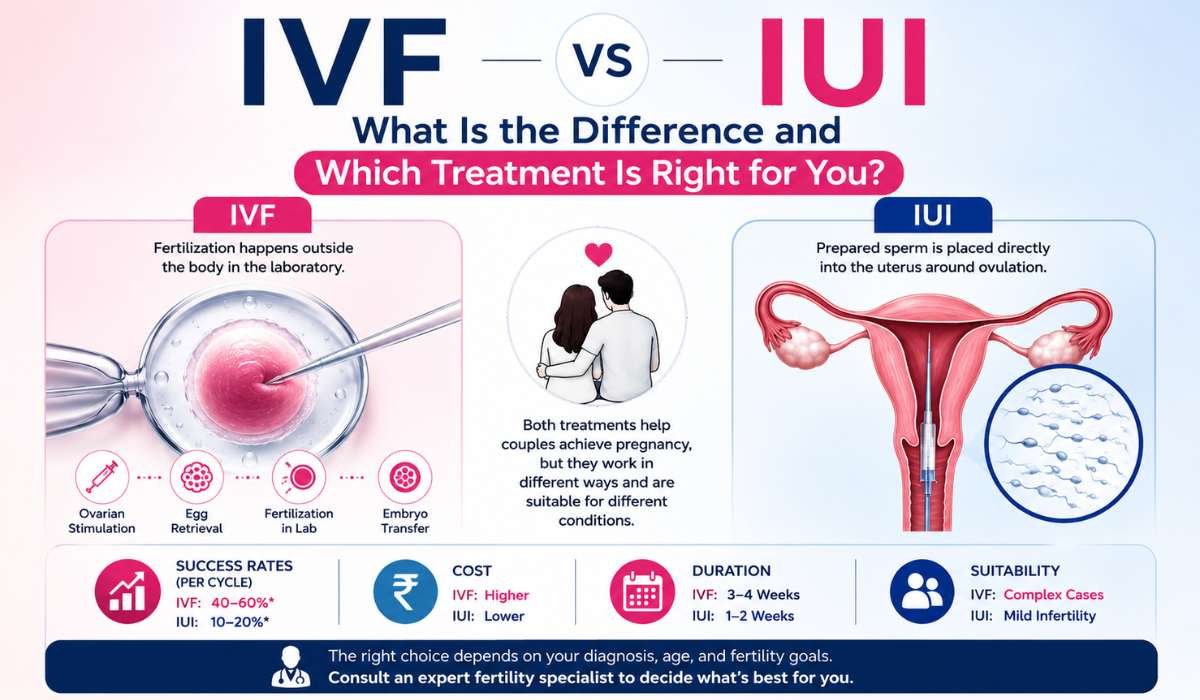
If you’re also weighing IUI against IVF as a starting point, Rainbow IVF’s IVF vs IUI comparison explains how the two approaches differ and which situations tend to favor one over the other.

Low Ovarian Reserve vs Early Menopause — Are They the Same?

These are related but distinct concepts, and it’s a common point of confusion.

  • Diminished ovarian reserve does not automatically mean a woman is approaching menopause.
  • A woman with reduced ovarian reserve may continue to menstruate and ovulate normally for years.
  • Early or premature menopause is a distinct clinical diagnosis that requires proper medical evaluation, including specific hormone testing and a review of symptoms over time.

If you’re concerned about early menopause specifically — for example, due to prolonged absence of periods or menopausal-type symptoms at a younger age — this should be evaluated directly by a specialist rather than inferred from an ovarian reserve test alone.

Frequently Asked Questions

What are the first signs of low ovarian reserve?

In most cases, there are no reliable early signs. Some women notice shorter or more variable menstrual cycles, but many have no noticeable changes at all. Difficulty conceiving is often what first prompts testing, which is why AMH and AFC testing are more dependable than watching for symptoms.

Can you have low ovarian reserve with regular periods?

Yes. Regular menstrual cycles do not rule out diminished ovarian reserve, since ovulation can continue even as the overall number of remaining eggs declines. This is one reason testing is recommended rather than relying on cycle regularity alone.

Can low AMH mean infertility?

Not necessarily. A low AMH result suggests a reduced egg quantity, but many women with low AMH still conceive, either naturally or with fertility treatment. AMH should be considered alongside age and other fertility factors, not as a standalone verdict.

How is low ovarian reserve diagnosed?

It is typically assessed using a combination of an AMH blood test, an antral follicle count via ultrasound, and sometimes additional hormone tests like FSH. A fertility specialist interprets these results together with age and medical history rather than relying on any single test.

Is AMH the only test for ovarian reserve?

No. While AMH is commonly used, antral follicle count (AFC) via ultrasound and FSH testing are also used, often together, to build a more complete picture of ovarian reserve and expected treatment response.

Can ovarian reserve improve naturally?

There is no proven method to increase egg quantity naturally or through supplements. Ovarian reserve generally follows a natural age-related decline, and treatment planning focuses on working with a woman’s current reserve rather than attempting to reverse it.

Can I get pregnant naturally with low ovarian reserve?

It’s possible for many women with diminished ovarian reserve to conceive naturally, particularly if ovulation continues and there are no other significant fertility factors involved. Individual chances vary and are best discussed with a fertility specialist.

Is IVF recommended for low ovarian reserve?

IVF may be one option considered for some women with diminished ovarian reserve, depending on age, clinical history, and personal fertility goals. It is not automatically recommended for everyone, and a specialist can help determine whether it’s an appropriate option for your situation.

When should I see a fertility specialist?

It’s reasonable to see a specialist if you’ve been trying to conceive without success, are 35 or older with fertility concerns, have irregular periods, have a history of ovarian surgery or cancer treatment, or have received a concerning AMH or AFC result.

Does age affect ovarian reserve?

Yes. Ovarian reserve naturally declines with age, with a more noticeable decrease typically seen from the late 30s onward. Age is one of the most important factors considered alongside AMH and AFC results.

Final Takeaway

Low ovarian reserve may not cause any obvious symptoms, and testing is a far more reliable path to understanding your fertility than trying to identify signs on your own. AMH and AFC can provide useful information, but results need to be interpreted alongside your age and overall medical history — not in isolation. Importantly, a low AMH result does not automatically mean pregnancy is impossible.

If you have concerns, it’s generally better to seek individualized medical advice sooner rather than delaying evaluation.

If you are concerned about low ovarian reserve, AMH, declining fertility, or difficulty conceiving, a fertility consultation can help you understand your options and decide on the next appropriate step. Book an appointment with Rainbow IVF to speak with a fertility specialist about your individual situation.

This article is intended for general educational purposes and does not replace individualized medical advice. Please consult a qualified fertility specialist for guidance specific to your situation.
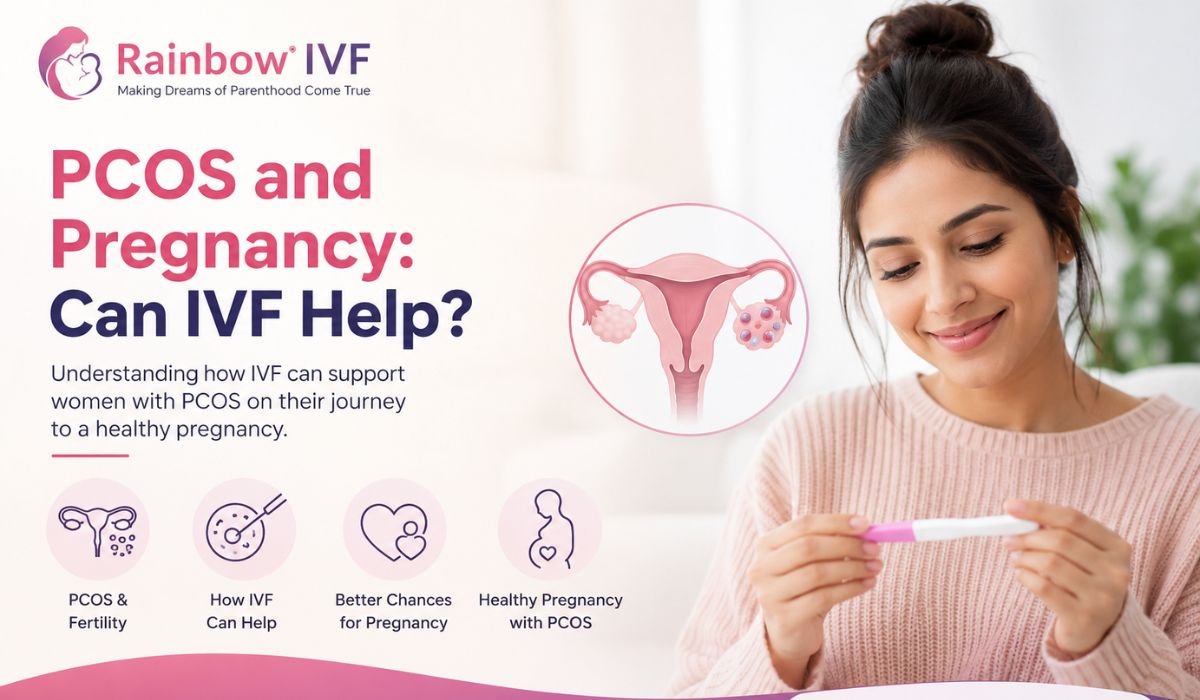
PCOS and Pregnancy: Can IVF Help?

Can PCOS affect pregnancy? Learn how PCOS impacts fertility

Medically Reviewed By: Prof. Dr. Jaideep Malhotra, Director – ART, Rainbow IVF & Head, Department of Reproductive Medicine, Ujala Cygnus Rainbow Hospital, Agra

If you have recently been diagnosed with PCOS (Polycystic Ovary Syndrome) and are wondering what it means for your chances of getting pregnant, you are not alone — and you are not without options. PCOS is one of the most common hormonal conditions affecting women of reproductive age, and while it can make conception more challenging, it does not automatically mean infertility.

Many women with PCOS conceive naturally, some need a gentle nudge from ovulation-supporting medication, and others benefit from more advanced fertility treatment such as IUI or IVF. IVF may be considered when other approaches have not worked, or when additional fertility factors are involved — but it is not the automatic first step for every woman with PCOS. This article walks you through how PCOS affects fertility, when treatment may be recommended, and how IVF fits into the picture.

Can Women With PCOS Get Pregnant?

Yes — many women with PCOS get pregnant, both naturally and with medical support. PCOS is a hormonal condition in which the ovaries may develop multiple small follicles and struggle to release an egg regularly each month. This irregular or absent ovulation is the main reason PCOS is linked to fertility difficulty, rather than the condition making pregnancy impossible.

Because ovulation may not happen every cycle, periods are often irregular, unpredictable, or occasionally absent, which can make it harder to time conception. However, PCOS affects every woman differently. Some ovulate fairly regularly and conceive without treatment, while others need help re-establishing a predictable pattern. This variation is exactly why fertility care for PCOS should never be one-size-fits-all — an individual evaluation is the starting point, not assumptions based on the diagnosis alone.

How Does PCOS Affect Fertility?

PCOS can influence fertility through several interconnected factors, though not every woman experiences all of them:

  • Irregular or absent ovulation (anovulation): When an egg is not released consistently, there are fewer chances to conceive naturally each month.
  • Hormonal imbalance: Elevated levels of androgens and disrupted signalling between the brain and ovaries can interfere with normal follicle development.
  • Irregular menstrual cycles: Unpredictable cycles make it harder to identify a fertile window.
  • Insulin resistance: In some women, insulin resistance is associated with PCOS and can further affect hormonal balance and ovulation, though this is not present in every case.
  • Follicle development issues: The ovaries may contain many small follicles that do not mature and release an egg as expected.
  • Age and other fertility factors: As with any woman trying to conceive, age, ovarian reserve, and any additional fertility issues (in either partner) also influence the overall chances of pregnancy.

It’s worth emphasising that having PCOS does not mean a woman will experience every one of these challenges. A proper fertility evaluation helps identify which factors are actually relevant to your individual situation.

When Should a Woman With PCOS Consider Fertility Treatment?

Not every woman with PCOS needs fertility treatment to conceive. However, it may be worth consulting a fertility specialist if:

  • You have been trying to conceive for six months to a year (or sooner if you are over 35) without success
  • Your periods are consistently irregular or absent, suggesting infrequent ovulation
  • A previous course of ovulation-induction medication did not lead to pregnancy
  • You have undergone a few cycles of IUI without success, where this was clinically appropriate
  • There are additional fertility concerns, such as issues with sperm parameters, tubal factors, or ovarian reserve
  • Age-related fertility considerations make earlier evaluation advisable
  • You have had fertility treatment in the past and want to explore the next steps

Every treatment decision should be based on a complete and individualised fertility evaluation — not simply the presence of a PCOS diagnosis. A fertility specialist will look at your full history, ovulation pattern, partner’s fertility factors, and any previous treatment before recommending a path forward.

Can IVF Help With PCOS?

Yes, IVF can help many women with PCOS, particularly when irregular ovulation, previous unsuccessful treatment, or additional fertility factors are part of the picture. IVF essentially allows doctors to take over and closely manage the steps that may not be happening reliably on their own.

During IVF, the ovaries are stimulated with fertility medication under close monitoring, mature eggs are retrieved, fertilised with sperm in the laboratory, and allowed to develop into embryos before one is selected for transfer to the uterus. Because this process does not depend on the body releasing an egg naturally each month, it can help bypass the ovulation-related hurdles that PCOS often creates.

That said, IVF is not automatically required simply because someone has PCOS. Many women achieve pregnancy through simpler approaches first, such as lifestyle adjustments, ovulation-induction medication, or timed intercourse, with IVF reserved for situations where these have not worked or where the overall fertility evaluation points toward it. To understand the full clinical process in detail, you can read more about IVF Treatment as offered at Rainbow IVF. If you would like a deeper, PCOS-specific look at this pathway, our dedicated guide on PCOS and IVF treatment covers it in more detail.

What Happens During IVF for Women With PCOS?

While every IVF journey is personalised, the broad steps typically include:

  1. Initial fertility evaluation — reviewing your medical history, hormone levels, ovarian reserve, and any previous treatment.
  2. Individualised ovarian stimulation — a carefully chosen medication protocol, since women with PCOS often have a higher number of follicles and can respond strongly to stimulation.
  3. Ultrasound and hormone monitoring — regular scans and blood tests to track follicle growth and adjust medication as needed.
  4. Trigger medication when appropriate — timed to help the eggs reach final maturity before retrieval.
  5. Egg retrieval — a minor procedure to collect the mature eggs from the ovaries.
  6. Fertilisation in the laboratory — eggs are fertilised with sperm using standard IVF or ICSI techniques, depending on the case.
  7. Embryo development — fertilised eggs are cultured and monitored over several days.
  8. Embryo transfer or freezing — a suitable embryo is transferred, or embryos may be frozen for a later transfer when clinically appropriate.
  9. Pregnancy testing and follow-up — a blood test confirms pregnancy, followed by continued monitoring.

Because women with PCOS can respond strongly to ovarian stimulation, careful, individualised monitoring is especially important throughout this process. Your fertility team will adjust medication and timing based on how your body responds, rather than following a fixed protocol. Specific medication choices and dosages are a decision made between you and your fertility specialist based on your individual profile.

Is IVF the First Treatment for PCOS Infertility?

Not usually. IVF is one of several options available, and the right starting point depends on your complete fertility evaluation. Depending on individual circumstances, a fertility specialist may consider:

  • Lifestyle and metabolic management, where relevant, as a supportive first step
  • Ovulation induction with medication to encourage regular egg release
  • Timed intercourse, guided by ovulation tracking
  • IUI (Intrauterine Insemination), placing prepared sperm directly into the uterus around the time of ovulation
  • IVF, when other approaches have not been successful or additional fertility factors are present

Understanding how these options differ can help you have a more informed conversation with your doctor — our comparison of IVF vs IUI explains the differences in approach and when each may be considered. Ultimately, the appropriate treatment sequence is decided based on your ovulation pattern, age, duration of infertility, and any other fertility factors identified during evaluation — not on a fixed rule for every PCOS diagnosis.

What Affects IVF Success in Women With PCOS?

PCOS alone does not determine how successful IVF will be for a particular individual. Several factors influence outcomes, including:

  • Age
  • Ovarian reserve
  • Egg quality
  • Embryo quality
  • Uterine health
  • Sperm quality
  • Metabolic and hormonal health
  • Any previous fertility treatment
  • The quality of the IVF laboratory and embryology team
  • How an individual’s body responds to stimulation

Because these factors vary so much from person to person, a meaningful success estimate isn’t possible without a personal fertility evaluation. A fertility specialist can review your specific profile and give you a realistic, individualised sense of what to expect, rather than a generic figure.

Can PCOS Increase the Risk of Pregnancy Complications?

PCOS has been associated with a somewhat higher likelihood of certain pregnancy-related concerns, such as gestational diabetes or blood pressure changes during pregnancy, in some women. However, risk varies considerably between individuals, and having PCOS does not mean complications are inevitable.

The most reassuring step you can take is consistent, appropriate prenatal care. Regular monitoring allows your medical team to identify and manage any concerns early, which generally supports a smoother pregnancy. If you have PCOS and are pregnant or planning pregnancy, discuss your individual risk profile with your obstetrician rather than relying on general information alone.

How Can Women With PCOS Prepare for Pregnancy?

While every plan should be guided by your own doctor, some general habits that support fertility and overall health include:

  • Maintaining a healthy, balanced lifestyle as advised by your care team
  • Following your fertility specialist’s specific recommendations closely
  • Managing any existing medical conditions, such as thyroid issues or insulin resistance, under medical supervision
  • Taking prescribed medications exactly as directed
  • Attending all recommended fertility evaluations and follow-up appointments
  • Avoiding self-medication or unsupervised use of fertility or hormonal supplements
  • Keeping up with regular medical follow-up, even once a treatment plan is underway

These habits support your overall fertility journey, but they work best alongside — not instead of — guidance from a qualified fertility specialist who knows your medical history.

Why Choose Rainbow IVF for PCOS-Related Fertility Care in Agra?

Rainbow IVF is an Agra-based fertility centre that focuses on individualised fertility care, including for women navigating PCOS-related fertility concerns. Rather than applying a single approach to every patient, the team evaluates each woman’s ovulation pattern, hormonal profile, and overall fertility picture before recommending a path forward.

As a dedicated IVF Centre in Agra, Rainbow IVF brings together fertility evaluation, ovulation management, and advanced ART services under one roof, with PCOS recognised as one of the common conditions for which these treatments may be considered. If you are in Agra or nearby and exploring your options for PCOS-related fertility care, an individualised evaluation is the most reliable way to understand what applies to you specifically.

When Should You See a Fertility Specialist for PCOS?

Consider booking a consultation with a fertility specialist if:

  • You have irregular, infrequent, or absent periods and are trying to conceive
  • You have been trying to conceive for six months to a year without success (or sooner if you are over 35)
  • You have already tried ovulation-induction medication without success
  • You have completed a few cycles of IUI without a successful pregnancy
  • You are unsure whether PCOS is affecting your fertility and want clarity
  • You simply want to understand your options before starting a family

Having PCOS does not mean you cannot become a mother. The right treatment depends on your individual fertility profile, and a fertility specialist can help determine whether natural conception, ovulation treatment, IUI, IVF, or another approach is appropriate for you.

Frequently Asked Questions

Can women with PCOS get pregnant naturally?

 Yes, many women with PCOS conceive naturally, especially if they ovulate regularly or with minor lifestyle support. Since PCOS affects ovulation differently in each woman, some conceive without treatment while others benefit from medical support. A fertility evaluation can clarify your individual situation.

Is IVF successful for PCOS patients?

IVF can be an effective option for many women with PCOS, but success depends on individual factors like age, egg quality, ovarian reserve, and overall health rather than PCOS alone. A fertility specialist can assess your specific profile rather than relying on general statistics.

Is IVF the first treatment for PCOS infertility?

No, IVF is usually not the first step. Doctors often consider lifestyle support, ovulation-induction medication, timed intercourse, or IUI first, moving to IVF when these approaches haven’t worked or additional fertility factors are involved.

When should a woman with PCOS see a fertility specialist?

If you’ve been trying to conceive for six months to a year without success, have persistently irregular ovulation, or have tried treatment before without success, it’s a reasonable time to consult a fertility specialist for a proper evaluation.

Does PCOS affect IVF success?

PCOS itself doesn’t determine IVF outcomes on its own. Factors such as age, egg and embryo quality, uterine health, and response to stimulation play a bigger role. Women with PCOS may also respond strongly to stimulation, so careful monitoring matters.

Can PCOS cause irregular ovulation?

Yes, PCOS commonly causes irregular or absent ovulation due to hormonal imbalance, which is one of the main reasons it can make conception more difficult. However, the degree of irregularity varies significantly between individuals.

Is pregnancy after IVF safe for women with PCOS?

Pregnancy after IVF can be safe with appropriate prenatal care and monitoring. Women with PCOS may have a somewhat higher likelihood of certain pregnancy-related concerns, so regular check-ups with your obstetrician are recommended.

What fertility treatments are available for women with PCOS?

Options include lifestyle and metabolic support, ovulation-induction medication, timed intercourse, IUI, and IVF. The right choice depends on your individual fertility evaluation, not a fixed rule based on the PCOS diagnosis alone.


Endometriosis and Fertility: Can You Get Pregnant?

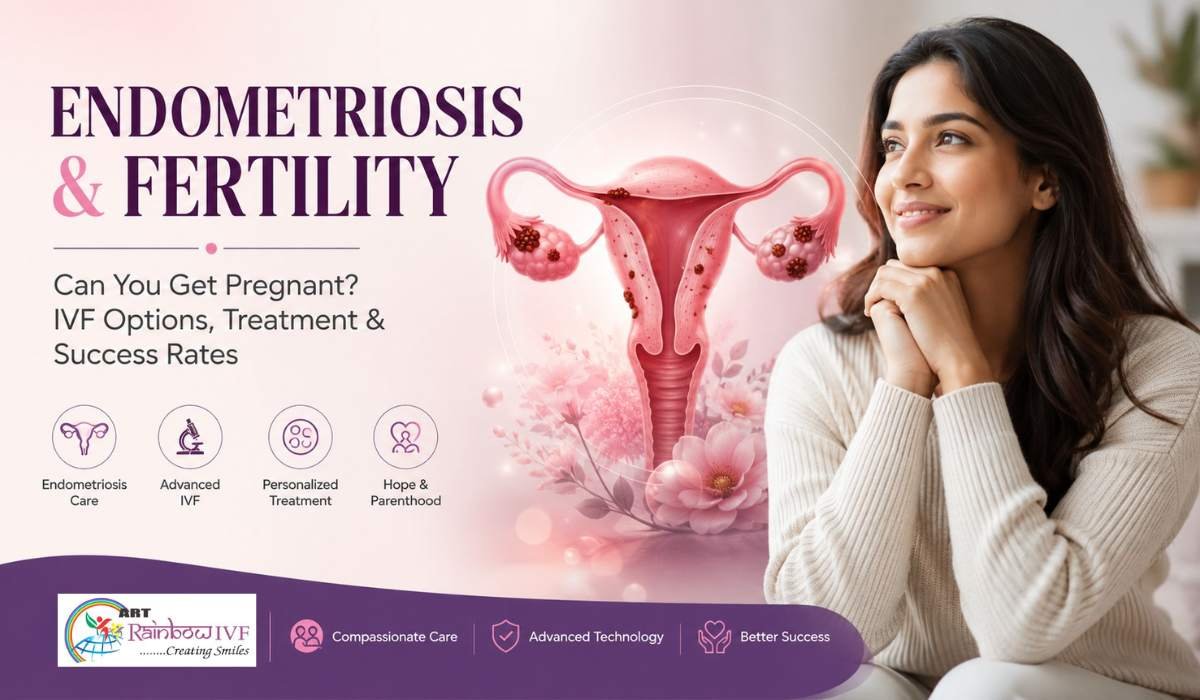
Illustration showing endometriosis affecting the uterus with a hopeful woman, representing fertility treatment, IVF options, and pregnancy after endometriosis.

Endometriosis and Fertility: Can You Get Pregnant? IVF Options, Treatment & Success Rates

By Dr. Neharika Malhotra  |  Senior Infertility & Endoscopy Consultant, Rainbow IVF Agra

Reviewed by: Prof. Dr. Jaideep Malhotra  |  Director ART, Rainbow IVF  |  Published: July 2026  |  Reading Time: 13 min

⚡ Quick Answer — Can You Get Pregnant with Endometriosis?

Yes, many women with endometriosis do get pregnant — either naturally or with fertility treatment. However, endometriosis can reduce fertility depending on its stage and location. Mild endometriosis (Stage I-II) often allows natural conception, while moderate to severe endometriosis (Stage III-IV) may require IUI, IVF, or laparoscopic surgery to improve pregnancy chances. With proper treatment at a skilled fertility centre, IVF success rates for endometriosis patients are comparable to those without the condition.

If you have been diagnosed with endometriosis and are worried about your ability to conceive, you are not alone. Endometriosis affects approximately 1 in 10 women of reproductive age worldwide — and it is one of the most common reasons women visit a fertility clinic.

At Rainbow IVF Agra, we treat endometriosis-related infertility as a complex, individual challenge — not a single-size problem. Our team combines advanced laparoscopic surgery with IVF, fertility preservation, and personalised protocols to give each patient the best possible path to parenthood. This guide covers everything you need to know.

1. What is Endometriosis?

Endometriosis is a condition where tissue similar to the lining of the uterus (endometrium) grows outside the uterus — on the ovaries, fallopian tubes, pelvic lining, or other organs. Unlike normal uterine lining, this tissue has no way to exit the body during menstruation, causing inflammation, scarring, and cysts (endometriomas).

Common Symptoms

  • Painful, heavy periods (dysmenorrhoea)
  • Pelvic pain — especially during or after intercourse
  • Pain during bowel movements or urination (especially during periods)
  • Chronic lower back or pelvic pain
  • Bloating, fatigue, and nausea around the menstrual cycle
  • Difficulty conceiving — in some cases, infertility is the only symptom

💡 Important

Endometriosis is often underdiagnosed in India. Many women are told their painful periods are ‘normal’ for years before receiving a correct diagnosis. If you have severe menstrual pain combined with difficulty conceiving, please consult a gynaecologist or fertility specialist promptly — early diagnosis significantly improves treatment outcomes.

2. How Does Endometriosis Affect Fertility?

Endometriosis affects fertility through several mechanisms: it can block or damage the fallopian tubes, impair egg quality, reduce ovarian reserve, create a hostile environment for sperm or embryo implantation, and cause inflammation that interferes with fertilization. Approximately 30-50% of women with endometriosis experience some degree of fertility difficulty.

Here are the specific ways endometriosis can affect your ability to conceive:

2.1 Damaged or Blocked Fallopian Tubes

Scar tissue and adhesions from endometriosis can block or distort the fallopian tubes, preventing eggs from traveling from the ovary to the uterus. In these cases, natural conception becomes very difficult or impossible, and IVF treatment — which bypasses the fallopian tubes entirely — is the most effective route to pregnancy.

2.2 Damaged Ovarian Reserve (Endometriomas)

Ovarian endometriomas (“chocolate cysts”) form when endometriosis tissue grows on or inside the ovaries. These cysts can damage the surrounding healthy ovarian tissue and reduce the number of eggs available — lowering AMH levels. Surgical removal of endometriomas must be done carefully to avoid further reducing ovarian reserve.

2.3 Impaired Egg Quality

The inflammatory environment created by endometriosis can impair egg quality and embryo development. Research shows that women with endometriosis may have higher rates of chromosomal abnormalities in their eggs, which is why Genetic Screening before embryo transfer is sometimes recommended.

2.4 Poor Uterine Receptivity and Implantation

Endometriosis can alter the uterine lining environment, making it harder for embryos to implant successfully. This may contribute to Recurrent Implantation Failure and Recurrent Miscarriages in women with endometriosis.

2.5 Inflammation and Hostile Pelvic Environment

Endometriosis causes chronic pelvic inflammation that can affect sperm motility, fertilization, and early embryo development — even before any structural damage becomes visible on imaging.

3. Stages of Endometriosis — and How Each Affects Fertility

Endometriosis is classified into four stages by the American Society for Reproductive Medicine (ASRM), based on the extent and location of the disease. Stage does not always correlate with pain severity, but it does influence fertility and treatment choices.

Stage Severity What It Means Impact on Fertility
Stage I Minimal Small, superficial implants on pelvic lining Mild — natural conception often possible; fertility may be slightly reduced
Stage II Mild Deeper implants, small adhesions Moderate reduction; IUI or timed intercourse with monitoring recommended
Stage III Moderate Multiple deep implants, endometriomas on ovaries, more adhesions Significant reduction; IVF or laparoscopy before IVF strongly recommended
Stage IV Severe Extensive adhesions, large ovarian cysts, distorted anatomy Most severe impact; IVF after expert surgical evaluation is the typical approach


Stage alone does not predict your personal fertility outcome. A woman with Stage IV endometriosis may conceive naturally, while someone with Stage I may need IVF. Individual assessment by a fertility specialist is always necessary.

4. How is Endometriosis Diagnosed?

Endometriosis can be suspected based on symptoms and imaging, but the only definitive diagnosis is through laparoscopy — a minimally invasive surgical procedure.

Diagnostic Methods

  • Ultrasound (transvaginal): Can detect ovarian endometriomas and large lesions, but cannot rule out superficial endometriosis
  • MRI (Magnetic Resonance Imaging): Better at detecting deep infiltrating endometriosis; useful for surgical planning
  • Laparoscopy: The gold-standard diagnostic and treatment procedure. A camera is inserted through a small incision to directly view and biopsy endometriotic lesions
  • Hysteroscopy: Useful when uterine involvement or submucous fibroids are suspected
  • AMH and antral follicle count: To assess ovarian reserve if endometriomas are present or surgical history exists

5. Treatment Options for Endometriosis-Related Infertility

The right treatment depends on your stage of endometriosis, age, duration of infertility, ovarian reserve, and whether you also have other fertility factors at play. Here are the main options:

5.1 Expectant Management (Trying Naturally with Monitoring)

  • Suitable for: Young women (<35) with mild (Stage I-II) endometriosis, good ovarian reserve, and no tubal blockage
  • Approach: Timed intercourse with ovulation monitoring for 3-6 months
  • Success: Approximately 25-50% of Stage I-II patients conceive naturally within 6-12 months
  • Not suitable for: Stage III-IV disease, low AMH, tubal damage, or age over 35

5.2 IUI (Intrauterine Insemination)

IUI may be considered for mild endometriosis with open tubes and reasonable ovarian reserve. However, success rates for IUI in endometriosis are generally lower than in unexplained infertility. If IUI is not successful after 2-3 cycles, most specialists recommend moving to IVF.

5.3 Laparoscopic Surgery — When and Why

Our Laparoscopy and Hysteroscopy service is a core part of endometriosis management at Rainbow IVF. Laparoscopy serves two purposes: it confirms the diagnosis and simultaneously removes or ablates the endometriotic lesions.

When laparoscopy is recommended before IVF:

  • Endometrioma larger than 4cm — to improve access to eggs during retrieval and reduce infection risk
  • Significant pelvic adhesions distorting the ovaries or tubes
  • Moderate to severe pain affecting quality of life, alongside infertility
  • Suspected deep infiltrating endometriosis near bowel or bladder
  • Repeated failed IVF cycles where uterine or tubal factors from endometriosis may be contributing

When to proceed directly to IVF without surgery first:

  • Small endometriomas (<4cm) in women with already reduced ovarian reserve — surgery could further reduce egg count
  • Advanced reproductive age (>38) where delaying IVF for surgery may not be in the patient’s best interest
  • Previous laparoscopy already done — repeat surgery rarely improves IVF outcomes significantly

💡 Rainbow IVF Approach

At Rainbow IVF, the decision of surgery-first vs IVF-first is made after a thorough review of your ultrasound, AMH, age, and previous treatment history. There is no one-size-fits-all answer. Our team of expert laparoscopic surgeons and IVF specialists work together to plan the most efficient path to pregnancy for each individual patient.

5.4 IVF — The Most Effective Treatment for Moderate to Severe Endometriosis

IVF is the most effective fertility treatment for moderate to severe endometriosis (Stage III-IV). It bypasses the fallopian tubes, overcomes the hostile pelvic environment, and allows the best-quality embryo to be selected and transferred directly into the uterus. IVF success rates for endometriosis patients at experienced centres are comparable to other infertility causes, particularly when combined with careful ovarian stimulation and genetic screening.

Why IVF is highly effective for endometriosis patients:

  • Bypasses blocked or damaged fallopian tubes entirely — eggs are retrieved directly from the ovaries and fertilized in the lab using the standard IVF/ICSI protocol
  • Controlled ovarian stimulation allows maximum egg retrieval from potentially reduced ovarian reserve
  • Frozen Embryo Transfer (FET) — preferred protocol for endometriosis patients, as it allows uterine inflammation to settle before transfer. Read our complete guide: Frozen Embryo Transfer at Rainbow IVF
  • PGT-A Genetic Screening can be added to check embryo chromosomes — especially helpful since endometriosis can affect egg quality: Genetic Screening (PGT-A) at Rainbow IVF
  • Endometrial PRP can be used to improve uterine receptivity if the lining is affected: Endometrial and Ovarian PRP at Rainbow IVF
  • Embryoscope time-lapse monitoring ensures the best embryo is selected: Embryoscope at Rainbow IVF

6. IVF Success Rates for Endometriosis Patients — What to Expect

IVF success rates for endometriosis patients in India typically range from 35% to 50% per cycle for women under 38, which is comparable to or only slightly lower than IVF success rates for other causes of infertility. Success is significantly influenced by the woman’s age, ovarian reserve, endometriosis stage, and the quality of the IVF laboratory. Centres with advanced embryo selection technology and experienced surgeons generally achieve better outcomes.

Age Endo Stage Estimated IVF Success (India) Key Factor
Below 35 Stage I-II 45-55% Excellent prognosis
Below 35 Stage III-IV 35-48% Good with expert care
35-38 Stage I-II 35-45% Age is key factor
35-38 Stage III-IV 28-40% PGT-A strongly advised
Above 38 Any Stage 15-30% PGT-A + careful stimulation


Note: These are general estimates. Rainbow IVF’s overall IVF success rate is 52.4% — across all causes of infertility. Your personal chances depend on a full clinical assessment.

7. Special Concerns: Endometriosis and Ovarian Reserve

One of the most important concerns with endometriosis is its impact on ovarian reserve — how many eggs you have remaining. This is measured through:

  • AMH (Anti-Müllerian Hormone) blood test — the primary marker for ovarian reserve
  • Antral Follicle Count (AFC) — counted via transvaginal ultrasound

How endometriosis reduces ovarian reserve:

  • Endometriomas (ovarian cysts) physically destroy healthy ovarian cortex tissue as they grow
  • Chronic inflammation from endometriosis can damage follicles even before cysts form
  • Previous ovarian surgery (cystectomy) may have removed healthy ovarian tissue along with the cyst

⚠️ Important Warning for Women with Endometriomas

If you have endometriomas and are planning surgery to remove them, please ensure this is done by a specialist experienced in fertility-sparing techniques. Repeated ovarian surgery significantly reduces egg reserve and can leave very little ovarian tissue. At Rainbow IVF, we always weigh surgery benefits against potential impact on ovarian reserve before recommending a procedure.

If your AMH is already low due to endometriosis, our specialists may recommend egg or embryo freezing as early as possible — to bank a good number of eggs before the condition progresses further. Read more about Fertility Preservation at Rainbow IVF.

8. Endometriosis and Recurrent Pregnancy Loss

Women with endometriosis have a higher risk of recurrent miscarriages, though the exact mechanism is still being studied. Possible reasons include:

  • Impaired uterine receptivity from chronic endometrial inflammation
  • Higher rates of chromosomal abnormalities in eggs from endometriosis-affected ovaries
  • Immunological factors — abnormal immune response in the uterus
  • Progesterone resistance — which is increasingly documented in endometriosis

If you have had recurrent miscarriages and also have endometriosis, our Recurrent Miscarriage workup and Recurrent Implantation Failure evaluation protocols address this. Adding PGT-A genetic testing to your IVF cycle can significantly reduce the risk of miscarriage by ensuring only chromosomally normal embryos are transferred.

9. Rainbow IVF’s Step-by-Step Approach for Endometriosis Patients

Step What Happens Details
1 Full Diagnostic Workup AMH, AFC, transvaginal ultrasound, and review of surgical history. Detailed mapping of endometriosis extent and ovarian reserve assessment.
2 Multidisciplinary Review Fertility specialist, laparoscopic surgeon, and embryologist together review your case. Decision on surgery-first vs IVF-first based on your specific profile.
3 Surgery if Indicated Fertility-sparing laparoscopy to remove endometriomas or adhesions if needed. Hysteroscopy if uterine cavity involvement is suspected.
4 IVF with Tailored Stimulation Customised ovarian stimulation protocol — typically a GnRH agonist long protocol, which also suppresses endometriosis activity during stimulation. Close monitoring to maximise egg retrieval.
5 Embryo Development & Selection Embryos cultured to blastocyst stage under Embryoscope time-lapse monitoring. AI-assisted embryo ranking. PGT-A if advised.
6 Freeze-All + FET Strategy All suitable embryos are frozen. The uterus is given time to recover from stimulation and endometriosis-related inflammation. FET is performed in a later, controlled cycle for the best implantation environment.
7 Endometrial Preparation + PRP if Needed For cases with thin lining or previous implantation failure, Endometrial PRP is used to improve uterine receptivity before transfer.


10. Lifestyle Tips to Support Fertility with Endometriosis

While lifestyle changes cannot cure endometriosis, they can meaningfully reduce inflammation and support your fertility treatment outcomes. Here are evidence-backed recommendations — for more detail, see our guide on lifestyle changes to improve IVF success:

Anti-Inflammatory Diet

  • Increase: Omega-3 fatty acids (fatty fish, flaxseed, walnuts), colourful vegetables, fruits, legumes
  • Reduce: Red meat, processed foods, trans fats, refined sugar and alcohol — all of which promote inflammation
  • Prioritise antioxidant-rich foods: berries, turmeric, green leafy vegetables, tomatoes

Exercise and Stress Management

  • Moderate, regular exercise reduces inflammatory markers and helps manage pelvic pain
  • Yoga and mindfulness have shown benefit for endometriosis-related pain and psychological wellbeing
  • Avoid strenuous high-impact exercise during an active IVF cycle

Supplements (Always Discuss with Your Doctor First)

  • Vitamin D: Often deficient in endometriosis patients; supports immune regulation
  • Coenzyme Q10: Antioxidant support for egg quality
  • Omega-3 supplements: If dietary intake is insufficient
  • Folic acid / methylfolate: Standard pre-conception recommendation for all women

11. Endometriosis and Fertility Preservation — Proactive Planning

If you have been recently diagnosed with endometriosis but are not ready to try for a baby yet, consider egg freezing proactively. Endometriosis is a progressive condition — ovarian reserve can decline over time even without any surgical intervention. Freezing eggs now, while your AMH is still reasonable, preserves your future options.

This is particularly important if you have:

  • A confirmed endometrioma on one or both ovaries
  • A family history of early menopause
  • Plans to delay parenthood by more than 2-3 years
  • Already had one surgery on the ovaries

Read our complete guide: Egg Freezing in India — Cost, Process, Age & Success Rate | Fertility Preservation at Rainbow IVF

12. Why Choose Rainbow IVF Agra for Endometriosis and Fertility Treatment?

Rainbow IVF Advantage How It Helps Endometriosis Patients
Expert Laparoscopic Surgery Team Fertility-sparing surgery to treat endometriosis without compromising ovarian reserve
Advanced IVF Laboratory Embryoscope + AI embryo selection maximises success from fewer, higher-quality embryos
Freeze-All + FET Protocol Preferred strategy for endometriosis — allows uterine recovery before transfer
PRP Endometrial Rejuvenation Improves lining receptivity in cases of recurrent implantation failure
PGT-A Genetic Screening Reduces miscarriage risk by ensuring only chromosomally normal embryos are transferred
52.4% IVF Success Rate | 12,500+ Families Among the highest success rates in North India across all infertility causes


13. Frequently Asked Questions — Endometriosis and Fertility

Q1. Can I get pregnant naturally if I have endometriosis?

Yes, many women with mild to moderate endometriosis (Stage I-II) do conceive naturally. However, if you have been trying for 6-12 months without success, or if you have Stage III-IV endometriosis, you should consult a fertility specialist promptly. The chances of natural conception decrease as the disease progresses and with increasing age.

Q2. Does surgery (laparoscopy) improve fertility in endometriosis?

Laparoscopy can improve natural conception chances in Stage I-II endometriosis by removing lesions and restoring normal anatomy. For Stage III-IV disease, surgery can reduce endometrioma size and adhesions, which may improve IVF access to eggs. However, surgery does not always improve IVF success rates, and repeat surgeries can harm ovarian reserve. The decision should be made on an individual basis with an experienced fertility specialist.

Q3. Is IVF the best option for endometriosis?

IVF is generally the most effective fertility treatment for moderate to severe endometriosis (Stage III-IV), blocked tubes, or when other treatments like IUI have failed. For Stage I-II endometriosis with good ovarian reserve and open tubes, IUI or natural conception may be tried first. IVF success rates for endometriosis patients are comparable to other causes of infertility when managed at an experienced centre.

Q4. Does endometriosis affect IVF success rates?

Endometriosis can slightly reduce IVF success rates compared to women without the condition, primarily due to potential impacts on egg quality and uterine receptivity. However, with tailored stimulation protocols, a freeze-all and FET strategy, and advanced embryo selection, many endometriosis patients achieve IVF success rates comparable to other patient groups. The impact on success depends on stage, age, and ovarian reserve.

Q5. How does endometriosis affect egg quality?

Endometriosis can impair egg quality through the chronic inflammatory environment it creates in the pelvis and potentially within the ovarian follicle environment itself. This may lead to higher rates of chromosomal abnormalities in eggs. PGT-A (preimplantation genetic testing) on embryos before transfer is increasingly used to mitigate this effect by selecting only chromosomally normal embryos for transfer.

Q6. Should I freeze my eggs if I have endometriosis?

Yes, proactive egg freezing is strongly recommended for women diagnosed with endometriosis who are not yet ready to conceive — especially if endometriomas are present or ovarian reserve is already reduced. Endometriosis is a progressive condition, and ovarian reserve can decline over time. Freezing eggs early preserves future fertility options before the disease or further surgery reduces the egg supply.

Q7. Can endometriosis cause recurrent miscarriages?

Yes, women with endometriosis have a somewhat higher risk of recurrent miscarriage, possibly due to impaired uterine receptivity, higher rates of chromosomally abnormal eggs, immunological factors, and progesterone resistance. If you have experienced recurrent miscarriages and also have endometriosis, a comprehensive recurrent miscarriage workup including immunological and genetic assessment is recommended before planning the next pregnancy.

Q8. What is the best IVF protocol for endometriosis?

A GnRH agonist long protocol (also called the long down-regulation protocol) is most commonly used for endometriosis patients during IVF. This protocol suppresses endometriosis activity during ovarian stimulation and has shown better outcomes compared to shorter protocols for endometriosis patients. A freeze-all strategy followed by Frozen Embryo Transfer (FET) in a subsequent cycle is also preferred, as it allows the uterine environment to recover fully before embryo transfer.

Q9. How long after laparoscopy can I start IVF?

In most cases, IVF can be started 1-3 months after laparoscopy, once the body has recovered from surgery and ovarian reserve has been re-evaluated. Your fertility specialist will recommend the ideal timing based on your surgical findings, ovarian reserve, and age. In some cases — particularly if age or ovarian reserve is a concern — IVF may be started as early as 4-6 weeks post-surgery.

Q10. What is the cost of endometriosis treatment and IVF in Agra?

The cost of IVF treatment for endometriosis in Agra depends on whether laparoscopy is required before IVF, the number of IVF cycles needed, and any additional procedures such as PGT-A or PRP. Laparoscopy costs are separate from the IVF cycle cost. For a personalised cost estimate specific to your situation, we recommend booking a consultation at Rainbow IVF — our team provides a transparent, detailed treatment and cost plan before any procedure begins.

Start Your Journey — Expert Endometriosis and Fertility Care in Agra

Living with endometriosis does not mean giving up on your dream of parenthood. With accurate diagnosis, the right treatment strategy, and expert care, thousands of women with endometriosis go on to have healthy pregnancies every year. Rainbow IVF is here to guide you — from your first ultrasound to your baby’s heartbeat.

Egg Freezing in India: Cost, Process, Age Limit & Success Rate

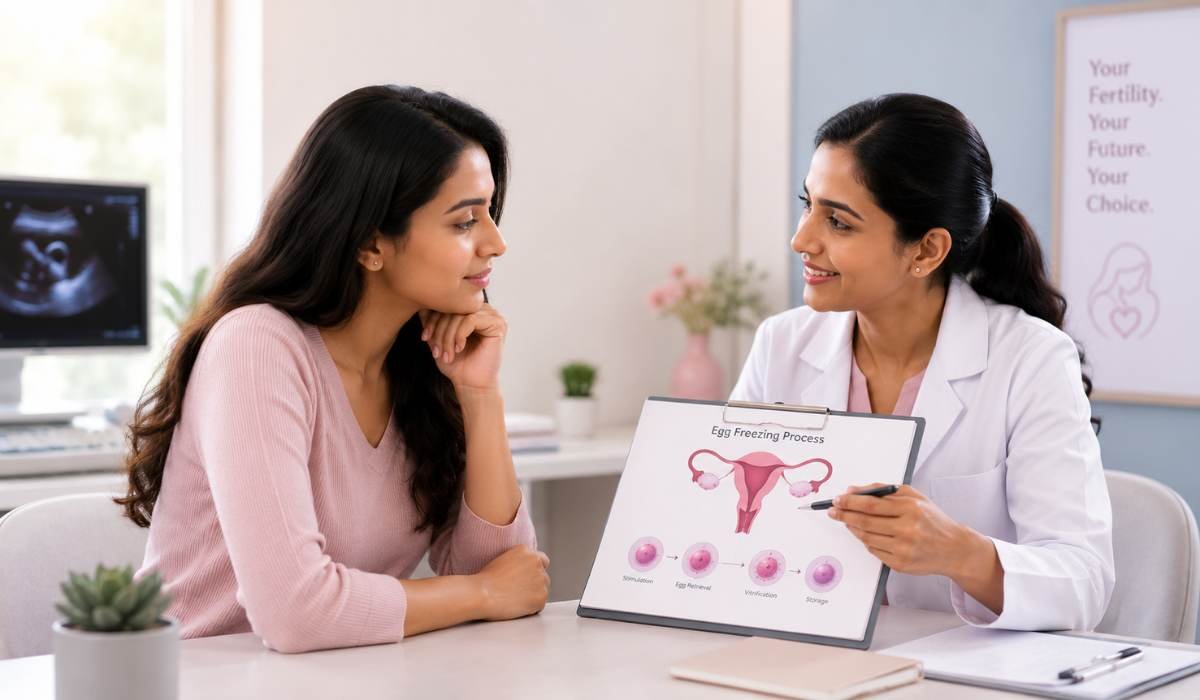
Egg freezing consultation with a fertility specialist in a modern IVF clinic in India

Egg Freezing in India: Cost, Process, Age Limit & Success Rate — Complete Guide

By Dr. Keshav Malhotra  |  Consultant, Reproductive Medicine, Rainbow IVF Agra

Reviewed by: Prof. Dr. Jaideep Malhotra  |  Director ART, Rainbow IVF  |  Published: June 2026  |  Reading Time: 11 min

⚡ Quick Answer — What is Egg Freezing?

Egg freezing, medically known as oocyte cryopreservation, is a procedure where a woman’s eggs are retrieved, frozen, and stored for future use. It allows women to preserve their fertility at a younger, healthier age and use the eggs later — through IVF — when they are ready to conceive. The ideal age for egg freezing is between 25 and 35, when egg quality and quantity are at their best.

More women across India are choosing to freeze their eggs — not because something is wrong, but because they want options. Whether you are focused on your career, haven’t found the right partner yet, are about to undergo medical treatment that could affect fertility, or simply want an insurance policy for your future family, egg freezing is a medically established, increasingly common choice.

At Rainbow IVF Agra, our fertility preservation programme combines advanced vitrification technology with the clinical expertise that has helped build 12,500+ families. This guide answers every question you may have about egg freezing in India — from the right age, to the process, cost, and success rates.


1. What is Egg Freezing (Oocyte Cryopreservation)?

Egg freezing is a fertility preservation technique where unfertilized eggs are retrieved from a woman’s ovaries, frozen using a rapid-freezing method called vitrification, and stored at -196°C in liquid nitrogen for future use.

Here is how it works at a glance:

  • Ovarian stimulation injections are given for 10-12 days to grow multiple eggs
  • Eggs are retrieved through a minor, sedated procedure
  • Mature eggs are immediately frozen via vitrification — preventing ice crystal damage
  • Eggs are stored safely until the woman is ready to use them
  • When ready, eggs are thawed, fertilized with sperm (IVF/ICSI), and resulting embryos are transferred to the uterus


This is different from embryo freezing, where eggs are fertilized before freezing. Egg freezing preserves unfertilized eggs, giving women the flexibility to decide on a partner or sperm donor later. Learn more about our Cryopreservation technology and Oocyte and Embryo Storage facility at Rainbow IVF.


2. Why Do Women Choose Egg Freezing? Common Reasons

Egg freezing is broadly divided into two categories: elective (social) egg freezing and medical egg freezing.

2.1 Elective / Social Egg Freezing

  • Focusing on career or education before starting a family
  • Haven’t found the right life partner yet
  • Want to delay parenthood for personal or financial readiness
  • Simply want the option preserved while egg quality is highest

2.2 Medical Egg Freezing

  • Before chemotherapy or radiation for cancer, which can damage ovarian function — part of our Fertility Preservation programme
  • Before surgery on the ovaries (e.g., for endometriosis or ovarian cysts)
  • Women diagnosed with low AMH or declining ovarian reserve at a younger age
  • Family history of early menopause
  • Genetic conditions that may affect future fertility (e.g., Turner syndrome, BRCA mutation carriers)
  • As part of an IVF cycle where embryo freezing isn’t possible or desired (e.g., no partner/donor sperm decision yet)


3. What is the Best Age for Egg Freezing?

The best age for egg freezing is between 25 and 35 years, with 30-34 considered the optimal window. Egg quality and quantity decline significantly after age 35, and more sharply after 38. Freezing eggs before age 35 generally results in better egg quality, higher numbers of eggs retrieved, and improved chances of a successful pregnancy when the eggs are eventually used.

Age Group Egg Quality Eggs Needed for 1 Live Birth (approx.) Recommendation
Below 30 Excellent 8-10 eggs Ideal window
30-34 Very Good 10-15 eggs Ideal window
35-37 Good, declining 15-20 eggs Still recommended
38-40 Declining 20-30 eggs Consult promptly
Above 40 Significantly reduced 30+ eggs (multiple cycles often needed) Limited benefit; consult urgently


Most fertility societies, including ICMR guidelines in India, recommend egg freezing be considered before age 35 for the best outcomes. That said, women of any reproductive age can be evaluated — an AMH and antral follicle count test will clarify your individual ovarian reserve.


4. Step-by-Step Egg Freezing Process

Step Phase What Happens
1 Initial Consultation & Testing AMH blood test, antral follicle count (ultrasound), and general health screening to assess ovarian reserve and predict response to stimulation.
2 Ovarian Stimulation (10-12 days) Daily hormone injections stimulate the ovaries to develop multiple eggs instead of the single egg released naturally each month. Monitored via ultrasound and blood tests every 2-3 days.
3 Trigger Injection Once follicles reach optimal size, a trigger injection is given to mature the eggs, timed precisely 34-36 hours before retrieval.
4 Egg Retrieval (Day Procedure) A minor procedure under light sedation, lasting 15-20 minutes. Eggs are collected via a thin needle guided by ultrasound through the vaginal wall. No incisions or stitches needed.
5 Vitrification (Same Day) Mature eggs are immediately frozen using vitrification — an ultra-rapid freezing method that prevents ice crystal formation, preserving egg structure with over 90% survival rate upon thawing.
6 Long-Term Storage Eggs are stored in secure cryo-tanks with electronic tracking. Storage can be extended yearly, and eggs remain viable for many years.
7 Future Use When ready, eggs are thawed, fertilized with sperm via ICSI, cultured into embryos, and transferred to the uterus through a standard FET cycle.


When you are ready to use your frozen eggs, the embryo transfer process follows the same protocol explained in our detailed guide on Frozen Embryo Transfer (FET). Our RI Witness electronic tracking system ensures your eggs and embryos are never mismatched at any stage.

💡 Did You Know?

The entire egg freezing cycle — from the first injection to retrieval — takes about 2 weeks. The retrieval procedure itself takes only 15-20 minutes, and most women return to normal activity within 1-2 days. There is no need to find a partner or sperm donor at the time of freezing — that decision can wait until you’re ready to use the eggs.


5. Egg Freezing Success Rate — What the Data Shows

Egg freezing success rates depend primarily on the woman’s age at the time of freezing and the number of eggs frozen. Women who freeze 15-20 eggs before age 35 have approximately a 70-80% chance of at least one live birth from those eggs. Egg survival rate after thawing (vitrification) is typically above 90%, and fertilization rates after thawing are comparable to fresh eggs.


Age at Freezing Eggs Frozen Estimated Chance of 1 Live Birth
Below 35 15-20 eggs 70-80%
35-37 15-20 eggs 55-65%
38-40 20-25 eggs 35-50%
Above 40 25-30+ eggs 15-25%


These are estimated ranges based on published fertility data and may vary based on individual ovarian reserve, lab quality, and the technique used. A consultation with AMH testing gives a far more personalized estimate of how many eggs you are likely to retrieve.


6. Egg Freezing Cost in India

Egg freezing in India typically costs between ₹1,00,000 and ₹2,00,000 for one cycle, which includes ovarian stimulation, monitoring, egg retrieval, and the first year of storage. Annual storage fees thereafter range from ₹10,000 to ₹25,000 per year. The total cost depends on the clinic, the medication protocol required, and how many cycles are needed to freeze an adequate number of eggs.


Cost Component Approximate Cost (India)
Initial consultation & fertility testing (AMH, ultrasound) ₹3,000 – ₹8,000
Ovarian stimulation medications ₹40,000 – ₹80,000
Monitoring (ultrasounds + blood tests) ₹10,000 – ₹20,000
Egg retrieval procedure ₹40,000 – ₹70,000
Vitrification (freezing) lab fee ₹15,000 – ₹25,000
Storage (first year, often included) ₹10,000 – ₹25,000
Total — one full cycle ₹1,00,000 – ₹2,00,000
Annual storage (from year 2 onward) ₹10,000 – ₹25,000 / year


Some women may need more than one stimulation cycle to freeze an optimal number of eggs, particularly if ovarian reserve is lower. For a full breakdown of related fertility treatment costs, see our guide on IVF Cost in Agra.


7. How Long Can Frozen Eggs Be Stored?

Frozen eggs can be stored safely for many years without significant quality loss, thanks to vitrification technology. Studies have shown successful pregnancies from eggs frozen for over 10 years.

  • Eggs are stored in liquid nitrogen at -196°C, which essentially halts all biological activity
  • There is no known ‘expiry date’ for vitrified eggs from a biological standpoint
  • Storage duration is typically governed by clinic policy and annual renewal/consent, not biological necessity
  • In India, storage agreements are usually renewed annually with clear consent and documentation


Rainbow IVF’s Oocyte and Embryo Storage facility maintains strict temperature monitoring, backup systems, and electronic tracking via our RI Witness system for complete peace of mind.


8. Using Frozen Eggs Later — What Happens Next?

When you are ready to use your frozen eggs, the process involves a few clear steps:


This means egg freezing is essentially the first half of an IVF cycle — completed in advance, at a time when your eggs are at their best quality.


9. Egg Freezing vs Embryo Freezing — Which Should You Choose?

Factor Egg Freezing Embryo Freezing
Requires partner/donor sperm? No — decided later Yes — needed at time of freezing
Best for Single women, those without a partner yet Couples in IVF treatment with embryos to spare
Survival rate after thaw >90% with vitrification >95% with vitrification
Flexibility High — decide on partner later Lower — partner already decided
Success per unit frozen Slightly lower per egg (since fertilization isn’t guaranteed) Slightly higher per embryo (already fertilized, viability confirmed)


Couples already undergoing IVF treatment typically opt for embryo freezing since fertilization happens immediately. Single women preserving fertility for the future typically choose egg freezing for maximum flexibility.


10. Who Should Consider Egg Freezing? Quick Checklist

  • Women aged 28-37 wanting to preserve fertility while focused on career or education
  • Women without a current partner who want to keep biological parenthood options open
  • Women diagnosed with conditions affecting ovarian reserve — see our guide on Low AMH and IVF
  • Women about to undergo cancer treatment, surgery, or medical treatment that may affect fertility
  • Women with a family history of early menopause
  • Women with endometriosis or PCOS concerned about future fertility decline
  • Anyone wanting an informed, proactive approach to family planning


11. Why Choose Rainbow IVF Agra for Egg Freezing?

Rainbow IVF, located at Ujala Cygnus Rainbow Hospital, Sikandra, Agra, brings advanced fertility preservation technology combined with decades of clinical expertise.

Rainbow IVF Advantage Why It Matters
Advanced Vitrification Technology >90% egg survival rate after thawing
RI Witness Electronic Tracking Zero risk of sample mix-up at any stage
Embryoscope Time-Lapse System Optimal embryo monitoring when eggs are later used
AI-Based Embryo Selection Maximizes success when frozen eggs are eventually used
52.4% Overall IVF Success Rate Well above the national average
12,500+ Families | 4.9★ Google Rating Trusted clinical experience across North India


To discuss your fertility preservation options, book a confidential consultation at Rainbow IVF Agra. Our team will guide you through AMH testing, personalized planning, and the entire egg freezing process.


12. Frequently Asked Questions About Egg Freezing


Q1. At what age should I freeze my eggs?

The ideal age to freeze your eggs is between 25 and 35, with 30-34 considered the optimal window for the best balance of egg quality and quantity. While egg freezing is possible after 35, success rates decline with age, so earlier freezing generally provides better outcomes. An AMH test can help determine your individual ovarian reserve regardless of age.


Q2. Is egg freezing painful?

Egg freezing is generally not very painful. The stimulation injections may cause mild bloating or discomfort, similar to PMS symptoms. The egg retrieval procedure is done under light sedation, so you won’t feel pain during the process, though some cramping is common for a day or two afterward. Most women resume normal activities within 1-2 days.


Q3. How many eggs should I freeze?

Most fertility specialists recommend freezing 15-20 eggs for women under 35 to achieve a reasonable (70-80%) chance of one live birth in the future. Women over 35 may need to freeze more eggs (20-30+) to achieve similar odds, since egg quality declines with age. This may require more than one stimulation cycle.


Q4. Does egg freezing affect future fertility or cause early menopause?

No, egg freezing does not cause early menopause or harm future fertility. The eggs retrieved during the procedure are ones that would have been lost naturally during that month’s cycle. The stimulation process does not deplete your remaining egg reserve beyond what would occur naturally.


Q5. What is the success rate of using frozen eggs later?

Frozen eggs have an average survival rate of over 90% after thawing using modern vitrification technology, and fertilization rates are comparable to fresh eggs. Overall chances of a live birth depend heavily on the woman’s age at the time of freezing — women who froze eggs before 35 have significantly higher success rates than those who froze after 38.


Q6. How much does egg freezing cost in India?

Egg freezing in India typically costs between ₹1,00,000 and ₹2,00,000 for one complete cycle, including stimulation medications, monitoring, retrieval, and the first year of storage. Annual storage fees thereafter range from ₹10,000 to ₹25,000 per year.


Q7. Can single women freeze their eggs in India?

Yes, single women can legally freeze their eggs in India for personal fertility preservation. Egg freezing does not require a partner or sperm donor at the time of freezing — that decision can be made later, whenever the woman chooses to use her frozen eggs.


Q8. How long does the egg freezing process take?

The complete egg freezing cycle takes approximately 2 weeks from the first stimulation injection to egg retrieval. The retrieval procedure itself takes only 15-20 minutes under light sedation, and most women return to normal daily activities within 1-2 days.


Q9. What happens if I never use my frozen eggs?

If you decide not to use your frozen eggs, you can choose to continue storage, discontinue storage, or in some cases donate the eggs for research or to other couples, depending on clinic policy and applicable regulations in India. This decision is entirely yours and can be revisited at any time during the storage period.


Q10. Is egg freezing covered under insurance in India?

Most standard health insurance policies in India do not cover elective (social) egg freezing, as it is generally considered an elective procedure. However, medical egg freezing done before cancer treatment or other medically necessary reasons may sometimes be covered, depending on the specific insurance policy. It is best to check directly with your insurer.

Q11. Can frozen eggs cause birth defects in babies?

No. Current medical evidence shows that babies born from frozen eggs are not at a higher risk of birth defects compared to babies conceived through fresh eggs or natural conception. Modern vitrification technology preserves egg quality effectively, and the health of the baby depends on multiple factors such as the mother’s age at the time of egg freezing, embryo quality, and overall pregnancy health.

Q12. Is egg freezing legal in India?

Yes. Egg freezing is legal in India and is performed under applicable fertility and assisted reproductive technology regulations. Single women and married women can choose egg freezing for fertility preservation after a medical evaluation and informed consent. It is important to consult a qualified fertility specialist to understand the legal and medical aspects before starting treatment.

Q13. How long can frozen eggs remain stored?

Frozen eggs can remain safely stored for many years without significant loss of quality because they are preserved at -196°C using vitrification technology. From a biological perspective, there is no known expiry period for properly stored frozen eggs. However, the duration of storage is subject to clinic policies, consent requirements, and applicable regulations in India.

Q14. Can women with PCOS freeze their eggs?

Yes. Women with Polycystic Ovary Syndrome (PCOS) can freeze their eggs and are often good candidates for fertility preservation because they usually have a higher ovarian reserve. However, women with PCOS may have a higher risk of ovarian hyperstimulation syndrome (OHSS), so the treatment plan and medication protocol should be carefully customized by a fertility specialist to ensure a safe and successful egg retrieval process.


Take Control of Your Fertility Timeline

Egg freezing offers a proactive way to preserve your fertility on your own terms. Whether you are planning ahead for your career, waiting for the right partner, or need to protect your fertility before medical treatment, Rainbow IVF’s team is here to guide you with expert, confidential care.


Frozen Embryo Transfer (FET): What It Is, How It Works

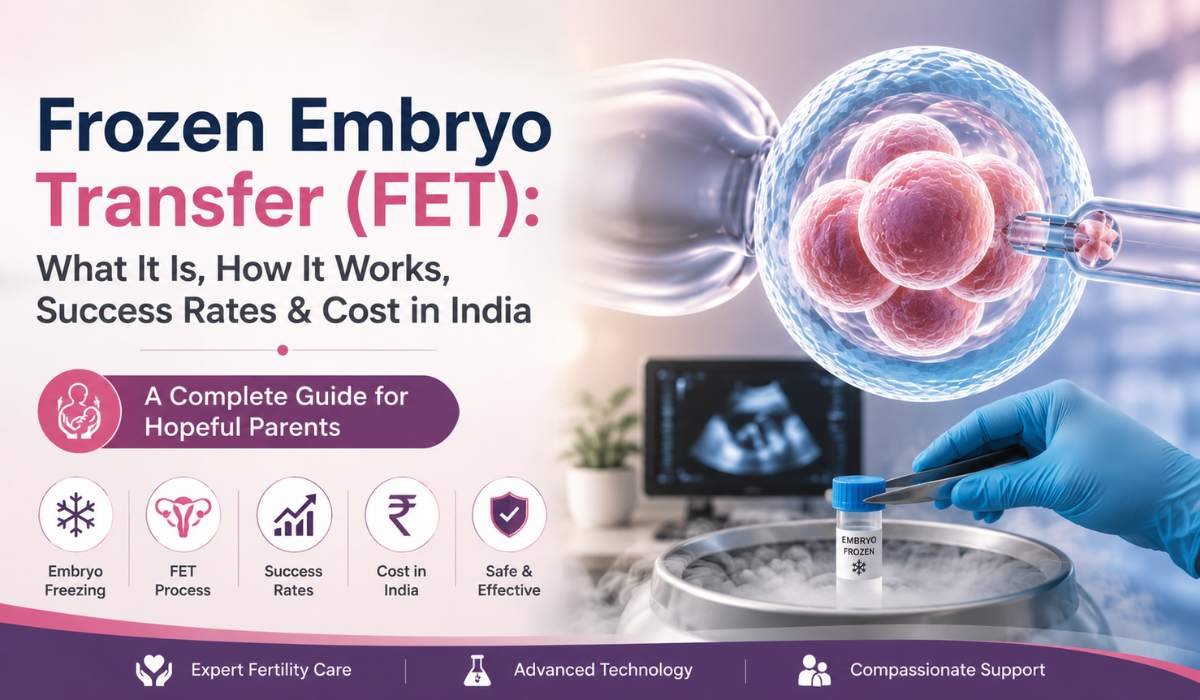
Frozen Embryo Transfer (FET) procedure showing embryo freezing, thawing, and IVF embryo transfer process in India.

Frozen Embryo Transfer (FET): What It Is, How It Works, Success Rates & Cost in India

By Dr. Neharika Malhotra  |  Senior Infertility Consultant, ART Rainbow IVF Agra

Reviewed by: Prof. Dr. Jaideep Malhotra  |  Director ART, Rainbow IVF  |  Published: June 2026  |  

Quick Answer — What is Frozen Embryo Transfer (FET)?

Frozen Embryo Transfer (FET) is an IVF procedure in which previously frozen (cryopreserved) embryos are thawed and transferred into the uterus. It is used when embryos are stored from a previous IVF cycle and transferred in a later, separate cycle. FET is increasingly preferred over fresh transfers in India because it allows the uterus to recover after ovarian stimulation, leads to better implantation, and often gives higher success rates — especially for patients with PCOS, thin uterine lining, or those undergoing genetic testing (PGT).

If you are going through IVF treatment in India, your doctor may have mentioned Frozen Embryo Transfer — or FET. You might have several embryos stored after your egg retrieval, or you may have had a failed fresh transfer and are wondering what comes next.

At Rainbow IVF Agra, over 60% of our embryo transfers are blastocyst frozen transfers — one of the highest rates in North India. This is not a coincidence. It reflects our clinical approach of choosing the method that gives patients the best possible chance of a successful pregnancy. This guide will explain everything you need to know about FET — from what it is, to how it works, to real success rates and cost in India.

1. What is Frozen Embryo Transfer (FET)?

Frozen Embryo Transfer (FET) is a procedure in which embryos that were created during a previous IVF cycle, frozen (cryopreserved), and stored are later thawed and placed into the woman’s uterus during a separate treatment cycle.

Here is how it fits into the IVF process:

  • During IVF, the woman undergoes ovarian stimulation and egg retrieval.
  • Eggs are fertilized in the laboratory to create embryos.
  • Instead of transferring all embryos immediately (fresh transfer), some or all embryos are frozen using a process called vitrification (rapid freezing).
  • In a later cycle, the woman prepares her uterine lining, and one or more thawed embryos are transferred into the uterus.
  • A pregnancy test is done 10–14 days after the transfer.

The embryos can be stored at Rainbow IVF’s advanced Oocyte and Embryo Storage facility for years without quality loss, thanks to cryopreservation technology that preserves embryos at -196°C using liquid nitrogen.

2. Fresh Embryo Transfer vs Frozen Embryo Transfer — Key Differences

Many couples ask: should I do a fresh or frozen embryo transfer? The answer depends on your medical situation, but here is a clear comparison:


Factor

Fresh Embryo Transfer Frozen Embryo Transfer (FET)
When is transfer done? 3–5 days after egg retrieval in the same cycle In a separate cycle weeks or months later
Uterine environment Affected by stimulation drugs — may not be ideal Fully recovered, natural or prepared lining — more receptive
Risk of OHSS Higher (especially in PCOS patients) Eliminated — stimulation is complete
Embryo quality Good — no freeze-thaw cycle Excellent — vitrification survival rate >95%
Success rates (India) 30–40% per cycle 35–50% per cycle (often higher than fresh)
PGT-A testing possible? Limited (requires biopsy and rapid turnaround) Yes — embryos can be biopsied, tested, then frozen
Best for Younger patients, normal responders, no OHSS risk

PCOS, thin lining, high responders, PGT-A patients, failed fresh transfers


At Rainbow IVF Agra, our doctors recommend FET in most cases because the frozen transfer protocol allows us to precisely time the transfer to when the uterine lining is at its most receptive — improving implantation chances significantly.

3. Who Needs Frozen Embryo Transfer (FET)?

FET is not just for people who “have leftover embryos.” It is increasingly the first-choice transfer method for many clinical situations.

3.1 Patients with PCOS (Polycystic Ovary Syndrome)

Women with PCOS are at high risk of Ovarian Hyperstimulation Syndrome (OHSS) after egg retrieval. A fresh transfer during an already stimulated cycle adds further risk. As we explain in our guide on PCOS and IVF treatment in India, a freeze-all strategy followed by FET is the medically safer and often more successful approach for PCOS patients.

3.2 Patients with Low AMH or Poor Ovarian Reserve

Women with low Anti-Müllerian Hormone (AMH) often produce fewer eggs per cycle. Freezing all viable embryos and transferring the best one in a controlled FET cycle prevents wasting a precious embryo on a suboptimal uterine environment. Read our detailed guide on Low AMH and IVF for more on this.

3.3 Patients with Thin Uterine Lining

A uterine lining of at least 7–8mm is generally needed for successful implantation. Sometimes the lining is thin after stimulation, making a fresh transfer risky. FET allows time for the lining to recover and be properly prepared. Learn more about thin uterine lining before IVF.

3.4 Patients Who Need Genetic Screening (PGT-A)

When embryos need to be biopsied for Genetic Screening (PGT-A/PGT-M), freezing is mandatory while results come back (typically 7–14 days). FET is then performed with the genetically screened, normal embryo — significantly improving success rates and reducing miscarriage risk.

3.5 Patients Who Had a Failed Fresh IVF Transfer

If you had embryos remaining after a failed fresh transfer, FET is typically the next step. As our doctors explain in our guide on what to do after failed IVF, a careful review of what went wrong — lining quality, embryo grade, protocol — is done before planning an FET cycle.

3.6 Patients with Recurrent Implantation Failure

For patients who have had repeated failed transfers, FET combined with advanced uterine preparation — or Ovarian and Endometrial Rejuvenation with PRP — can dramatically improve outcomes. Rainbow IVF’s Recurrent Implantation Failure protocol specifically addresses this.

3.7 Fertility Preservation Cases

Women who freeze embryos for fertility preservation before cancer treatment, surgery, or for personal reasons use FET when they are ready to conceive.

4. How Does Frozen Embryo Transfer Work? Step-by-Step Procedure

FET is a gentler, more controlled process than a full IVF cycle. There are no injections for egg retrieval. The focus is entirely on preparing the uterus.

Step Phase What Happens

1

Consultation & Review Your doctor reviews embryo quality, previous cycle records, and decides the FET protocol (natural, medicated, or modified natural).

2

Endometrial Preparation (14–21 days) Estrogen tablets or patches are given to thicken the uterine lining. Ultrasound and blood tests monitor lining growth. Target: 7mm+ trilaminar lining.

3

Progesterone Start (5–6 days before transfer) Progesterone is added to prepare the endometrium for implantation. This mimics the natural luteal phase. Transfer date is calculated from progesterone start.

4

Embryo Thawing (Day of Transfer) Frozen embryo is thawed in the IVF lab. The embryologist confirms survival and quality before transfer. Vitrified embryos have >95% survival rate at Rainbow IVF.

5

Embryo Transfer A soft catheter is used to place the thawed embryo into the uterus — a 10–15 minute procedure, typically painless. The embryoscope monitors embryo quality before transfer.

6

Luteal Phase Support (2 weeks) Progesterone continues to support early implantation. Patients rest for a short while, then resume light normal activity.

7

Pregnancy Test (Beta hCG) A blood Beta hCG test is done 12–14 days after transfer. A positive result confirms pregnancy. An ultrasound follows at 6–7 weeks.

Did You Know?

The FET procedure itself — the actual embryo transfer — takes only 10–15 minutes and is usually completely painless. Most patients go home within an hour and can resume desk work the same day. The preparation phase (uterine lining buildup) takes 14–21 days and is managed entirely with oral/vaginal medications or gentle injections.

5. Types of FET Protocols — Natural, Medicated, and Modified Natural

There are three main ways to prepare the uterine lining for a frozen embryo transfer. Your doctor will recommend the best protocol based on your menstrual cycle regularity and medical history.

5.1 Natural Cycle FET

  • Best for: Women with regular, ovulatory menstrual cycles
  • How it works: The natural LH surge (ovulation) is monitored using blood tests and ultrasound. Transfer is timed 5–6 days after natural ovulation.
  • Advantage: No hormonal medications, natural luteal support
  • Disadvantage: Requires precise monitoring; cycle can be cancelled if ovulation timing is unclear

5.2 Medicated / Artificial Cycle FET

  • Best for: Women with irregular cycles, PCOS, or those who need precise scheduling
  • How it works: Estrogen is given to build the lining, then progesterone is added. Transfer is scheduled 5 days after progesterone start.
  • Advantage: Fully controllable timing; ideal for freezing+biopsy protocols (PGT)
  • Disadvantage: Requires ongoing progesterone support through the early pregnancy

5.3 Modified Natural Cycle FET

  • A middle ground — natural ovulation is monitored, but HCG trigger injection and progesterone support are added for precision.

At Rainbow IVF, the medicated FET protocol is most commonly used, particularly because of our high proportion of PCOS patients and cases requiring genetic screening. Our team also uses Ovarian Stimulation protocols tailored to each patient’s hormone profile before any transfer cycle.

6. Blastocyst Transfer vs Day 3 Transfer — Why Rainbow IVF Prefers Blastocysts

When embryos are frozen, they can be at different development stages — Day 3 (cleavage stage, 6–8 cells) or Day 5/6 (blastocyst stage). Rainbow IVF’s data shows 60% of transfers are blastocyst transfers. Here is why this matters.

Day 3 Embryo Transfer Day 5 Blastocyst Transfer
Stage of development 6–8 cells, early cleavage stage ~100–200 cells, fully formed blastocyst
Implantation potential ~20–30% ~40–60% (significantly higher)
Self-selection No — all Day 3 embryos look similar Yes — only genetically viable embryos reach blastocyst stage
Natural uterine timing Embryo arrives earlier than in nature Matches the natural timing of embryo entering the uterus
PGT-A biopsy possible? Technically possible but less accurate Yes — outer trophectoderm cells biopsied safely
Risk Some Day 3 embryos that look good fail to develop further Fewer embryos reach blastocyst — quality is confirmed


Our Embryoscope (Time-Lapse Monitoring System) continuously tracks embryo development from fertilization to blastocyst stage without disturbing the embryos. Combined with our AI-based Embryo Selection technology, Rainbow IVF’s embryologists can identify the single best blastocyst to transfer — maximizing FET success while minimizing risks from multiple pregnancies.

7. Frozen Embryo Transfer Success Rates in India — Honest, Age-Wise Data

Frozen Embryo Transfer (FET) success rates in India range from 35% to 55% per cycle, depending on the woman’s age, embryo quality, uterine lining condition, and the fertility clinic’s laboratory standards. FET generally has equal or higher success rates compared to fresh transfers, particularly for patients under 35.

Woman’s Age FET Success Rate (India avg.) Fresh Transfer Rate (Comparison) Key Observation
Below 30 50–60% 40–50% FET often outperforms fresh
30–34 45–55% 35–45% FET recommended for PCOS/PGT
35–37 35–45% 30–40% PGT-A significantly boosts results
38–40 25–35% 20–30% Blastocyst + PGT-A strongly advised
Above 40 15–25% 10–20% Donor egg FET may be considered


Note: These are average industry estimates. Actual rates vary by clinic, protocol, and individual medical history. Rainbow IVF’s 2022 success rate across all IVF cycles was 52.4%, with blastocyst FET cycles performing at the higher end of these ranges.

What improves FET success rates?

For a deeper understanding of IVF success rates in India by age and factors, read our detailed IVF Success Rate Guide.

8. How to Prepare for Frozen Embryo Transfer — Patient Checklist

Preparation for FET involves both medical and lifestyle steps. Here is what Rainbow IVF advises:

Medical Preparation

  • Complete blood work and uterine cavity check (sonohysterography or hysteroscopy if advised)
  • Follow the prescribed estrogen + progesterone protocol exactly — missing doses can affect lining
  • Attend all monitoring ultrasounds (typically 2–3 scans during lining preparation)
  • Discuss any history of Recurrent Miscarriages or implantation failure before the transfer

Lifestyle Preparation

  • Eat a fertility-supportive diet rich in protein, healthy fats, and folate — see our lifestyle changes for IVF success
  • Avoid alcohol and smoking for at least 3 months before transfer
  • Manage stress — yoga, gentle walking, and sleep hygiene all support implantation
  • Maintain a healthy BMI (18.5–27) if possible before the cycle
  • Do not take any unprescribed supplements or herbal medicines during the prep phase

Day of Transfer

  • Come with a moderately full bladder (easier ultrasound guidance)
  • Wear comfortable, loose clothing
  • Bring a support person if preferred — the procedure is quick and you can go home within 1 hour
  • Avoid heavy exercise for 48 hours after transfer; light activity is fine

9. FET Cost in India and Agra — What to Expect

Direct Answer — FET Cost in India

A Frozen Embryo Transfer (FET) cycle in India typically costs between ₹50,000 and ₹1,20,000, depending on the clinic, protocol, and any additional tests required. This does not include the initial IVF cycle cost where embryos were created and frozen. At Rainbow IVF Agra, FET pricing is transparent and discussed in detail during consultation.

FET Cost Component Approximate Cost (India)
Endometrial preparation medications (estrogen + progesterone) ₹8,000 – ₹20,000
Monitoring ultrasounds (2–3 scans) ₹3,000 – ₹8,000
Embryo thawing and preparation (lab fee) ₹15,000 – ₹30,000
Embryo transfer procedure ₹20,000 – ₹40,000
Beta hCG blood test ₹800 – ₹1,500
PGT-A genetic testing (optional, if needed) ₹40,000 – ₹80,000 additional
Total FET cycle (excluding PGT) ₹50,000 – ₹1,20,000


For a complete breakdown of IVF-related costs at Rainbow IVF Agra including initial cycle, medications, and add-ons, read our guide on IVF Cost in Agra.

10. FET After a Failed IVF Cycle — What Your Doctor Will Do Differently

One of the most common situations where FET is planned is after a failed fresh IVF cycle. A failed IVF cycle is not a closed door — it is information. At Rainbow IVF, we conduct a detailed review before planning any FET after failure. Here is what changes:

  • Uterine cavity re-evaluation: hysteroscopy may be recommended to check for polyps, fibroids, or adhesions
  • Investigation for Recurrent Implantation Failure — including ERA test, thrombophilia panel, NK cell testing
  • Modification of FET protocol — estrogen dosing, progesterone timing
  • Addition of Endometrial PRP (Platelet-Rich Plasma) if lining was thin in previous cycle
  • Consideration of PGT-A Genetic Screening on frozen embryos before transfer
  • Lifestyle and hormonal optimization before the retry cycle

Read more: Failed IVF Treatment — How Doctors Decide the Next Step | IVF Failed Once or Twice — Doctor Review

11. Why Choose Rainbow IVF Agra for Your Frozen Embryo Transfer?

Rainbow IVF is North India’s leading fertility centre for IVF and advanced reproductive treatments, located at Ujala Cygnus Rainbow Hospital, Sikandra, Agra. Here is what sets our FET programme apart:

Rainbow IVF Advantage Clinical Impact
60% Blastocyst Transfer Rate Higher implantation potential per transfer
52.4% IVF Success Rate (2022) Well above national average of 30–40%
Embryoscope Time-Lapse Monitoring Continuous embryo quality tracking without disturbance
AI-Based Embryo Selection Selects the embryo with highest implantation potential
RI Witness Electronic Tracking System Eliminates sample mix-up risk in the lab
PRP Endometrial Rejuvenation Improves lining for difficult cases and thin endometrium
12,500+ Happy Families | 4.9★ Google (828 reviews) Proven clinical experience and patient trust


Patients travel from Mathura, Firozabad, Aligarh, Bharatpur, Etah, and across Uttar Pradesh and Rajasthan to Rainbow IVF for advanced IVF and FET care. Read why: IVF near Mathura | IVF near Firozabad

To start your FET journey or for a second opinion on a failed cycle, book a consultation at Rainbow IVF Agra today.

Frequently Asked Questions About Frozen Embryo Transfer (FET)

Q1. Is frozen embryo transfer better than fresh transfer?

In many cases, yes. Frozen embryo transfer (FET) often gives equal or better success rates than fresh transfer because the uterus is given time to fully recover from ovarian stimulation hormones before the embryo is placed. This leads to a more receptive uterine environment. FET is particularly superior for PCOS patients, those with high ovarian response, and cases where genetic testing (PGT-A) is done.

Q2. How painful is the frozen embryo transfer procedure?

Frozen embryo transfer is generally not painful. The procedure takes 10–15 minutes and feels similar to a cervical smear test — you may feel mild pressure or slight cramping. No anesthesia is needed. A full bladder is required for ultrasound guidance, which can feel uncomfortable, but the transfer itself is well-tolerated by most patients.

Q3. How many days after frozen embryo transfer does implantation occur?

Implantation typically occurs 1–5 days after frozen embryo transfer, depending on the stage of the embryo at transfer. For a Day 5 blastocyst FET, implantation usually begins within 1–3 days of transfer, as the blastocyst is ready to attach. For a Day 3 embryo transfer, the embryo continues developing in the uterus and implantation occurs around Day 5–7 after transfer.

Q4. What is the success rate of frozen embryo transfer in India?

Frozen embryo transfer success rates in India range from 35% to 55% per cycle on average, depending on the woman’s age, embryo quality, and clinic quality. Women under 35 have the highest success rates (50–60%). Success rates improve significantly when blastocyst-stage embryos are used and when PGT-A genetic testing confirms a chromosomally normal embryo before transfer.

Q5. Can FET be done without an IVF cycle?

FET can only be done when there are already frozen embryos available from a previous IVF or ICSI cycle, or from an embryo donation programme. The FET cycle itself does not involve egg retrieval — it only prepares the uterus and transfers a previously frozen embryo. If you do not have frozen embryos, a full IVF or ICSI cycle must be done first to create and freeze embryos.

Q6. How long does the FET preparation take?

The uterine preparation phase for FET typically takes 14–21 days. During this time, you take estrogen to build the uterine lining, attend 2–3 monitoring ultrasounds, and then start progesterone for 5–6 days before the transfer date. The total FET process from consultation to pregnancy test takes approximately 4–6 weeks.

Q7. How long can embryos remain frozen before FET?

Embryos can remain safely frozen for many years using vitrification (rapid freezing in liquid nitrogen at -196°C). Studies show no significant decrease in embryo quality or IVF success rates with frozen storage up to 10 years, and in some cases even longer. At Rainbow IVF, our Oocyte and Embryo Storage facility maintains strict cryopreservation standards for long-term storage.

Q8. What activities should be avoided after frozen embryo transfer?

After frozen embryo transfer, avoid strenuous exercise, heavy lifting, swimming, and sexual intercourse for at least 48–72 hours, or as advised by your doctor. Light walking and normal desk work are perfectly fine. Avoid alcohol, smoking, and unprescribed medications. Continue all prescribed progesterone and estrogen supplements exactly as instructed until told otherwise by your fertility specialist.

Q9. Can FET fail even with a good-quality embryo?

Yes. Even with a high-quality blastocyst embryo, FET can fail. The most common reasons are: uterine receptivity issues (thin or non-trilaminar lining), chromosomal abnormalities in the embryo not detected without PGT-A testing, immunological factors, or unexplained implantation failure. If FET fails with a good-quality embryo, a thorough review including ERA test, immunological testing, and hysteroscopy is typically recommended before the next attempt.

Q10. Is FET covered under health insurance in India?

Most standard health insurance policies in India do not cover IVF or FET procedures. However, some government employees and a few corporate health plans may provide partial coverage for fertility treatment. It is advisable to check directly with your insurance provider. Rainbow IVF’s team can assist with documentation required for insurance claims where applicable.

Take Your Next Step Towards Parenthood

A Frozen Embryo Transfer could be the turning point in your fertility journey. Whether you are planning FET after a failed IVF cycle, using stored embryos from a previous cycle, or transferring a genetically tested blastocyst, Rainbow IVF’s team is here to guide you through every step.

📍 Rainbow IVF Centre

4th Floor, Ujala Cygnus Rainbow Hospital

NH-19, Near Guru ka Taal, Sikandra, Agra — 282007

📞 +91-562-260-0537 | +91-7060301888

⭐ 4.9 Google Rating | 12,500+ Families

🔗 Explore More at Rainbow IVF

➤ Book an Appointment

➤ IVF Treatment Page

➤ Cryopreservation Service

➤ Infertility Consultation

➤ Contact Us


Low AMH and IVF: Can You Still Get Pregnant ?

Low AMH and IVF treatment consultation for women with low ovarian reserve

Low AMH and IVF: Can You Still Get Pregnant with Low AMH?

Medically Reviewed by Dr. Jaideep Malhotra | Director ART, Rainbow IVF, Agra | MBBS, MD, FRCOG (UK)

🏥 Quick Answer
What is Low AMH? AMH below 1.0 ng/mL indicates low ovarian reserve
Can you do IVF with Low AMH? Yes — IVF is often the most effective option
Best Treatment: Customised stimulation protocol + advanced embryo selection
At Rainbow IVF Agra: Bring your AMH report, AFC scan, and fertility records — our specialists will review them and explain your realistic options

Introduction

A low AMH report is one of the most devastating things a woman can receive. In a single number, it seems to summarise her entire fertility — and many women are told, incorrectly, that low AMH means they cannot have children.

This is not true.

Low AMH means your ovarian reserve is reduced. It does not mean pregnancy is impossible. Many women with low AMH — including women with AMH below 0.5 ng/mL — still achieve pregnancy with appropriate treatment every year.

At Rainbow IVF Agra, low AMH is one of the most common conditions we treat. This guide explains what AMH actually measures, what low AMH really means at different ages, and how IVF works for women with low ovarian reserve.

What Is AMH and What Does It Measure?

AMH stands for Anti-Müllerian Hormone. It is produced by small follicles in your ovaries. The amount of AMH in your blood is directly related to the number of follicles remaining — making it a reliable marker of ovarian reserve (how many eggs you have left).

AMH can be tested on any day of your menstrual cycle, making it one of the most convenient fertility markers available.

Normal AMH ranges:

AMH Level Interpretation
Above 3.5 ng/mL High (possible PCOS)
1.5 to 3.5 ng/mL Normal
1.0 to 1.5 ng/mL Low normal
0.5 to 1.0 ng/mL Low
Below 0.5 ng/mL Very low

These ranges are guidelines, not absolute cutoffs. What matters is not just the number but the full clinical picture — including antral follicle count (AFC), age, and FSH levels.

What AMH Level Is Good for IVF?

This is one of the most common questions we receive. Here is honest guidance:

AMH above 1.5 ng/mL — generally favourable. Expected to respond well to standard stimulation protocols.

AMH 1.0 to 1.5 ng/mL — slightly reduced reserve. IVF is very much possible with minor protocol adjustments.

AMH 0.5 to 1.0 ng/mL — low reserve. IVF remains a good option with a customised stimulation protocol and careful monitoring.

AMH below 0.5 ng/mL — very low reserve. IVF is still possible and is often the most appropriate treatment. Protocol selection and embryo selection technology become especially important. See the dedicated section below on very low AMH.

There is no AMH level at which IVF becomes automatically impossible. The combination of age, AFC, and clinical history matters far more than any single number.

Low AMH vs Normal AMH: What Actually Changes?

Factor Low AMH Normal AMH
Egg Quantity Fewer eggs available Normal egg count
Egg Quality Depends on age — not directly affected by AMH Depends on age
Natural Pregnancy Possible, especially under 35 Yes
IVF Possible Yes — with customised protocol Yes — standard protocol
Eggs Retrieved in IVF Typically 1–5 Typically 5–15
Main IVF Risk Poor response to stimulation OHSS if over-stimulated

The critical point: AMH measures quantity, not quality. A younger woman with low AMH may have fewer eggs but those eggs can be perfectly healthy — which is why age and AMH together tell a very different story than AMH alone.

Common Causes of Low AMH

Age is the most common cause. AMH naturally declines with age, accelerating after 35. However, younger women can also have low AMH — called premature ovarian insufficiency (POI) when it occurs before 40.

Endometriosis — particularly ovarian endometriomas — damages ovarian tissue and reduces AMH. Women who have had surgery for endometriosis may have lower post-operative AMH. Learn more about recurrent pregnancy loss and ovarian factors.

Previous ovarian surgery for cysts or tumours can reduce remaining follicle count.

Genetic factors including Turner syndrome and Fragile X premutation cause accelerated follicle loss.

Autoimmune conditions where the immune system attacks ovarian tissue.

Chemotherapy or radiation can significantly damage ovarian reserve.

Smoking is associated with accelerated follicle loss and lower AMH at any age.

Low AMH at Different Ages: What It Means for You

Low AMH Under 35 (Including AMH at 30, 32, or 33)

This is the most reassuring situation. Evidence from reproductive medicine — including ESHRE and ASRM guidelines — consistently shows that women under 35 with low AMH can still achieve clinically meaningful IVF pregnancy rates because egg quality remains relatively preserved despite reduced ovarian reserve. Age is a stronger predictor of IVF outcome than AMH alone for women in this group.

If you are under 35 with low AMH, do not delay. Ovarian reserve declines over time — acting now gives you the best possible odds.

Low AMH Between 35 and 40

At this age, both quantity and quality begin to decline together — but IVF success with low AMH is still very achievable with the right protocol. Advanced embryo selection technology helps squeeze the maximum value out of every embryo available, which is especially important when numbers are limited.

Low AMH Over 40

Above 40, egg quality declines alongside low AMH. IVF with own eggs is still worth attempting for many women, particularly those with AMH between 0.5 and 1.0 ng/mL. For women over 40 with very low AMH (below 0.3 ng/mL), donor egg IVF often provides significantly better success rates and is a conversation worth having honestly with your specialist.

IVF with Very Low AMH: Below 0.5 ng/mL

Searches for “AMH 0.5 IVF success”, “AMH 0.3 pregnancy”, “very low AMH IVF”, and “diminished ovarian reserve IVF” are among the most common fertility queries in India — and for good reason.

Here is what clinical evidence and experience tells us:

IVF is still possible with AMH below 0.5 ng/mL. The number of eggs retrieved may be small — sometimes just 1 to 3 — but a single good quality embryo is all that is needed for a successful transfer and pregnancy.

Protocol selection is critical. Standard stimulation doses often do not produce adequate response at this level. Experienced specialists use alternative protocols — DuoStim, estrogen priming, or mild IVF — to get the best possible result.

Multiple cycles may be needed. Some women with very low AMH bank embryos across 2 to 3 stimulation cycles before attempting transfer, building a better pool to choose from.

Donor eggs become relevant for women with very low AMH who have had repeated poor responses or multiple failed IVF cycles. This is not failure — it is a different pathway to the same destination. Read about next steps after failed IVF.

If your AMH is below 0.5 ng/mL, bring your full reports to your consultation: AMH, AFC ultrasound, FSH, LH, oestradiol, and any previous IVF records. Our specialists will give you a realistic picture and explain all options honestly.

Can You Do IVF with Low AMH?

Yes — and IVF is often the most effective assisted reproductive treatment for women with low AMH who are struggling to conceive.

IVF allows doctors to use a customised stimulation protocol to get the maximum safe response from your ovaries, retrieve and work with every egg that develops, and select the best embryo from whatever is available.

For a complete understanding of the full IVF process, read our Complete Guide to IVF Treatment in India.

Not sure whether IVF or IUI is right for you with low AMH? For most low AMH patients, IVF is significantly more efficient — read IVF vs IUI: Which Is Right for You?

IVF Protocols Used for Low AMH

There is no single “low AMH protocol.” The right approach depends on your specific numbers and clinical history:

Antagonist Protocol with Higher Gonadotropin Doses — the most common approach. Higher FSH doses recruit as many follicles as possible while an antagonist prevents premature ovulation.

Estrogen Priming Protocol — oestrogen given in the cycle before stimulation synchronises follicle growth and can improve response in women who have previously produced very few eggs.

Mini IVF or Mild Stimulation — counterintuitively, some very low AMH patients do better with gentler stimulation. This approach aims for fewer but potentially better quality eggs and is particularly considered when aggressive stimulation has repeatedly produced little response.

DHEA Supplementation — some evidence supports DHEA for 6 to 12 weeks before IVF to improve ovarian environment. Assessed individually.

DuoStim (Dual Stimulation) — stimulation twice in the same cycle, in both the follicular and luteal phases, to collect more eggs and increase the embryo pool.

Embryo Selection for Low AMH Patients

When egg numbers are limited, the quality of embryo selection matters more than in standard IVF. At Rainbow IVF, our embryology laboratory uses time-lapse monitoring and AI-assisted selection technology to identify the embryo with the highest implantation potential from however many are available. When you have 2 to 4 embryos rather than 10, every selection decision carries more weight.

Success Rates for Low AMH IVF

According to ESHRE (European Society of Human Reproduction and Embryology) and ASRM (American Society for Reproductive Medicine) guidelines, age is a stronger predictor of IVF outcome than AMH level alone — particularly for women under 35. Studies published in Human Reproduction and Fertility and Sterility have shown that women under 35 with diminished ovarian reserve can achieve pregnancy rates comparable to age-matched peers with normal AMH, particularly when stimulation protocols are appropriately tailored.

For women between 35 and 40, outcomes depend significantly on the number and quality of embryos obtained. For women over 40 with very low AMH, success rates with own eggs are more variable and donor egg options merit serious consideration.

Your individual success estimate requires a complete clinical evaluation — not a population-level statistic. At your first consultation, Dr. Jaideep Malhotra will review your specific reports and give you an honest, personalised assessment.

See also: IVF Success Rate in India: What Percentage Is Real?

At Rainbow IVF Agra: Our Approach to Low AMH

Low AMH patients need more careful evaluation, more personalised protocols, and more experienced embryology support than standard IVF patients. Our approach:

  • Complete evaluation including AMH, AFC, FSH, LH, oestradiol, and full history before any protocol decision
  • Individualised stimulation — never a standard protocol applied to every patient regardless of their numbers
  • Careful embryo monitoring so no developmental information is lost when numbers are small
  • Honest conversation about realistic expectations and all available options including donor eggs where relevant

Bring your AMH report, AFC scan, and previous fertility records to your first consultation. Our specialists will review them and explain your realistic treatment options clearly and honestly.

Related: How Fertility Specialists Identify the Cause of Infertility | Male Infertility Treatment in India

Frequently Asked Questions

Can I get pregnant naturally with low AMH?

Yes — many women with low AMH conceive naturally, particularly under 35 with no other fertility issues. Low AMH predicts reduced reserve but does not prevent ovulation or natural conception. However, if you have been trying for 6 to 12 months without success, see a specialist promptly — ovarian reserve declines over time.

What AMH level is too low for IVF?

There is no universally accepted cutoff below which IVF is not attempted. Even AMH below 0.3 ng/mL does not automatically rule out IVF with own eggs, particularly in younger women. The decision is made based on AMH, AFC, age, and full clinical history together — not AMH alone.

Does low AMH mean early menopause?

Not necessarily. Low AMH indicates fewer eggs remaining but does not predict exactly when menopause will occur. What it does mean is that your fertility window may be shorter than average — making timely action more important.

Can AMH levels improve with treatment?

AMH cannot be significantly raised by any current treatment. However, optimising overall health — smoking cessation, healthy weight, antioxidant supplementation, CoQ10 — may improve egg quality and ovarian environment. DHEA supplementation under medical guidance has some evidence for improving ovarian response in low AMH patients.

How many eggs can I expect with low AMH during IVF?

This varies widely. Women with low AMH may produce 1 to 5 eggs in a stimulated cycle. The antral follicle count (AFC) on ultrasound is actually a better predictor of egg yield than AMH alone. Your doctor will give a realistic expectation based on both together.

Is IVF with low AMH more expensive?

The procedure cost is the same. Higher stimulation medication doses may increase medication costs slightly. Your complete cost estimate will be provided at your first consultation. See: IVF Cost in Agra.

Should I try IUI before IVF with low AMH?

For most women with low AMH, IVF is more efficient than IUI. IUI relies on natural egg development — with low AMH this means fewer opportunities per cycle. IVF allows controlled stimulation and collection of all available eggs in one cycle. Read: IVF vs IUI — Which Is Right for You?

Does low AMH affect the partner’s sperm?

No. AMH is a female hormone with no relevance to male fertility. However, a complete semen analysis is always part of our evaluation — male factor is present in nearly 50 percent of infertility cases. Read: Male Infertility Treatment in India

References

  1. ESHRE Working Group on Poor Ovarian Response Definition. Human Reproduction, 2011 — Bologna criteria for poor ovarian response
  2. Practice Committee of the American Society for Reproductive Medicine. Fertility and Sterility, 2020 — Testing and interpreting measures of ovarian reserve
  3. Broer SL, et al. Human Reproduction Update, 2013 — AMH as a predictor of ovarian response in IVF

Conclusion

A low AMH result is not the end of your fertility journey. It is information — important information — that your doctor uses to design the right treatment plan for you.

Many women with low AMH achieve pregnancy. Many with AMH below 0.5 ng/mL achieve pregnancy with appropriate treatment. The key is working with a specialist who understands low ovarian reserve and designs protocols accordingly.

Bring your AMH report, AFC scan, and previous fertility records to Rainbow IVF Agra. Our specialists will review them and explain your realistic treatment options clearly and honestly.

📞 +91-562-260-0537 | +91-7060301888
📍 Rainbow IVF, 4th Floor, Ujala Cygnus Rainbow Hospital, NH-19, Sikandra, Agra

Related Articles:

IVF Treatment Near Firozabad | Fertility Treatment in Agra

IVF treatment near Firozabad with advanced fertility care and IVF specialists in Agra

IVF Treatment Near Firozabad | Advanced Fertility Care in Agra

Medically Reviewed by Dr. Jaideep Malhotra | Director ART, Rainbow IVF, Agra | MBBS, MD, FRCOG (UK) Published: May 2026 | Last Reviewed: May 2026

Quick Answer Nearest Advanced IVF Centre from Firozabad: Rainbow IVF Agra
Distance: 40 km
Travel Time: 40–50 minutes
Monitoring Visits Required: 4–6
Conditions Treated: PCOS, Low AMH, Male Infertility, Blocked Tubes, Failed IVF

Introduction

If you are searching for IVF treatment near Firozabad, you are not alone. Many couples from Firozabad, Shikohabad, Tundla, Jasrana, and Etah travel to Rainbow IVF Agra every month for advanced fertility treatment — complete their appointments — and return home the same day.

Rainbow IVF in Agra is just 40 kilometres from Firozabad. Less than an hour by road. Many couples from Firozabad choose to travel to Agra for access to advanced IVF technology and specialist fertility care that is simply not available at this level locally.

This guide covers everything you need to know: distance, cost, number of visits, what to expect, and why Agra is a smarter choice than Delhi for IVF treatment.

Why Firozabad Couples Travel to Agra for IVF

For couples seeking advanced fertility treatment, Agra offers significantly more in terms of technology and specialist experience. Here is what Rainbow IVF provides:

Embryoscope with Time-Lapse Monitoring continuously monitors embryos inside a specialised incubator without disturbing them — giving our embryologists far richer data to select the embryo most likely to implant successfully.

AI-Assisted Embryo Selection uses artificial intelligence to analyse embryo development patterns and identify the strongest candidate for transfer. This technology is available at very few clinics in all of Uttar Pradesh. Check about the  AI embryo selection.

RI Witness Electronic Witnessing System uses electronic tags on every sample — eggs, sperm, embryos — to guarantee they are never confused with another patient’s samples at any stage.

ICSI with Same-Day Surgical Sperm Retrieval means men with zero sperm count (azoospermia) can have TESA or PESA performed on the same day as egg retrieval — minimising total visits and coordinating both procedures efficiently.

For a complete understanding of the IVF process, read our Complete Guide to IVF Treatment in India.

IVF Cost Comparison: Firozabad vs Agra vs Delhi

For couples considering fertility treatment, the comparison below highlights why many patients from Firozabad choose Agra over Delhi for IVF treatment.

Factor Rainbow IVF Agra Delhi NCR Clinics
Distance from Firozabad 40 km 230 km
Travel Time per Visit 45 minutes 2.5–3 hours
IVF Cost per Cycle Generally Lower Typically 30–40% Higher
Monitoring Visit Burden Easy, Same-Day Return Often Time-Consuming
Stay Cost (If Required) More Affordable Usually Higher
Advanced Technology Embryoscope, AI Embryo Selection, RI Witness Varies by Clinic
Specialist Access Nationally Recognised Fertility Specialists Varies by Clinic
Emergency Hospital Support Available On-Site Depends on Clinic

For most couples, shorter travel time, lower overall costs, and easier follow-up visits make Agra a practical choice for IVF treatment compared to travelling regularly to Delhi NCR.

For the complete IVF cost breakdown at our clinic, see: IVF Cost in Agra: Real Price, Hidden Charges & Complete Breakdown.

Factors That Influence IVF Success Rates

IVF success rates depend on individual factors including age, diagnosis, ovarian reserve, and embryo quality. At Rainbow IVF Agra, our results are driven by three things that matter most: Embryoscope monitoring, AI embryo selection, and specialist experience.

Generally speaking:

  • Women under 35 with good ovarian reserve have the strongest IVF outcomes
  • Women 35 to 40 have good results with the right protocol and embryo selection
  • Women over 40 benefit from detailed evaluation of ovarian reserve and, where appropriate, advanced protocols or donor options

Your doctor will give you a personalised, honest assessment at your first consultation based on your specific reports — not a generic number. For more on what affects success, read: IVF Success Rate in India: What Percentage Is Real?

When Should Couples from Firozabad Consider IVF?

You should consult an IVF specialist if:

  • You have been trying to conceive for more than 12 months without success.
  • The female partner is above 35 years of age and pregnancy has not occurred after 6 months of trying.
  • You have blocked or damaged fallopian tubes.
  • You have low AMH or diminished ovarian reserve.
  • You have severe male infertility, including very low sperm count or azoospermia.
  • You have experienced multiple failed IUI cycles.
  • You have recurrent miscarriages or pregnancy loss.
  • You have previously undergone unsuccessful IVF treatment.

Early fertility assessment can improve treatment planning and help couples avoid unnecessary delays.

Step-by-Step IVF Journey for Firozabad Couples

Understanding the full journey helps couples plan travel, work schedules, and finances in advance.

Step 1 — First Consultation (1 visit) Both partners come together to Agra. Your doctor reviews all existing reports, takes a complete medical history, and outlines the treatment plan. Bring every report you have — semen analysis, hormone tests, ultrasound scans, records of previous pregnancies or surgeries.

Step 2 — Baseline Investigations Many standard tests can be done at a diagnostic centre in Firozabad — FSH, LH, AMH, TSH, prolactin, semen analysis. You bring reports to Agra or share them digitally via WhatsApp. We will tell you exactly which tests must be done at our facility.

Step 3 — Ovarian Stimulation Monitoring (4 to 6 visits over 10 to 12 days) Daily hormone injections begin at home. Every 2 to 3 days, you come to Agra for a short morning appointment — ultrasound scan and blood test — taking 30 to 45 minutes. Most Firozabad patients leave home at 7am and are back before noon.

Step 4 — Egg Retrieval (1 visit) When eggs are mature, retrieval is done under sedation. It takes 20 to 30 minutes. You rest at the clinic for 2 to 3 hours before going home. Please bring a family member for this visit.

Step 5 — Fertilisation and Embryo Development (no visit needed) Eggs are fertilised in our embryology laboratory using conventional IVF or ICSI. Embryos are monitored continuously in the Embryoscope for 3 to 5 days. Our team updates you on embryo progress by phone.

Step 6 — Embryo Transfer (1 visit) The best quality embryo is transferred into the uterus. A simple 15 to 20 minute procedure — no sedation needed. Most patients travel home the same day comfortably.

Step 7 — Pregnancy Blood Test (no visit needed) 14 days after transfer, a beta HCG blood test is done at any lab in Firozabad. Share the report with us digitally. Our doctor calls with the result and next steps.

Total visits from Firozabad: 7 to 9 visits across the full cycle.

Why Agra Is Better Than Delhi for IVF Treatment from Firozabad

Many couples from Firozabad consider Delhi NCR, assuming a bigger city means better treatment. Here is the reality:

Distance is a real burden during IVF. The stimulation phase requires 4 to 6 monitoring visits in 10 to 12 days. Each Delhi trip from Firozabad is 230 km and 5 to 6 hours of travel round trip. Each Agra trip is 40 km and under 2 hours round trip.

Cost difference is significant. Top IVF clinics in Delhi charge 30 to 40 percent more than Rainbow IVF Agra — for the same or comparable technology.

Emergency access matters. Rainbow IVF is inside Ujala Cygnus Rainbow Hospital — a full-service hospital with 24-hour emergency facilities on site.

Conditions We Treat at Rainbow IVF Agra

We regularly treat couples from Firozabad with:

  • Unexplained infertility — normal tests but no pregnancy after 12 months
  • PCOS and IVF — one of the most common reasons for IVF in our clinic
  • Male infertility — low sperm count, poor motility, azoospermia, TESA/PESA
  • Blocked or damaged fallopian tubes
  • Endometriosis affecting fertility
  • Low AMH and poor ovarian reserve
  • Recurrent pregnancy loss and repeated implantation failure
  • Failed IVF cycles from other clinics — we review what went wrong and adjust the protocol

Not sure whether IVF or IUI is your right first step? Read: IVF vs IUI — Which Treatment Is Right for You?

How to Reach Rainbow IVF from Firozabad

By Road: Take NH-19 towards Agra. Rainbow IVF is at Ujala Cygnus Rainbow Hospital, Sikandra, directly on NH-19. Distance: 40 km. Time: 40 to 50 minutes. No city traffic — the clinic is on the highway.

By Train: Firozabad Railway Station to Agra Cantonment: 35 to 45 minutes. From Agra Cantonment, 8 km by auto or taxi (15 minutes).

By Cab: Many Firozabad patients book a private cab for the stimulation phase. Shared taxi services also run regularly between Firozabad and Agra.

📍 Rainbow IVF, 4th Floor, Ujala Cygnus Rainbow Hospital, NH-19, Near Guru Ka Taal, Sikandra, Agra — 282007

How to Book Your First Appointment

No referral needed. Call or WhatsApp directly:

+91-562-260-0537  +91-7060301888

Tell our team you are travelling from Firozabad. We will schedule your appointment to suit your travel and advise you in advance exactly which reports to bring.

Frequently Asked Questions

Which city is best for IVF near Firozabad? Agra is the best option for IVF near Firozabad. Just 40 kilometres away — under an hour by road — Rainbow IVF Agra offers advanced fertility technology, nationally recognised specialists, and transparent pricing. It is significantly closer and more affordable than Delhi NCR, with no compromise on quality of care.

What is the success rate of IVF for couples from Firozabad at Rainbow IVF? Success rates depend on individual factors — age, diagnosis, ovarian reserve, and embryo quality. Women under 35 with good ovarian reserve generally have the strongest outcomes. Your doctor will give you a personalised assessment at your first consultation based on your specific reports.

How much does one IVF cycle cost near Firozabad? Rainbow IVF Agra — just 40 km from Firozabad — offers transparent, fully-disclosed IVF pricing that is typically 30 to 40 percent lower than equivalent clinics in Delhi NCR. Full breakdown here: IVF Cost in Agra.

Can working couples travel from Firozabad for IVF monitoring? Yes — and many do. Most monitoring appointments are short morning visits. Firozabad patients typically leave at 7am, complete their scan and blood test, and return home by 11am. Egg retrieval and embryo transfer can be planned around work schedules.

Is IVF available directly in Firozabad? Currently, couples from Firozabad seeking advanced IVF technology and experienced fertility specialists typically travel to Agra, which at 40 km is the nearest accessible option offering this level of care.

Can I do monitoring scans in Firozabad? In some cases, we coordinate with patients to have scans done locally and share reports digitally. This is assessed individually at your first consultation based on your treatment protocol.

What if there is a complication during my IVF cycle? Rainbow IVF is inside Ujala Cygnus Rainbow Hospital — a full-service hospital with round-the-clock emergency facilities. Any urgent situation is handled immediately on site.

Should both partners come for the first consultation? Yes — strongly recommended. Evaluating both partners together leads to a more accurate diagnosis, a more targeted treatment plan, and saves significant time and cost overall.

How long does an IVF cycle take for patients from Firozabad? A standard IVF cycle usually takes 4 to 6 weeks from the first consultation to pregnancy testing. Most visits are short morning appointments, making it practical for couples travelling from Firozabad.

Conclusion

Rainbow IVF Agra is 40 kilometres from Firozabad. It offers Embryoscope technology, AI embryo selection, nationally recognised specialists, and transparent pricing — all within an easy morning trip.

If you are looking for advanced IVF treatment near Firozabad, Rainbow IVF Agra offers experienced fertility specialists, modern embryology technology, and convenient access just 40 kilometres away. Book a consultation to understand your fertility options and receive a personalised treatment plan.

📞 +91-562-260-0537 | +91-7060301888 📍 Rainbow IVF, 4th Floor, Ujala Cygnus Rainbow Hospital, NH-19, Sikandra, Agra

Related Articles:

IVF vs IUI: Which Treatment Is Right for You?

Medical comparison of IVF and IUI fertility treatments showing procedures, success rates, costs, duration, and suitability for different infertility conditions.

IVF vs IUI: What Is the Difference and Which Treatment Is Right for You?

Medically Reviewed by Dr. Jaideep Malhotra | Director ART, Rainbow IVF, Agra | MBBS, MD, FRCOG (UK) Published: May 2026 | Last Reviewed: May 2026


Introduction

When a couple is told they need fertility treatment, two terms come up almost immediately — IUI and IVF. Both are assisted reproductive procedures. Both help couples get pregnant. But they work very differently, cost very differently, and are suited to very different situations.

The question “should we do IUI or IVF?” is one of the most common questions we hear at Rainbow IVF Agra. The honest answer is: it depends entirely on your specific diagnosis.

This guide explains what IUI and IVF actually involve, how they differ, who is the right candidate for each, and how we decide which treatment to recommend at our clinic.

IVF vs IUI: Quick Answer

IVF and IUI are both fertility treatments, but they work differently. In IUI, prepared sperm is placed directly into the uterus to improve the chances of fertilization. In IVF, eggs are fertilized with sperm in a laboratory before an embryo is transferred into the uterus. IVF generally offers higher success rates but is more complex and expensive than IUI.

What Is IUI?

IUI stands for Intrauterine Insemination. It is a relatively simple procedure where prepared sperm is placed directly inside the uterus around the time of ovulation.

Here is how it works. The male partner provides a semen sample. In the laboratory, technicians wash and concentrate the sample to separate the healthiest, most motile sperm.

This concentrated sample is then inserted through a thin catheter into the uterus. The entire procedure takes about 10 to 15 minutes and is similar in sensation to a routine cervical smear.

The idea behind IUI is to reduce the distance sperm need to travel and increase the number of healthy sperm that reach the fallopian tube at the time an egg is released.

IUI can be done in a natural cycle or combined with mild ovarian stimulation using tablets or injections to encourage one or two eggs to develop.

What Is IVF?

IVF stands for In Vitro Fertilization. It is a more complex procedure where eggs are retrieved from the ovaries, fertilized with sperm in a laboratory, and the resulting embryo is transferred back into the uterus.

Here is the process in brief. The woman takes daily hormone injections for 10 to 12 days to stimulate multiple eggs to grow. When the eggs are mature, they are collected under sedation through a minor procedure called egg retrieval.

The eggs are fertilized in the embryology laboratory — either by placing sperm around them (conventional IVF) or by injecting a single sperm directly into each egg (ICSI).

The fertilized eggs are grown in the laboratory for 3 to 5 days and monitored closely. The best quality embryo is then transferred into the uterus.

Related reading: What Does Egg Retrieval Really Feel Like? An Honest Guide

IVF vs IUI: Key Differences at a Glance

IUI IVF
Where fertilization happens Inside the body Outside the body (lab)
Invasiveness Minimal Moderate (egg retrieval under sedation)
Ovarian stimulation Mild or none Intensive (10–12 days of injections)
Number of eggs involved Natural cycle (1–2 eggs) Multiple eggs retrieved
Embryo selection possible No Yes (PGT-A genetic testing option)
Success rate per cycle 10–20% 40–60% depending on age
Cost per cycle Lower Higher
Time required 1–2 weeks 3–4 weeks
Suitable for blocked tubes No Yes
Suitable for severe male factor No Yes (with ICSI)

Who Is IUI Suitable For?

IUI is a reasonable first-line treatment when the following conditions are met:

Mild male factor infertility. If the sperm count and motility are slightly below normal but not severely impaired, IUI gives sperm a better chance by placing them closer to the egg.

Unexplained infertility. When all tests come back normal but pregnancy has not occurred naturally after 12 months of trying, IUI is often recommended as the first step before moving to IVF.

Ovulation disorders. Women who do not ovulate regularly — such as those with mild PCOS — can benefit from IUI combined with ovulation induction.

Cervical factor infertility. If the cervical mucus is hostile to sperm or if the cervix has been treated surgically, bypassing it with IUI improves sperm access to the uterus.

Same-sex couples and single women using donor sperm typically begin with IUI as it is less invasive and less expensive.

IUI is generally not recommended if there is more than 1 to 2 years of unexplained infertility, if the woman is over 38, if fallopian tubes are blocked, or if sperm parameters are severely abnormal.

Who Is IVF Suitable For?

IVF is the recommended treatment when:

Fallopian tubes are blocked or damaged. IUI requires at least one open, healthy fallopian tube for sperm to reach the egg. If both tubes are blocked, only IVF can bypass them entirely since fertilization happens in the lab.

Severe male factor infertility. When sperm count is very low, motility is very poor, or sperm must be retrieved surgically (as in azoospermia), ICSI as part of IVF is the most effective treatment.

Failed IUI cycles. If 2 to 3 IUI cycles have not resulted in pregnancy, continuing with more IUI is generally not productive. IVF offers significantly higher success rates and is the logical next step.

Endometriosis. Moderate to severe endometriosis significantly reduces the chance of success with IUI. IVF offers far better outcomes for women with this condition.

PCOS with poor response to IUI. Women with PCOS who have not responded to ovulation induction plus IUI typically do much better with IVF.

For More clarification –PCOS and IVF Treatment in India: Can Women with PCOS Succeed?

Recurrent miscarriage. IVF with preimplantation genetic testing (PGT-A) allows embryos to be screened for chromosomal abnormalities before transfer, significantly reducing miscarriage risk.

Advanced maternal age. Women over 35 — and especially those over 38 — have a limited window of time and a declining egg reserve. IVF gives access to multiple eggs in one cycle and allows embryo selection, improving the overall chance of success.

Success Rates: IUI vs IVF

This is where the numbers tell a clear story.

IUI success rates per cycle in India range from approximately 10 to 20 percent for women under 35. The rate drops further with age. To achieve a cumulative pregnancy rate comparable to one IVF cycle, a couple may need 3 to 6 IUI cycles.

IVF success rates per cycle at a well-equipped clinic range from 40 to 60 percent for women under 35, and 30 to 45 percent for women between 35 and 40. The cumulative success rate after 3 IVF cycles is significantly higher than after 3 IUI cycles for most diagnoses.

This does not mean IUI is the wrong choice. For the right patient, IUI is a perfectly appropriate first step. But if your diagnosis suggests IUI is unlikely to work, going through multiple cycles adds cost and emotional strain while delaying the more effective treatment.

Cost: IUI vs IVF in Agra

IUI is considerably less expensive than IVF per cycle. At Rainbow IVF Agra, IUI costs a fraction of what a full IVF cycle costs. However, if a couple requires 3 to 4 IUI cycles before achieving success — or before moving to IVF — the cumulative cost of multiple IUIs can approach the cost of a single IVF cycle.

For couples where the diagnosis already points clearly toward IVF — blocked tubes, severe male factor, age over 38 — starting with IUI first is not cost-saving. It is cost-delaying.

How We Decide at Rainbow IVF Agra

At our clinic, we do not recommend a treatment before understanding your complete picture. At your first consultation, both partners are evaluated together. We review all existing reports, conduct a detailed history, and recommend further investigations if needed.

Our recommendation — IUI or IVF — is based entirely on your diagnosis, not on what is more convenient or less expensive on paper. If your diagnosis points to IVF, we will tell you honestly rather than put you through IUI cycles that are unlikely to work.

If your diagnosis is suitable for IUI, we will recommend that first and monitor results closely before deciding on next steps.

Which Is Better: IVF or IUI?

Neither treatment is universally better. The right choice depends on factors such as age, fertility diagnosis, sperm quality, fallopian tube health, and how long a couple has been trying to conceive. For some couples, IUI is an effective first step. For others, IVF offers a significantly higher chance of pregnancy and may be the most appropriate treatment from the beginning.

Frequently Asked Questions

Can I start directly with IVF without trying IUI first?

Yes. IUI is not a mandatory first step before IVF. For many diagnoses — blocked tubes, severe male factor, age over 38, failed IUI cycles — going directly to IVF is the correct recommendation. Ask your doctor to explain exactly why they are recommending one over the other.

How many IUI cycles should I try before moving to IVF?

The standard recommendation is 3 cycles of IUI for appropriate candidates. If pregnancy has not occurred after 3 well-timed, properly performed IUI cycles, moving to IVF is generally advised. Some doctors recommend 2 cycles for women over 35 given the urgency of time.

Is IUI painful?

Most women describe IUI as mild discomfort — similar to period cramps — during the procedure. It passes within minutes. No anaesthesia is needed. You can resume normal activities the same day.

Is IVF more successful than IUI for PCOS?

For women with PCOS who respond poorly to ovulation induction, yes — IVF is significantly more successful than IUI. The controlled environment of IVF and the ability to select the best embryo makes a meaningful difference.

Can IUI be done with donor sperm?

Yes. Donor IUI using certified donor sperm is a standard procedure. At Rainbow IVF Agra, we can guide you through the process of accessing donor sperm through ICMR-approved banks.

What if IVF also fails?

A failed IVF cycle is not the end of the road. There are multiple factors that can be investigated and adjusted for the next cycle — stimulation protocol, embryo selection, endometrial preparation, and more. At Rainbow IVF, we conduct a detailed review after every cycle that does not result in pregnancy.

Conclusion

IUI and IVF are not in competition — they are different tools for different situations. The right choice depends entirely on your specific diagnosis, your age, how long you have been trying, and what tests have revealed.

If you are unsure whether IUI or IVF is right for you, the most important thing you can do is get a proper evaluation from an experienced fertility specialist — one who will give you an honest recommendation based on your situation rather than a one-size-fits-all protocol.

At Rainbow IVF Agra, we evaluate every couple individually and explain clearly why we are recommending a particular treatment path. Book your consultation today.

📞 +91-562-260-0537 | +91-7060301888 📍 Rainbow IVF, 4th Floor, Ujala Cygnus Rainbow Hospital, NH-19, Sikandra, Agra

You may also find these helpful:

IVF Treatment Near Mathura: Couples Choose in Agra

IVF treatment near Mathura with advanced fertility care in Agra

IVF Treatment Near Mathura: Why Couples Choose Rainbow IVF in Agra

Medically Reviewed by Dr. Jaideep Malhotra | Director ART, Rainbow IVF, Agra | MBBS, MD,  Published: May 2026 | Last Reviewed: May 2026

If you are looking for IVF treatment near Mathura and are not sure where to go, you are not alone. Many couples from Mathura, Vrindavan, and surrounding areas travel to Agra for fertility treatment every month. The reason is simple — Agra is just 58 kilometres from Mathura and is home to one of the most advanced IVF centres in North India.

In this guide, we explain why couples from Mathura choose Rainbow IVF in Agra, what to expect from the journey, the cost of IVF treatment, and how to book your first consultation without any waiting time.

How Far Is Mathura from Rainbow IVF Agra?

Rainbow IVF is located at Ujala Cygnus Rainbow Hospital, NH-19, Sikandra, Agra — directly on the Agra-Delhi National Highway.

For patients from Mathura, the distance and travel time is:

  • Mathura to Rainbow IVF Agra: approximately 58 kilometres
  • Travel time by car or taxi: 50 to 60 minutes via NH-19
  • Travel time by train: Mathura Junction to Agra Cantonment is 40 to 50 minutes with frequent trains

The clinic is easily accessible and located right on NH-19, making it straightforward to reach from Mathura without navigating through city traffic.

Why Couples from Mathura Choose Rainbow IVF Agra

Advanced Technology Not Available Locally

Rainbow IVF uses technology that is unavailable at most smaller clinics in the Mathura-Vrindavan area. This includes:

Embryoscope with Time-Lapse Monitoring — embryos are monitored continuously inside a specialised incubator without being disturbed. This gives our embryologists far more data to select the best embryo for transfer.

AI-Assisted Embryo Selection — artificial intelligence software analyses embryo development patterns and helps identify embryos with the highest chance of successful implantation. This technology is available at only a handful of clinics in North India.

RI Witness System — a witnessing system that uses electronic tags to ensure your eggs, sperm, and embryos are never mixed up with another patient’s samples. This is a safety standard that most clinics in smaller cities do not have.

Experienced Fertility Specialists

Dr. Jaideep Malhotra is a Fellow of the Royal College of Obstetricians and Gynaecologists (FRCOG, UK) and has decades of experience in reproductive medicine. He is nationally recognised and has trained fertility specialists across India.

Dr. Narendra Malhotra is a former President of the Indian Society of Assisted Reproduction and one of India’s most respected names in IVF. Dr. Neharika Malhotra Bora brings additional specialist expertise to the team.

This level of experience is not available in Mathura. Travelling 58 kilometres to Agra puts you in the care of doctors with national-level credentials and expertise.

High Success Rates

Rainbow IVF consistently maintains strong IVF success rates across all age groups. The clinic has helped thousands of couples from across Uttar Pradesh, including a significant number from the Mathura-Vrindavan-Bharatpur belt, achieve pregnancy.

Transparent Pricing

IVF at Rainbow IVF Agra is priced transparently. There are no hidden charges. The cost breakdown is explained at your first consultation so you know exactly what to expect before starting treatment.

Related reading: IVF Cost in Agra: Real Price, Hidden Charges & Complete Breakdown

What Is the Cost of IVF Near Mathura?

Since there are no established IVF centres in Mathura itself, couples typically choose between travelling to Agra or to Delhi NCR. Here is why Agra is the smarter choice for Mathura patients:

Distance: Agra is 58 km from Mathura. Delhi is 145 km from Mathura. Agra is significantly closer, reducing the number of long trips required during monitoring.

Cost: IVF at Rainbow IVF Agra is priced considerably lower than Delhi NCR clinics — often 30 to 40 percent less — without any compromise on technology or expertise.

Monitoring visits: IVF requires approximately 4 to 6 monitoring visits during the stimulation phase. Making these trips to Agra takes 1 hour each way. The same trips to Delhi would take 2.5 to 3 hours each way. For a working couple, this makes a significant practical difference.

For a detailed price breakdown of IVF at Rainbow IVF Agra including medicines, procedures, and what is included, see our dedicated page: IVF Cost in Agra.

How Many Visits to Agra Will You Need?

This is one of the most common questions we receive from couples outside Agra. Here is a realistic breakdown of visits required during a standard IVF cycle:

Initial consultation: 1 visit. Your doctor will review your history, order baseline tests, and explain the treatment plan.

Baseline tests: Some tests can be done in Mathura at a local diagnostic lab and reports brought to Agra. We will guide you on which tests need to be done here.

Stimulation monitoring: 4 to 6 visits over 10 to 12 days. These are usually short morning appointments for an ultrasound scan and blood test. Many patients from Mathura prefer to come in the morning and return home the same day.

Egg retrieval: 1 visit. This is a day procedure done under sedation. You will need someone to accompany you and will rest for a few hours at the clinic before going home.

Embryo transfer: 1 visit. This is a simple procedure similar to a pap smear and takes about 15 to 20 minutes. Most patients drive home the same day.

Pregnancy test: A blood beta HCG test can be done at any lab in Mathura. You share the report with us digitally.

In total, most couples from Mathura make 7 to 9 visits to Agra across a full IVF cycle. The majority are short morning appointments.

How to Book Your First Consultation at Rainbow IVF from Mathura

Booking is straightforward. You can call us directly or use our online appointment system:

📞 +91-562-260-0537 📞 +91-7060301888

When you call, mention that you are coming from Mathura. Our team will schedule your appointment at a time that minimises your travel, and will advise you in advance which documents and reports to bring so that your first visit is productive.

You do not need a referral. You can book directly.

What to Bring to Your First Consultation

To make your first visit as useful as possible, bring the following:

  • Any previous fertility test reports (semen analysis, hormone tests, ultrasound reports)
  • Medical history of both partners including any previous pregnancies or surgeries
  • List of any current medications being taken
  • A list of your questions — write them down before you come so you do not forget anything in the moment

Conditions We Treat at Rainbow IVF Agra

We regularly treat couples from Mathura with the following conditions:

  • Unexplained infertility
  • PCOS (Polycystic Ovary Syndrome) and related ovulation disorders
  • Low sperm count, poor motility, and azoospermia
  • Blocked fallopian tubes
  • Endometriosis
  • Recurrent miscarriage and recurrent implantation failure
  • Low AMH and poor ovarian reserve
  • Failed IVF cycles at other clinics

Related reading: PCOS and IVF Treatment in India | Failed IVF Treatment: How Doctors Decide the Next Step

Frequently Asked Questions from Mathura Patients

Is it worth travelling from Mathura to Agra for IVF?

Yes, for most couples it is absolutely worth it. The technology, expertise, and success rates available at Rainbow IVF Agra are not available locally in Mathura. The 58 km distance is a small investment compared to the difference in quality of care.

Can I do my monitoring scans in Mathura and only come to Agra for procedures?

In some cases, we can coordinate with a local sonographer in Mathura for monitoring scans. This is assessed case by case. Speak to our team at your first consultation about this option.

How do I share reports and updates with the clinic between visits?

Our team is available on WhatsApp and phone. You can share scan reports and blood test results digitally. Our doctors review them and advise you on next steps, so you do not need to travel to Agra for every update.

What if there is an emergency during my IVF cycle?

Rainbow IVF is located inside Ujala Cygnus Rainbow Hospital, a full-service hospital with round-the-clock emergency facilities. Any urgent situation during your treatment cycle will be handled immediately.

Do you have experience treating patients from Mathura specifically?

Yes. We have a significant number of patients from Mathura, Vrindavan, Govardhan, and Bharatpur who travel to us regularly. Our team understands the practical needs of patients travelling from these areas and is experienced in coordinating care to minimise the number of visits required.

Can both partners come for the first consultation?

Yes — and we strongly encourage it. IVF is a shared journey and having both partners present at the first consultation allows us to evaluate both and create a complete, accurate treatment plan from day one.

Conclusion

If you are looking for IVF treatment near Mathura, Rainbow IVF Agra is the closest option with the quality of care, technology, and experience that gives you the best possible chance of success. The 58 km journey is manageable, the cost is significantly lower than Delhi, and our team goes out of its way to reduce the number of visits needed for outstation patients.

Do not delay your fertility treatment waiting for a local option to appear. Book your first consultation today and let us help you start your journey to parenthood.

📞 +91-562-260-0537 | +91-7060301888 📍 Rainbow IVF, 4th Floor, Ujala Cygnus Rainbow Hospital, NH-19, Sikandra, Agra — 58 km from Mathura via NH-19

You may also find these articles helpful:

Male Infertility Treatment in India

Male infertility treatment in India with IVF and ICSI procedure illustration

Male Infertility Treatment in India: Causes, Tests, and IVF Options for Men

Medically Reviewed by Dr. Jaideep Malhotra | Director ART, Rainbow IVF, Agra  | Last Reviewed: May 2026

Introduction

When a couple struggles to conceive, the focus almost always falls on the woman. Tests are booked for her. Appointments are made for her. The emotional weight lands on her.

But medical data tells a different story.

Male infertility is responsible for approximately 40 to 50 percent of all infertility cases in India. In another 20 percent of cases, both male and female factors are present together. This means in nearly 7 out of 10 couples facing fertility challenges, the male partner plays a role.

In this guide, we explain the causes of male infertility, the tests used to identify the problem, and the treatment options available — including how advanced IVF and ICSI at Rainbow IVF Agra help men with even severe sperm problems become fathers.

What Is Male Infertility?

Male infertility means a man’s sperm cannot fertilize a woman’s egg under normal circumstances. This can happen due to problems with sperm production, sperm movement, sperm shape, or sperm delivery.

The condition is more common than most people realize. In India, it is significantly underdiagnosed because many men avoid getting tested due to social stigma and the incorrect belief that infertility is always a woman’s problem.

Male infertility is a medical condition — not a reflection of masculinity. It is treatable in most cases with the right diagnosis and approach.

Common Causes of Male Infertility in India

1. Low Sperm Count (Oligospermia)

A normal sperm count is 15 million sperm per milliliter of semen or more. When the count falls below this, it is called oligospermia. Low sperm count reduces the chance that even one sperm will reach and fertilize the egg.

Common causes include hormonal imbalances, varicocele (enlarged veins in the scrotum), infections, and lifestyle factors such as heat exposure, alcohol use, and smoking.

2. Zero Sperm Count (Azoospermia)

Azoospermia means no sperm are found in the semen at all. It affects approximately 1 percent of all men and up to 10 to 15 percent of infertile men. There are two types:

  • Obstructive azoospermia: Sperm are produced normally but cannot exit due to a blockage in the reproductive tract. This is treatable through surgical sperm retrieval.
  • Non-obstructive azoospermia: The testicles produce little or no sperm. Treatment requires a more detailed evaluation and in some cases, microscopic sperm retrieval (micro-TESE).

3. Poor Sperm Motility (Asthenospermia)

Motility refers to how well sperm can swim. Even if the sperm count is normal, if sperm cannot swim effectively, they cannot reach the egg. This condition is called asthenospermia.

Progressive motility — meaning sperm moving in a forward direction — needs to be at least 32 percent for normal fertility.

4. Abnormal Sperm Shape (Teratospermia)

Sperm shape (morphology) affects the sperm’s ability to penetrate and fertilize an egg. When more than 96 percent of sperm have abnormal shape, the condition is called teratospermia.

5. Sperm DNA Fragmentation

Even when sperm look normal under a microscope, they can carry damaged DNA. High sperm DNA fragmentation is linked to recurrent IVF failure, poor embryo quality, and early pregnancy loss. This test is not done routinely at all clinics but is essential for couples with unexplained infertility or repeated IVF failures.

At Rainbow IVF, Agra, we include sperm DNA fragmentation testing as part of our advanced male fertility evaluation.

6. Varicocele

Varicocele is the enlargement of veins inside the scrotum. It is the most common correctable cause of male infertility, found in approximately 40 percent of infertile men. Varicocele raises scrotal temperature and impairs sperm production. Surgical repair (varicocelectomy) can significantly improve sperm parameters in many men.

7. Hormonal Causes

Low testosterone, high prolactin, or problems with FSH and LH can all disrupt sperm production. These are identified through a simple hormone blood test.

Tests Used to Diagnose Male Infertility

Getting tested is the first and most important step. Here are the key tests your doctor will recommend:

Semen Analysis is always the first test. It measures sperm count, motility, morphology, volume, and pH. It should be done at a certified laboratory after 2 to 5 days of abstinence.

Hormone Profile includes FSH, LH, testosterone, prolactin, and thyroid hormones. These help identify whether the problem is in the testicles or in the hormone signaling from the brain.

Scrotal Ultrasound helps detect varicocele, blockages, or abnormalities in the testicles and epididymis that may not be felt during physical examination.

Sperm DNA Fragmentation Test measures the percentage of sperm with damaged DNA. This is recommended for couples with unexplained infertility, poor embryo quality, or recurrent pregnancy loss.

Genetic Testing including karyotype analysis and Y-chromosome microdeletion testing is recommended for men with very low sperm counts or azoospermia. Some genetic causes of infertility can be passed on to children, making this test important before treatment.

Treatment Options for Male Infertility

Lifestyle Modifications

For mild cases, improving lifestyle factors can meaningfully improve sperm quality within 3 months (the time it takes for new sperm to develop). Key changes include:

  • Avoiding tight underwear and hot baths that raise scrotal temperature
  • Quitting smoking and reducing alcohol consumption
  • Maintaining a healthy BMI — obesity is directly linked to low testosterone and poor sperm quality
  • Reducing stress through regular exercise and adequate sleep
  • Taking antioxidant supplements like CoQ10, Vitamin C, Vitamin E, and zinc under medical guidance

Medical Treatment

Hormonal treatments can help men with low testosterone or elevated prolactin. Infections such as epididymitis or prostatitis that affect sperm quality are treated with appropriate antibiotics.

Surgical Treatment

Varicocelectomy is the surgical repair of varicocele. It is a day procedure and can significantly improve sperm count and motility in eligible men.

TESA (Testicular Sperm Aspiration) and PESA (Percutaneous Epididymal Sperm Aspiration) are minimally invasive procedures to retrieve sperm directly from the testicle or epididymis. These are used for men with obstructive azoospermia and are performed on the same day as the IVF egg retrieval procedure.

Micro-TESE (Microsurgical Testicular Sperm Extraction) is a more advanced surgical procedure for men with non-obstructive azoospermia. Using a high-powered operating microscope, the surgeon identifies and retrieves rare pockets of sperm production within the testicle.

How ICSI at Rainbow IVF Helps Men with Severe Sperm Problems

For men with very low sperm count, poor motility, abnormal morphology, or sperm retrieved surgically, ICSI (Intracytoplasmic Sperm Injection) is the treatment of choice.

In ICSI, a single healthy sperm is selected under a powerful microscope and injected directly into the egg. This bypasses all the natural barriers that sperm would otherwise need to overcome.

ICSI is performed as part of the IVF process. The woman undergoes ovarian stimulation and egg retrieval as in standard IVF. The key difference is in how fertilization happens — one sperm, one egg, direct injection.

At Rainbow IVF Agra, we use AI-assisted sperm selection technology to identify the best quality sperm for ICSI. This advanced approach helps improve fertilization rates and embryo quality, particularly for men with DNA fragmentation or severe morphology issues.

Related reading: ICSI treatment at Rainbow IVF | Complete Guide to IVF Treatment in India

When Should a Man Get Tested?

Do not wait a year if any of the following apply:

  • You have had a previous infection such as mumps, sexually transmitted disease, or epididymitis
  • You have had any surgery in the groin or scrotal area
  • You have known varicocele
  • Your partner is 35 years or older (time is more critical)
  • You have a history of undescended testicles
  • You have low libido or sexual dysfunction

At Rainbow IVF, we recommend that both partners are evaluated together from the first consultation. This saves time, reduces cost, and ensures the treatment plan addresses the real cause rather than treating only one partner.

At Rainbow IVF Agra: Our Approach to Male Infertility

We see many couples who have spent months — sometimes years — treating the woman without anyone properly evaluating the male partner. A simple semen analysis at the start could have changed their entire treatment journey.

Our male infertility evaluation includes semen analysis, hormone profile, scrotal ultrasound, and sperm DNA fragmentation testing as a standard package. For men with azoospermia, we coordinate TESA or micro-TESE with our IVF cycle so that sperm retrieval and egg retrieval happen on the same day, maximizing efficiency and reducing the emotional burden on the couple.

Our embryology team has extensive experience with ICSI using surgically retrieved sperm, and our success rates with this approach are consistently strong.

Frequently Asked Questions

Can a man with zero sperm count become a father?

Yes, in many cases. Men with obstructive azoospermia have a high chance of successful sperm retrieval through TESA or PESA. Men with non-obstructive azoospermia may still have small pockets of sperm production that can be found through micro-TESE. Even a single sperm retrieved surgically can be used in ICSI to fertilize an egg.

Does male infertility mean low testosterone?

Not always. Many men with normal testosterone levels have low sperm count or poor sperm quality. Testosterone and sperm production are related but not the same thing. A semen analysis and hormone panel together give a complete picture.

Can sperm quality improve with treatment?

Yes. Sperm take approximately 74 days to develop. This means lifestyle changes, supplements, and medical treatment need at least 3 months to show improvement in semen analysis results.

Is the semen analysis result permanent?

No. Sperm parameters fluctuate. Illness, fever, stress, and lifestyle factors all affect results. If an initial result is abnormal, a repeat test after 4 to 6 weeks is recommended before making treatment decisions.

How long does ICSI take and is it painful for men?

The TESA or PESA procedure for sperm retrieval takes 15 to 20 minutes under local anesthesia. It is a day procedure with minimal discomfort. Most men return to normal activity the next day.

Is male infertility treatment covered by insurance in India?

Most health insurance policies in India do not cover IVF or fertility treatment. However, some newer corporate group policies are beginning to include fertility benefits. We recommend checking with your insurance provider. At Rainbow IVF, we offer flexible payment options to make treatment accessible.

Conclusion

Male infertility is common, underdiagnosed, and in most cases treatable. The first step is simply getting tested — a semen analysis that takes 30 minutes and provides answers that can change the entire direction of your fertility treatment.

If you or your partner has been trying to conceive without success, do not assume the problem lies with only one of you. A complete evaluation of both partners at the same time is the most effective and efficient approach.

Book a consultation at Rainbow IVF Agra today. Our specialists will evaluate both partners together, identify the exact cause, and recommend the most appropriate treatment — whether that is lifestyle changes, medical management, surgery, IUI, ICSI, or IVF.

📞 +91-562-260-0537 | +91-7060301888 📍 Rainbow IVF, 4th Floor, Ujala Cygnus Rainbow Hospital, NH-19, Sikandra, Agra

Related articles on our website: